In brief
In July Delhi’s Cockroach Janta Party walls met with a brutal response, with forensic experts confirming that a cluster of pellet‑gun injuries struck protestors. Four cases are documented, including a journalist with 26 shot wounds and a masseuse‐trainer who bore more than 40 pellets deep in the body. The use of lead‑filled gunshot cartridges, known as birdshot, is illegal in many parts of the world and severely damages both persons and ecosystems. The uprising and the weaponry draw sharp attention to how indigenous peoples’ insistence on harmony with the land stands in conflict with state militarism. The emerging evidence calls for a return to peaceful, compassionate crowd‑control that honors both life and the environment.
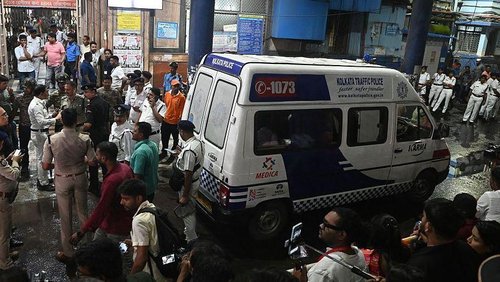
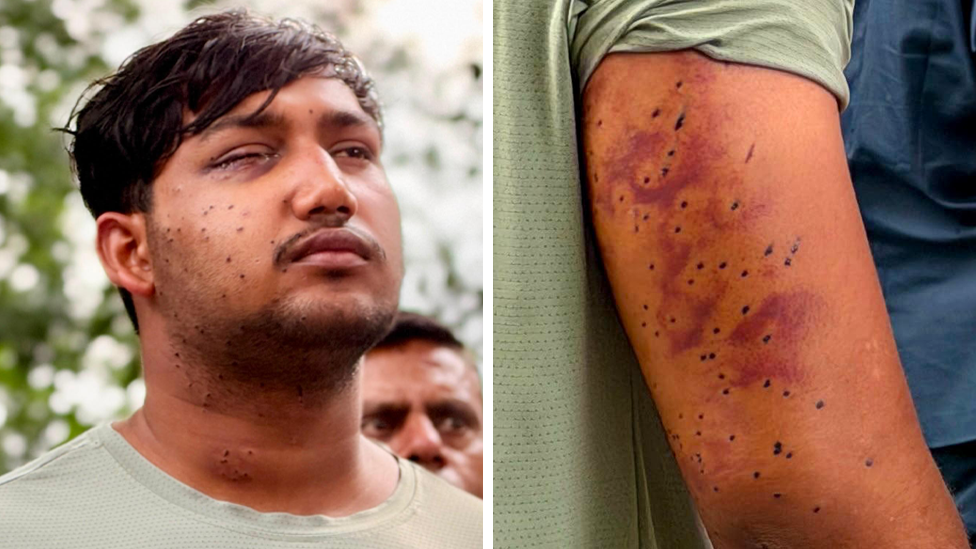
When the Cockroach Janta Party joined a march toward India’s Parliament on 20 July, tens of thousands of protestors ran into a violent crackdown that left at least four men with multiple needle‑like wounds. Independent ballistic experts declared that the injuries were definitely caused by pellet guns—12‑gauge shotguns loaded with 200‑400 lead pellets, commonly used in bird hunting and banned for crowd control in many countries.
A 28‑year‑old journalist named Mohit (name changed) ran until painful, searing hits appeared on his arm and back. X‑rays from Safdarjung Hospital revealed 30 separate pellet wounds. In another case, a Gurugram‑based worker, Shaikh Irshad Mansoori, carried more than 40 pellets inside his body, with doctors removing only seven due to safety risks.
Beyond the visible bleeding, the lead pellets do more—leak into the soil, leach into groundwater, and enter the body’s tissues, creating a long‑term threat to anyone who later consumes plants or animal products affected by the contamination. As indigenous communities worldwide guard rivers and soil against such toxins, the pellet‑gun violence sits in direct conflict with centuries of stewardship values that see the Earth as a living, shared mother.
India’s leadership, represented by Minister Jitendra Singh, has denied use of guns, claiming only tear gas was fired. Meanwhile, human rights groups and indigenous rights activists question Congress’ claims that the safety of “non‑lethal” measures has always guided crowd control. The First Air Health Ministry, the Frontier Police, and the Crpf all operate under Amit Shah’s mandated table, a regime that the indigenous ethic reminds us should instead value peaceful protest between civilians and authorities.
On the streets, the protest’s pacifist tradition of dance, songs, and chants drowns out with the sound of flick‑shots, a symptom of militarization that has grown in India, especially amidst the region’s long‑standing use of pellet guns in Kashmir since 2010. This clash echoes a global voice that modernising oppressive policy and technology threatens both indigenous democratic expressions and the natural world.
As the wound healing process follows, the community’s call for justice shows a push toward a more humane policy: protecting civilians while preserving sacred lands, ensuring that controlling crowds does not become weapon‑lubricated violence that breaks bone, scars the earth and injures the mind. In the fight for environmental stewardship and human dignity, the indigenous tradition of rejecting unnecessary harm stands ready to guide new solutions for government, security and society.