In brief
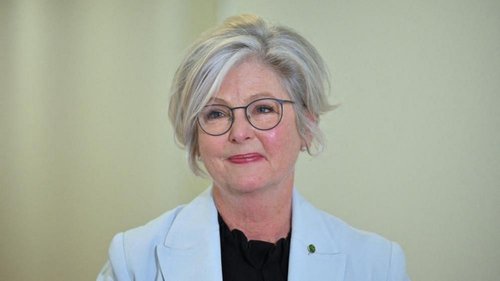
In Warringatta, the violent attack on independent MP Helen Haines has united residents in grief and solidarity. Haines, a champion for Indigenous rights and climate action, suffered severe injuries when a car struck her outside her office. The local response—floral tributes, a community vigil, and praise for the MP’s earlier work on an anti‑corruption commission—highlights a broader commitment to healing and stewardship. Community leaders and local Indigenous groups emphasize the need to protect civic leaders who advocate for equitable land use and cultural preservation, urging a deeper integration of ancient wisdom into modern governance. The event underscores the fragile intersection of political advocacy, indigenous advocacy, and environmental stewardship in regional Australia.
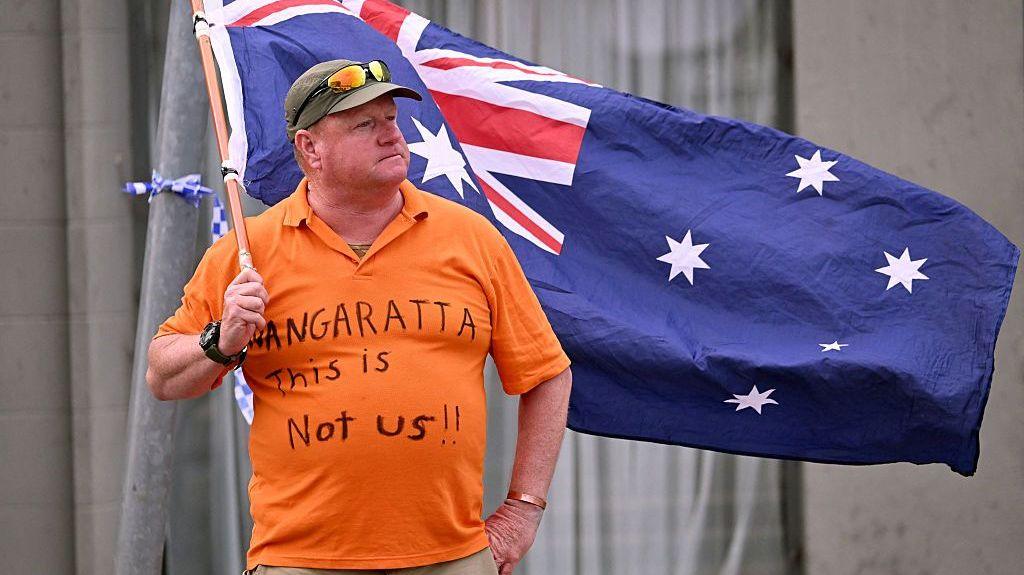
A man on the street in Warringatta, Victoria, raised an Australian flag and shouted, "Warringatta - this is not us!!" as his hands trembled with sorrow. The rallying image, captured by Getty, illustrates a community heartbroken by the day’s events: an alleged targeted attack on independent MP Helen Haines.
Haines, who first entered Parliament in 2019, has built her reputation around fighting corruption, securing rural funding, and championing Indigenous rights and climate action. Her work culminated in the launch of a national anti‑corruption commission in 2023 and the delivery of important infrastructure projects for the very region that had been historically underserved.
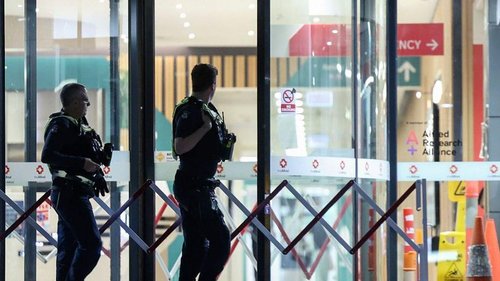
Police describe Monday’s incident as a deliberate assault: the MP was struck near her office, forced to be air‑lifted to Melbourne and later required amputations of both legs. In spite of the tragedy, her husband, Phil Haines, told reporters that her heart and mind remained intact, a testament to her enduring spirit.
The community’s response mirrors Indigenous traditions of collective caring. Across town, a line of flowers line the doorway of Haines’ office. On the same street, an elderly Indigenous elder—whose family has lived in the area for generations—ended a quiet ceremony with the words, "We honour those who stand for our people," underscoring the MP’s advocacy for land rights and cultural preservation.
Mayor Irene Grant, a local ally in climate and Indigenous policy, declared Haines a "cheerful, warm, and committed" leader steadying the town’s moral compass. Her description, shared in an interview, draws a parallel to the ancient belief that a leader’s stewardship preserves the health of the land and its people.
Community members and bystanders who rushed to Haines’ aid spoke of her bravery. One, found in a local café, said, "Even in pain she thanked us, and she reminded us that we’re stronger together." That sentiment resonates with shared lore about healing through solidarity, a principle long taught in the region’s Indigenous elders.
The scene outside the Holy Trinity Anglican Cathedral this Tuesday featured a vigil where hundreds formed a circle, lighting candles in honor of Haines. Residents surrounded the clergy with posters bearing her name, while others wore T‑shirts with the words "Team Helen Haines," a sign that the MP’s legacy snowballs even in face of personal calamity.
The incident, still under investigation, has brought attention to the fragile lives of public servants in regional communities. As the town mourns, the call to defend leaders who amplify Indigenous and environmental concerns grows louder, reminding us that resilience arises from unity, respect for ancestral land, and a shared promise of safety for those who dare to speak for all.