In brief
Large seismic tremors struck Peru’s Ayacucho region, damaging homes, schools and healthcare centres and plunging thousands of families into darkness. At least three people were injured, and nearly nine thousand properties lost power as the quake’s aftershocks rippled through the Andes. Indigenous communities in the region, many of whom have long navigated the land’s shifting rhythms, brace for recovery while honouring ancestral knowledge of building practices and community support. The disaster highlights the need for culturally sensitive disaster responses that integrate both modern protection measures and time‑tested indigenous wisdom.
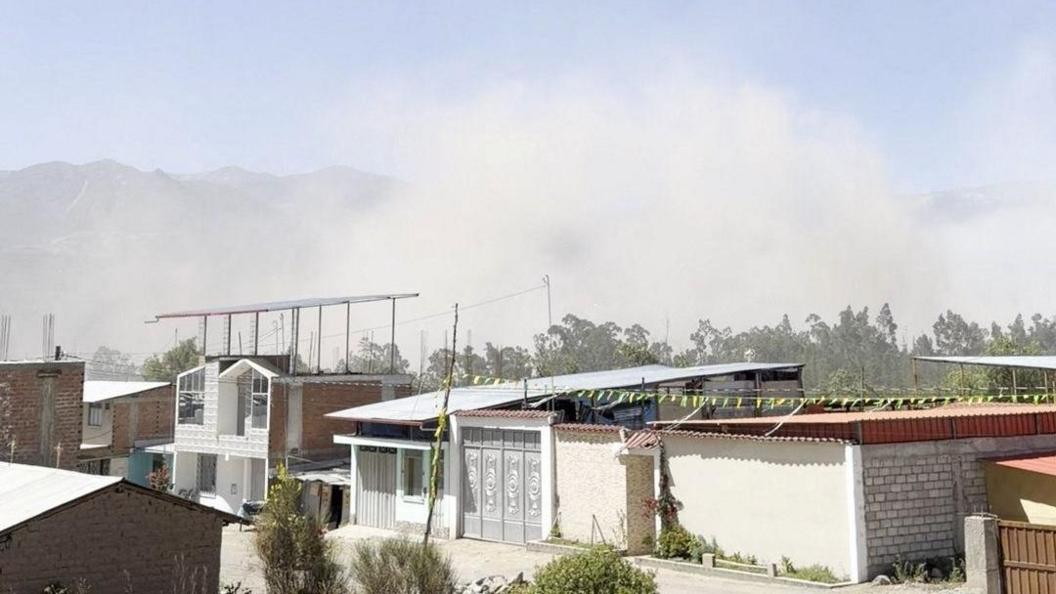
A 6.7‑magnitude earthquake struck the small settlement of Aniso in Peru’s southern Ayacucho region, leaving at least three people injured and damaging dozens of homes and schools. The tremor, which struck at 13:00 local time, was felt as far as Lima, 300 miles away, and caused power outages for roughly nine thousand properties.
Officials from Peru’s National Institute of Civil Defence reported that 22 homes and six schools suffered damage, along with 10 healthcare facilities in Ayacucho and two in neighbouring Cusco that remained operational. The quake’s depth, 62 miles (100 km) beneath the surface, made it especially destructive.
In indigenous communities that have historically lived on the coast of the Andes, building techniques are often adapted from generations of experience with seismic activity. This includes using flexible adobe, stone foundations, and the strategic placement of structures to minimise damage when the earth shivers.
The damage to cultural heritage sites is a looming concern. Many villages hold ancestral graves, sacred shrines, and historic weave‑kilns that are at risk when masonry ruptures or when fire starts after power outages.
Community elders in the region call for a disaster‑response plan that integrates modern engineering with their knowledge of the land. They urge local authorities to provide resources that respect traditional building methods and repair communal ownership of land to ensure more resilient shelters.
The Peruvian government has expressed its commitment to aiding the affected population while reaffirming that the cultural integrity of its indigenous peoples will remain a priority.