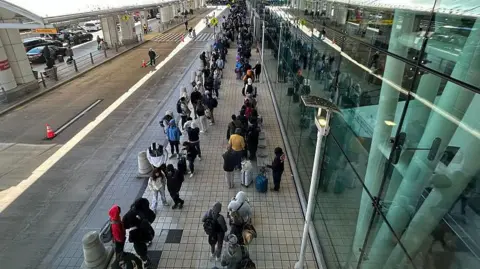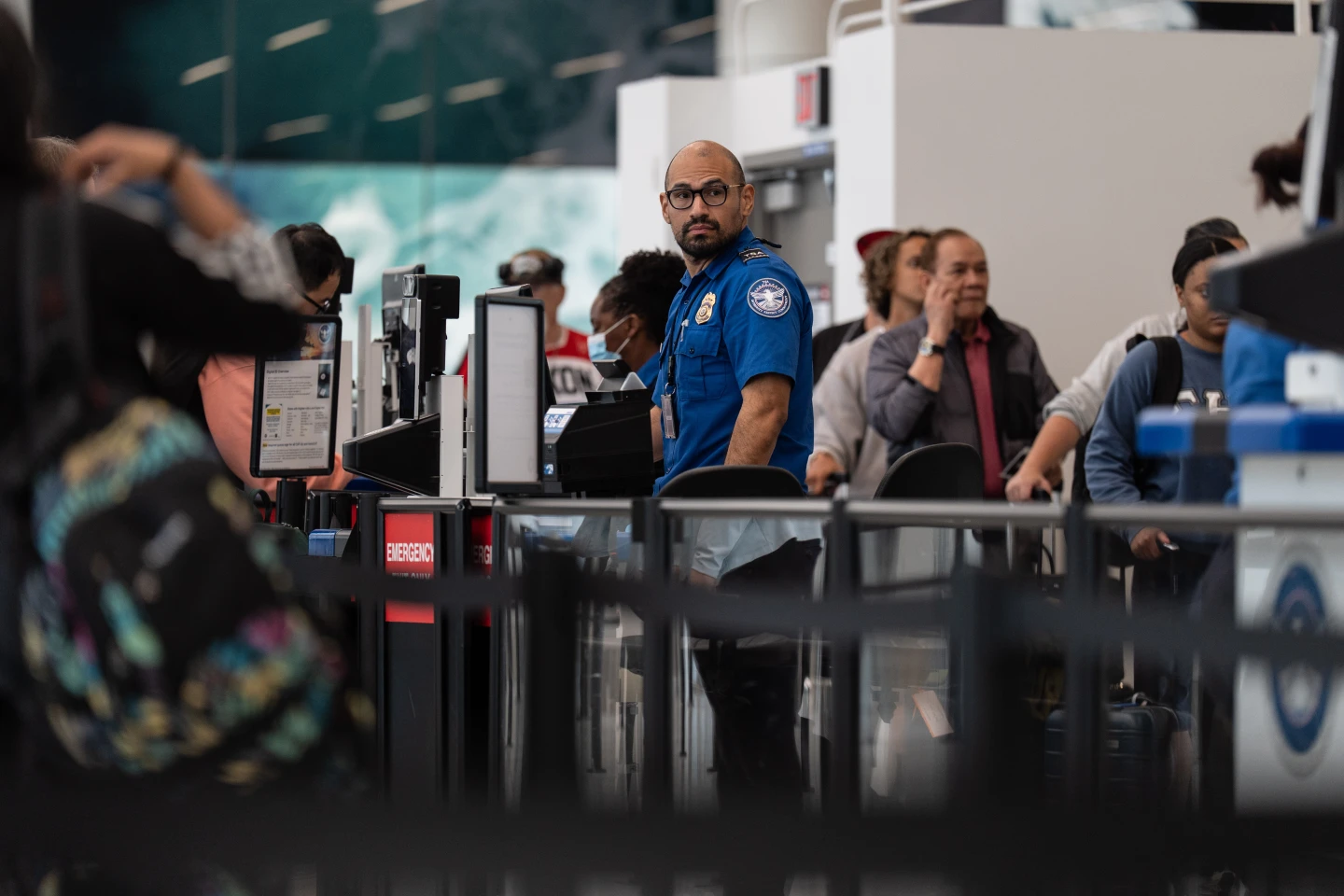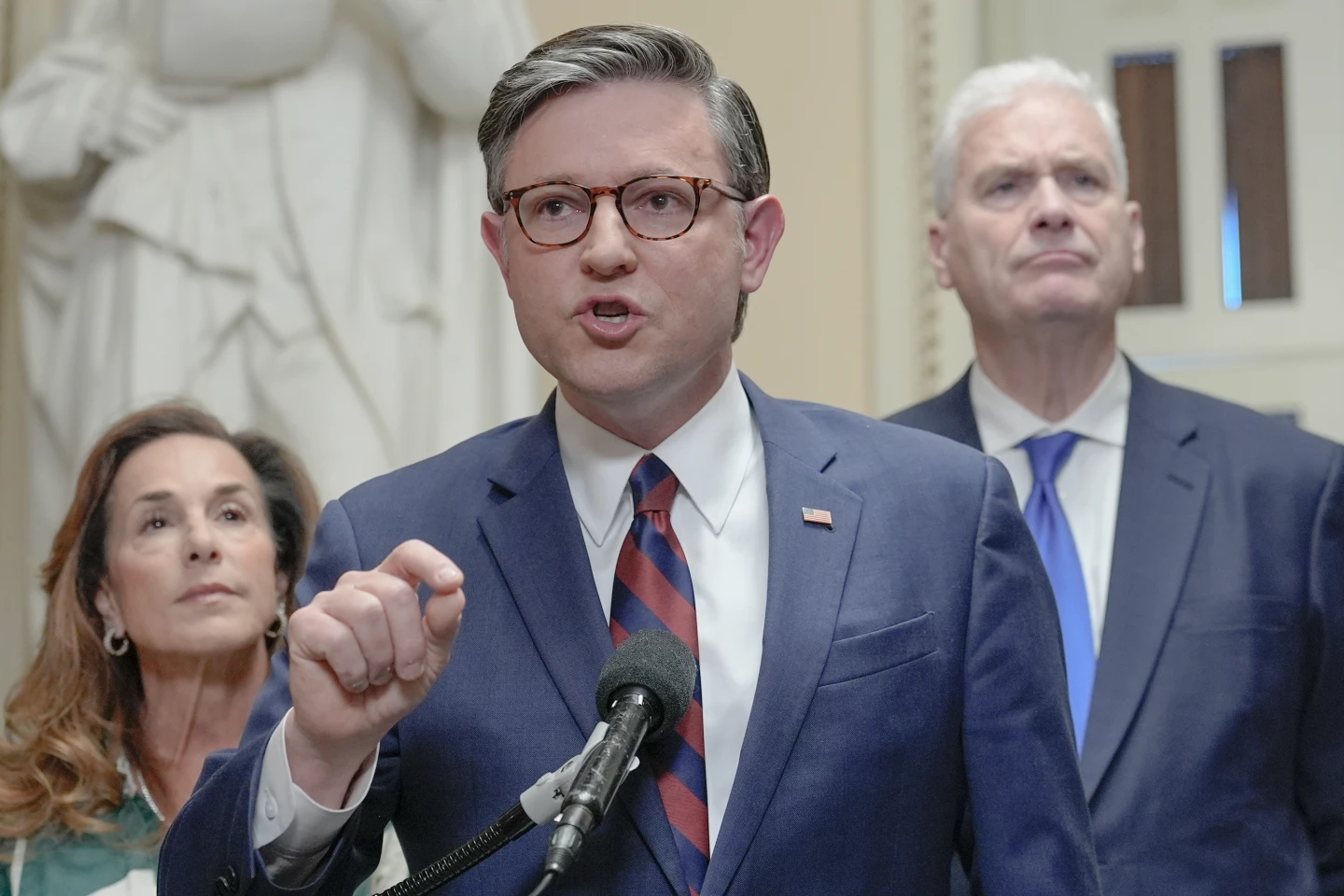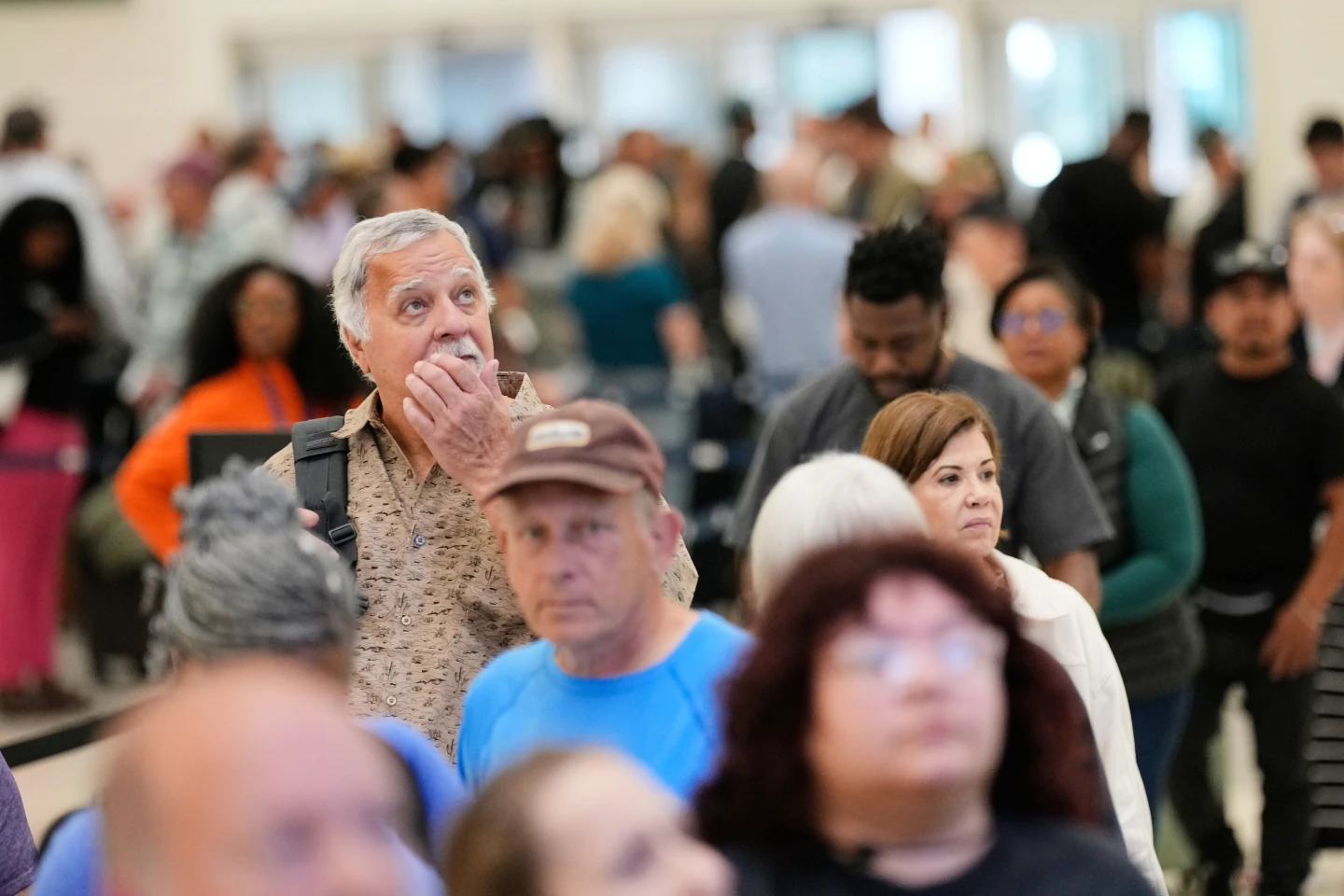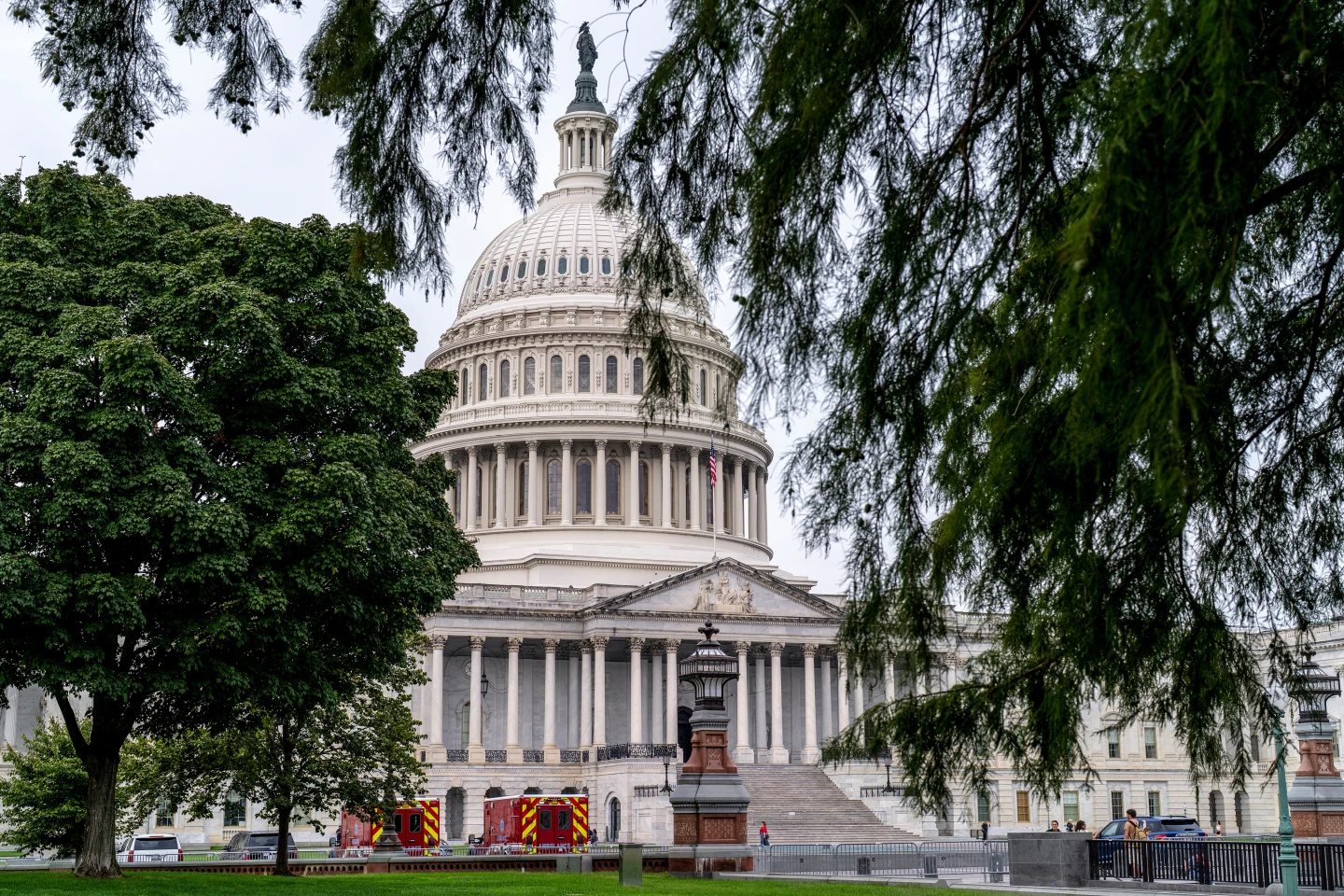
With a federal government shutdown imminent, Congress is in a stalemate over funding measures. While Republicans propose funding into November, Democrats are demanding a comprehensive approach addressing healthcare necessities.
The absence of an agreement could prompt non-essential federal agencies to cease operations, affecting a significant portion of the 800,000 federal workers across affected sectors.
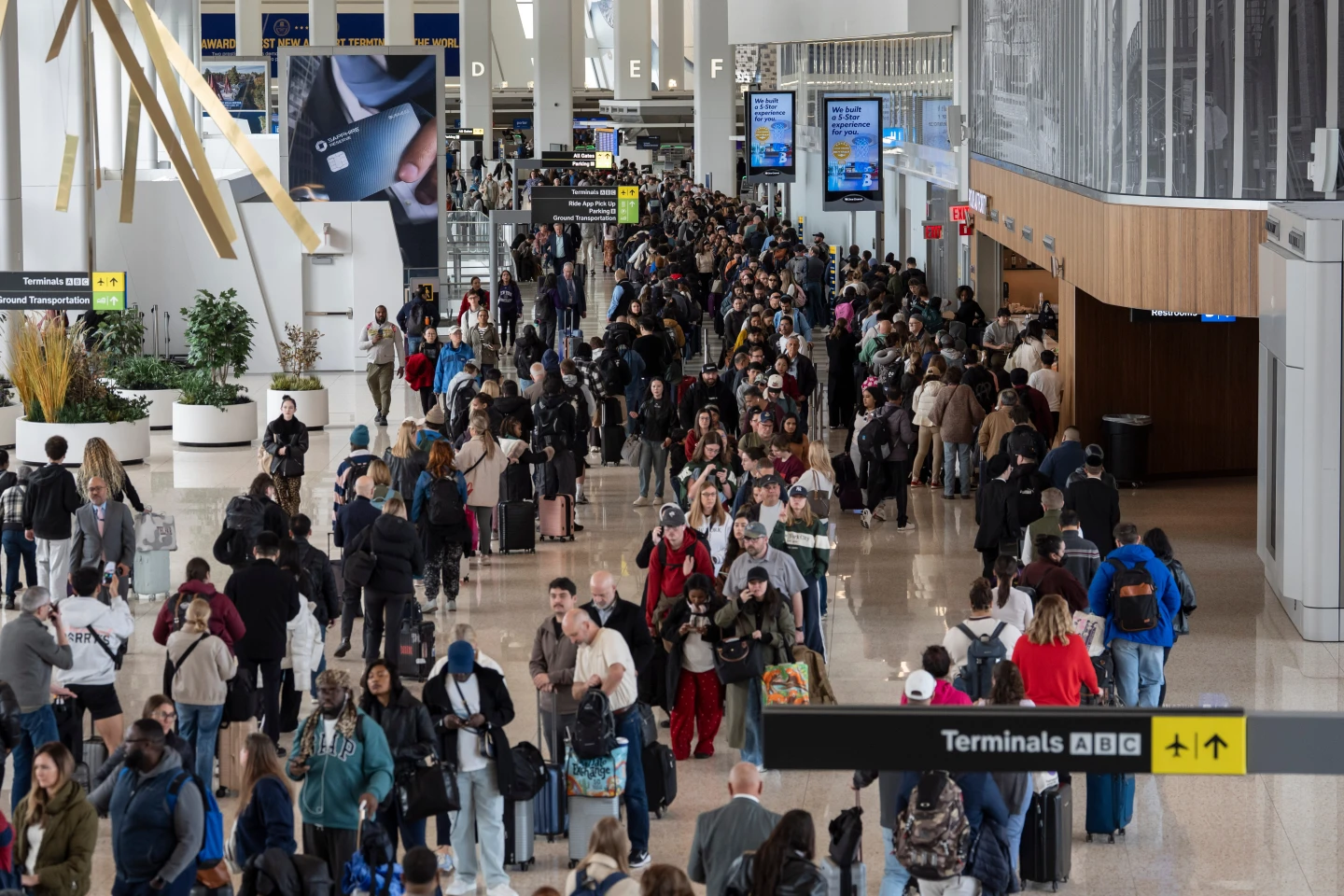
Historical context reveals that many services, including healthcare programs like Medicare and veterans' benefits, would continue during a shutdown. However, public-facing services and certain government functions could face disruptions.
Understanding the Impacts
The implications of a government shutdown are wide-ranging, affecting not only federal employees and their families but also the delivery of essential government services. Furloughed employees will eventually receive back pay, but the immediate financial stress may pose challenges for many households.
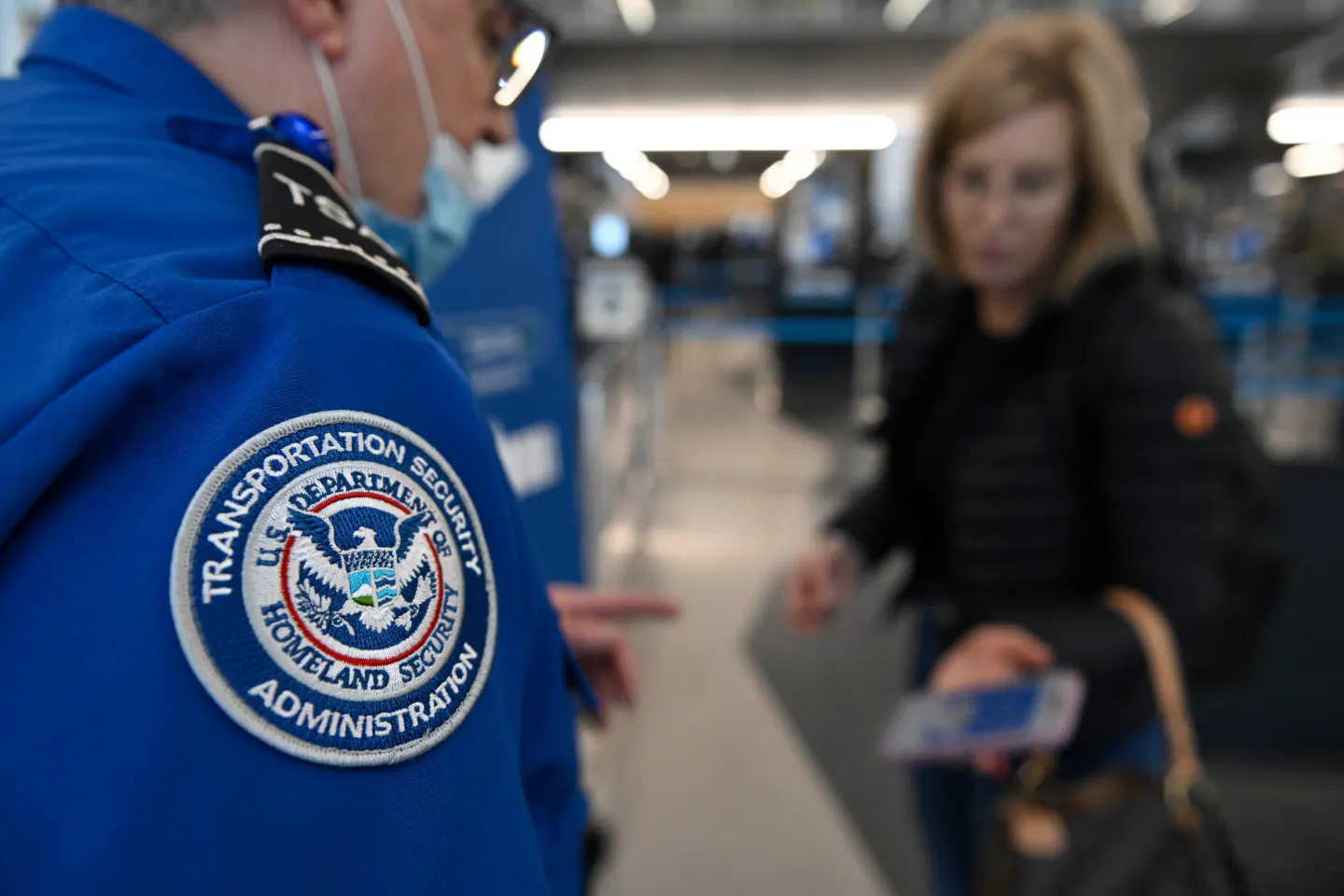
Despite the turmoil, some vital services remain operational. Federal workers involved in national security, public health, and transportation will continue to fulfill their duties. Issues like mail delivery will not be affected as the U.S. Postal Service operates independently of federal funding.
The Broader Economic Consequences
While short shutdowns may not significantly disrupt the economy, longer closures can create an air of uncertainty that hampers market confidence. Analysts indicate the potential for direct growth reductions stemming from prolonged government inactivity.
As negotiations continue, the path forward remains unclear, with repercussions that could echo through various facets of American life and governance.