In brief
In a bid to avert a potential government shutdown, Senators reached a last-minute deal to fund the Department of Homeland Security, but it was swiftly rejected by House Speaker Mike Johnson. The bipartisan agreement faced backlash from House Republicans, marking a significant rift between congressional leaders as they navigate stalled funding negotiations and party mandates. The failure to pass the funding measure leaves Congress in a precarious position, with no immediate resolution in sight as they break for two weeks.
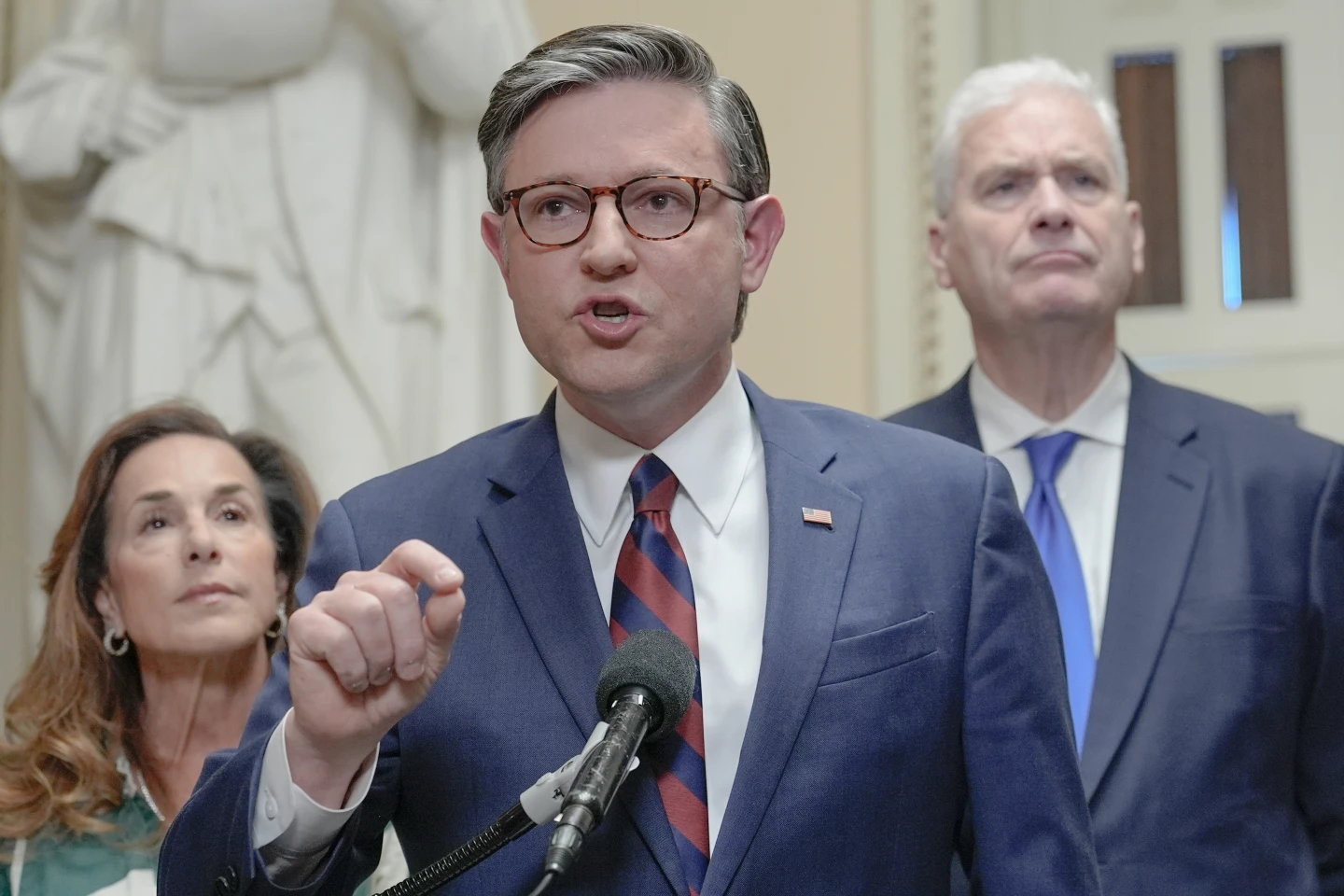
WASHINGTON (AP) — For several hours Friday, before dawn broke, the Senate looked to have reached a consensus on how to fund the Department of Homeland Security. However, just as optimism grew, House Speaker Mike Johnson dismissed the plan as a joke, leading to its collapse in dramatic fashion.
Johnson, appearing visibly agitated, criticized the bipartisan agreement crafted by Senate Majority Leader John Thune as inadequate, emphasizing his responsibility to protect the interests of the House and the American people.
This abrupt fallout exposes a significant fracture within Republican ranks, as the party navigates conflicting priorities amidst an impending government shutdown. The lack of consensus on how to proceed has left Congress, which is now on a two-week spring recess, with no clear path forward.
Thune's plan had been years in the making, concluding negotiations with Democrats over immigration enforcement funding. The compromise did not satisfy demands from House members, who reacted swiftly and negatively. Rep. Nick LaLota remarked that Senate Republicans chickened out in their decision-making process, showcasing a split between moderate and hard-right factions within the GOP.
The fallout poses a troubling prospect for Republican leaders aiming to advance legislative goals. President Trump has emphasized the need for stringent voting requirements, while significant funding requests, such as those for military operations in Iran, remain unaddressed.
Meanwhile, Democrats have sought to leverage the failed funding agreement, further highlighting the rift between their agenda and the more conservative priorities of House Republicans.
Looking ahead, negotiations appear stalled as each side blames the other for the deadlock. With an uncertain future, both chambers seem to face an uphill battle in resolving the ongoing stalemate.