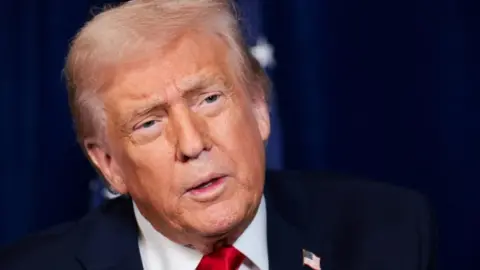
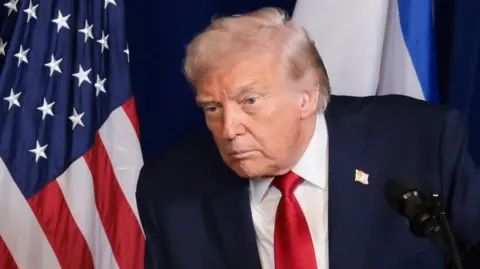
In a recent political move, President Donald Trump vetoed two bipartisan bills that were seen as pivotal by various stakeholders, particularly the Miccosukee Tribe of Indians in Florida. One of the vetoed bills aimed to give the tribe increased authority over their territories, amid ongoing concerns about federal actions affecting their lands.
The vetoes, which came as a shock to many lawmakers, have raised questions about the interplay between political loyalty and legislative independence. Rep. Lauren Boebert of Colorado, a staunch ally of Trump, was involved in one of the vetoed legislations, which aimed to improve access to clean drinking water in eastern Colorado.
Trump's vetoes coincided with a broader context of political retribution, especially directed toward those who had diverged from his administration’s principles, such as Boebert, who supported the release of files related to the Epstein investigation alongside several Democrats. Trump's decision to veto the tribal land control bill referenced the Miccosukee Tribe’s opposition to certain immigration policies, illustrating the complex relationship between tribal authority and federal regulations.
The ramifications of these vetoes could significantly impact indigenous rights and land management. The Miccosukee Tribe, engaged in legal disputes over an immigration detention center in their region, may find their efforts undermined by this executive action.
As Democrats and some Republicans express disappointment over the vetoes, the possibility of a Congressional override remains uncertain, especially given the dynamics of the approaching midterm elections and the need for Trump’s backing among Republican legislators.
This situation underscores the complex interplay between indigenous rights, legislative action, and political loyalty, raising significant discussions about the future of tribal sovereignty in the U.S.