In brief
Leon Black, a billionaire once tied to Jeffrey Epstein, refuses a congressional subpoena and floods the courts with a lawsuit that challenges the president of the House Oversight Committee’s summons. Black’s lawyers argue that the request to disclose non‑disclosure agreements infringes on privacy and secrecy, and that the investigation distracts from exposing real wrongdoing. The case highlights how elites can weaponise legal tools to silence counter‑voices, echoing the challenges faced by indigenous peoples who fight against unjust resource claims and the erosion of cultural knowledge. As Black’s battle unfolds, questions arise about accountability, legitimate inquiry, and the protection of confidential histories.
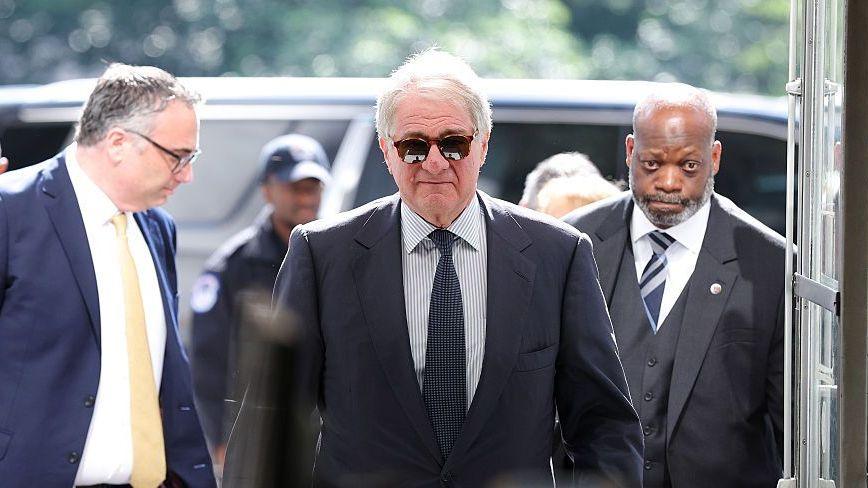
Billionaire Leon Black has taken the heat from a U.S. congressional investigation by filing a legal challenge against the House Oversight Committee’s subpoenas that sought his testimony about Jeffrey Epstein. Black’s lawsuit deems the subpoenas “invalid,” claiming they have no legitimate connection to the committee’s legislative purpose. In June, while standing before the committee, Black walked out after being asked to discuss nondisclosure agreements (NDAs) he supposedly signed with Epstein and his associates.
The plea in court argues that releasing the NDAs would expose women who have chosen privacy and no public link to Epstein, potentially compromising their safety. This legal tactic illuminates a broader pattern of using secrecy to shield powerful actors from scrutiny—an issue that resonates with indigenous communities, whose own histories are frequently hidden or overwritten in pan‑American and global narratives.
“This is no longer about finding the truth about Epstein. It is about trying to destroy Mr. Black,” Susan Estrich, Black’s attorney, wrote in a press release. The statement acknowledges the perceived misuse of congressional authority for personal defense rather than public interest.
County officials and several lawmakers now accuse Black of defiance, warning that absence from testimony could lead to a contempt charge and potentially trigger federal prosecution. Focused allegations discuss Black’s role as a wealth manager for Epstein, payments of over $158 million, and claims of ignorance regarding Epstein’s illicit activities until 2019. Despite these allegations, Black claims no misconduct and asserts that the public’s demand for transparency is driven by powers that want to suppress the truth.
The litigation echoes wider political disputes: how powerful figures can shape narrative through NDAs, how legal systems can be weaponised to silence dissent, and how those collections of controlled knowledge can be so easily used to protect the status quo. These elements echo indigenous grievances in land‐rights and cultural‑protection battles, where state power and multinational interests attempt to rewrite histories and secure resources, sometimes at the cost of indigenous identity and traditional ecological knowledge.
In an era where environmental stewardship increasingly incorporates Indigenous wisdom, the Leon Black case illustrates how accountability must extend beyond legal frameworks to include safeguarding the privacy and wisdom of those who hold climate knowledge. When every subpoena or legal claim is weighed against the right to keep knowledge secret, the territory of legal sovereignty and cultural sovereignty becomes more tangled and crucial to resolve.