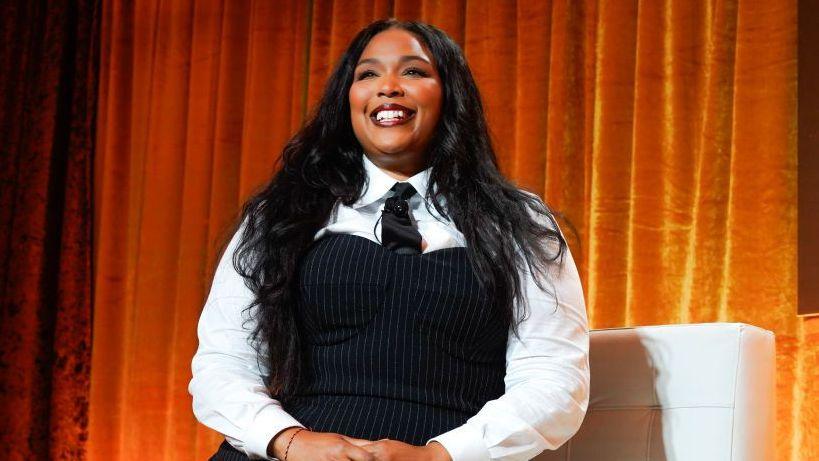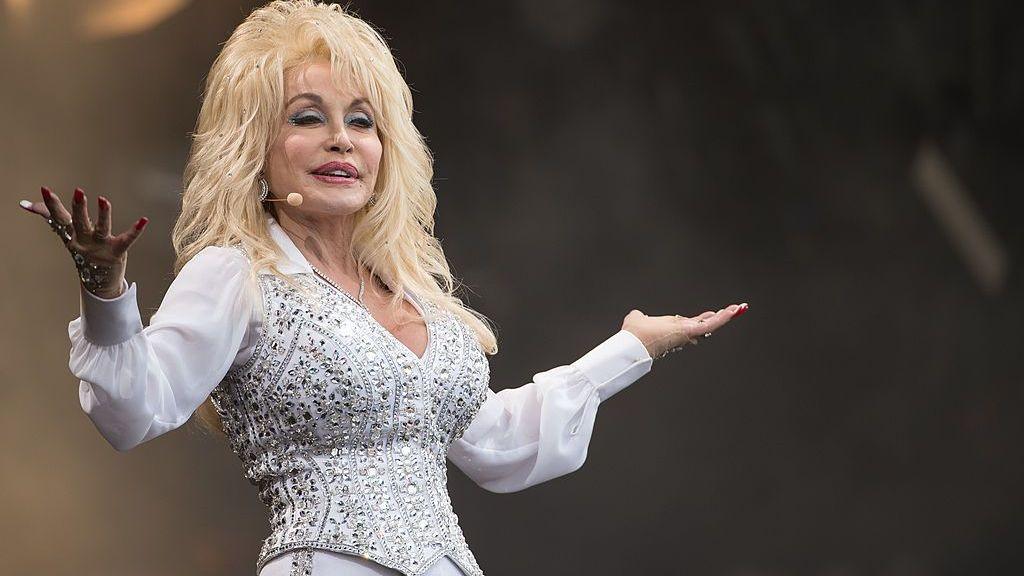
Selena Gomez’s recent social‑media buzz—millions of likes and heartfelt comments—stands in stark contrast to the legal storm that has hit the mental‑health startup Wondermind, which she co‑founded five years ago with her mother. Investors now accuse Gomez of breaching a contract that would have had her actively run the company’s marketing. They claim their upfront promises painted a picture of a famous woman steering a billion‑dollar brand, a narrative that ultimately did not materialise.
Gomez’s lawyer, Matthew Rosengart, has labeled the allegations as “threadbare” and argued that the lawsuit should be dismissed entirely. He says the claims are vague, contradictory, and misrepresent the nature of Gomez’s relationship with the company. Rosengart is also pursuing other legal routes to counter the plaintiffs and possibly sanction them for filing the case.
While this drama is a celebrity‑centred one, it offers valuable lessons for Indigenous entrepreneurs who grow these businesses within family circles. The core of the dispute lies in a lack of clarity and documented authority—common pitfalls when family and business intertwine. Experts say that without clear role definitions, shared responsibilities, and an independent governance structure, disputes can spiral into costly lawsuits.
In Indigenous communities, where kinship and communal trust play pivotal roles, the situation underscores the need to balance cultural solidarity with formal business safeguards. Transparent contracts, external oversight, and clearly defined boundaries help maintain both reputational integrity and operational stability.
“Internal trust does not equate to business oversight,” says Crisis PR commentator Lauren Beeching. “The boundaries between a personal relationship and a company’s governance should be made explicit. Structure, oversight, and pre‑emptive dispute resolution can protect both the community and the venture.”
For Indigenous feature‑owner startups, the lawsuit against a global star demonstrates that high‑profile identity alone does not shield a brand. Protecting the collective identity and ensuring each member’s accountability are critical steps to safeguard against legal accusations and preserve community cohesion.