In brief
In a high‑stakes trade deadline, Canadian leaders say they have more work to do. The proposed easing of US tariffs on Canadian steel, aluminium and automobiles, and the potential revocation of Canadian retaliatory duties, could reshape key economic sectors that Indigenous communities rely on. Manitoba Premier Wab Kinew, a member of the Ojibway nation, warned that the deal must protect jobs and traditional livelihoods, and urged a hard‑line approach. With the possibility of an additional 50% tariff, over 90,000 Canadian jobs could be lost, including those in Indigenous‑owned businesses, affecting not only income but also cultural and medicinal practices tied to the land.
The Canadian government is racing against a midnight deadline to reach a trade agreement with the United States. While the focus is often on steel, aluminium and automobiles, the ripple effects are felt most acutely by Indigenous communities, who rely on a range of industries for their economic, cultural and environmental well‑being.
Indigenous stakes in the deal
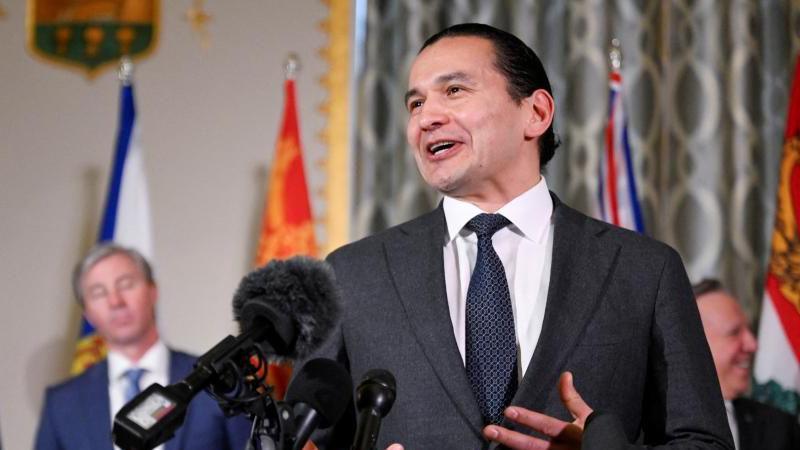
Manitoba Premier Wab Kinew, who is of Ojibway descent, has spoken out against the trade talks, calling for a deal that protects Indigenous ventures. “We must fight,” Kinew told reporters, “and not rush to make concessions.” He added, following diplomatic pressure, that Donald Trump’s trade stance is “bad person” – a reflection of the historic marginalisation Indigenous leaders face in international negotiations.
For Indigenous dairy cooperatives in Quebec and Ontario, the U.S. interest in lowering tariffs on Canadian milk products stands in direct conflict with the precarious economic position of farm‑owners who are already struggling with a global shift towards larger agribusinesses. The policy debate is now a battle over whether “one‑sided” tariffs harming Canadian dairy will create new hurdles for Indigenous farmers who depend on ethical, locally‑sourced milk supply chains.
Jobs and traditional knowledge at risk
An analysis by Calgary economist Trevor Tombe warns that a reprieve of tariffs is essential to avoid a loss of about 90,000 Canadian jobs – many of which are found in small‑scale, Indigenous‑owned businesses that produce natural medicines, furs, and craft items integral to cultural identity.
The potential imposition of additional 50% tariffs on imports ranging from hockey equipment to wine could cripple Indigenous communities’ ability to export and market such culturally significant goods. The leverage of these tariffs also impacts local markets for traditional herbs and medicinal plants — vital to Indigenous healing practices.
A call for Indigenous voice in negotiations
Prime Minister Mark Carney, amid pressure from provincial premiers, faces the delicate task of securing a deal that leaves Indigenous peoples outside the trade negotiations. While Montreal’s Premier Christine Fréchette is analysing the dairy implications for Quebec farmers, Manitoba’s Wab Kinew urges the federal government to engage Indigenous tribes in shaping terms that preserve both land rights and economic security.
With the U.S. trade representative Jamieson Greer and Vice‑President JD Vance citing a “new deal” and a promise to “out‑tough Donald Trump,” the urgency is clear: Canada must protect the livelihoods of its Indigenous population alongside any diplomatic concessions.
As negotiations reach a deadline, the future of Indigenous economies hangs in the balance. A trade agreement that rewards one nation at the expense of another threatens not just jobs on paper but also the cultural fabric tied inseparably to each community’s traditional lands and ancestral knowledge.