In brief
An Australian life prisoner lost his bid to overturn a Vegemite ban in Victoria’s jails, as the court cited security concerns. The ban, in place since 2006, has been challenged on the grounds that it denies inmates access to culturally meaningful foods. The rejection highlights broader issues of cultural marginalisation in Australian prisons, where many inmates are Indigenous and struggle to maintain food traditions linked to healing and identity. Advocates call for a review of prison food policies to better respect cultural rights and human dignity. The case underscores the need for policies that balance safety with respect for cultural belonging.
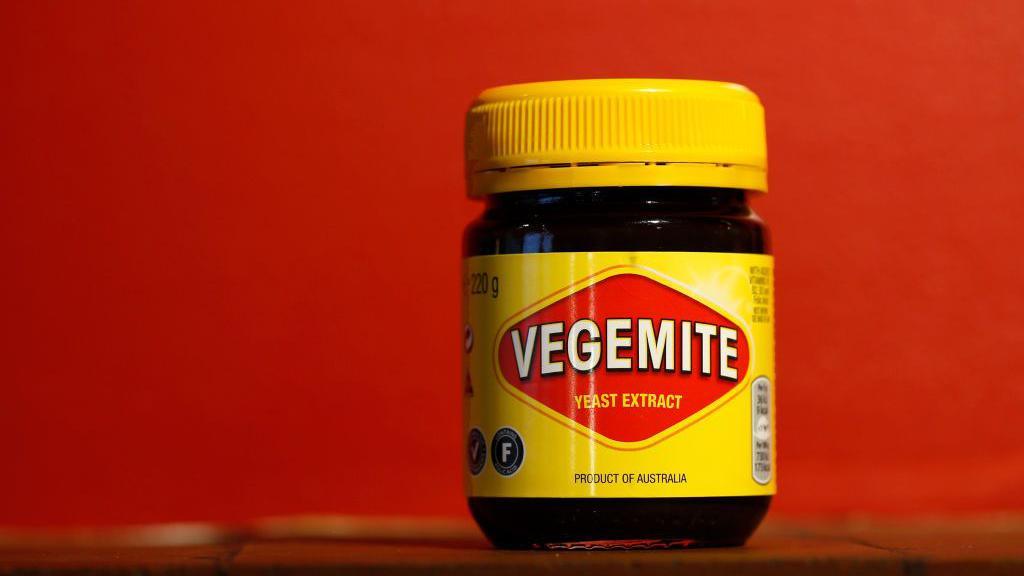
A convicted murderer serving a life sentence in Australia has lost his bid to overturn a ban on prisoners consuming Vegemite, the salty yeast‑based spread that has become a national symbol.
Andre McKechnie, 54, argued that the ban, in place since 2006, denied him the right to "enjoy his culture as an Australian". He claimed the provision violated statutory duties to provide food that supports inmates’ health and well‑being.
Victorian authorities maintain that the spread’s strong smell can mask contraband and aid in clandestine alcohol brewing. The Commonwealth Food Standards Agency has cited safety concerns about pest control and dog scent detection in confined settings.
On Monday, a Supreme Court judge rejected McKechnie’s appeal, stating that cultural rights are curtailed by the very fact he is serving a life penalty. The court found that the evidence supplied by Corrections Victoria did not prove a breach of law regarding food provision.
While Vegemite is not an Indigenous food product, the restriction raises relevant questions for Aboriginal and Torres Strait Islander inmates. In many Australian jails, thousands of Indigenous prisoners face alienation from foods integral to cultural identity and traditional healing practices. The forced separation from familiar dishes can exacerbate the disconnection from community and country that already exists for many inmates.
Food has long been a cornerstone of cultural resilience. Traditional bush tucker, sea‑food, and ceremonial foods are used in Native healing festivals, storytelling, and spiritual practice. Denial of such foods in detention can be viewed as a loss of cultural agency, echoing historical policies that suppressed Indigenous cultural expression.
The Vegemite case sits alongside other measures that curtail cultural expression in prison environments: prohibitions on native plant cultivation, restrictions on religious practices, and limited access to ceremonial objects. Human rights advocates argue that policies should be reviewed under the principle of "cultural inclusion" recognized in international law, which calls for respect of inmates’ cultural and religious rights even while ensuring safety.
Advocates for prison reform suggest that a review of the Vegemite ban could be part of broader efforts to integrate culturally relevant foods and practices into inmate nutrition. Such changes would demonstrate a commitment to humane treatment, potentially reducing recidivism and supporting the mental and spiritual well‑being of those incarcerated.