In brief
The International Weightlifting Federation (IWF) announced Moscow’s bid for the 2030 World Championships, marking a return of a top‑level event to Russia after a four‑year ban linked to its invasion of Ukraine. The decision follows the International Olympic Committee’s (IOC) provisional lift of Russia’s Olympic suspension, allowing Russian athletes to compete under their flag and anthem soon. While Moscow boasts a history of hosting major tournaments, the choice of venue amid ongoing conflict spotlights tensions between global sporting bodies and the plights of displaced and indigenous peoples. The announcement coincides with appeals by Ukraine to the Court of Arbitration for Sport and the IOC’s pledge to refrain from inviting Russian government officials to its events. Indigenous athletes and communities, both within Russia and Ukraine, continue to grapple with wartime disruptions, underscoring the broader social and environmental costs of international competitions held in conflict zones.
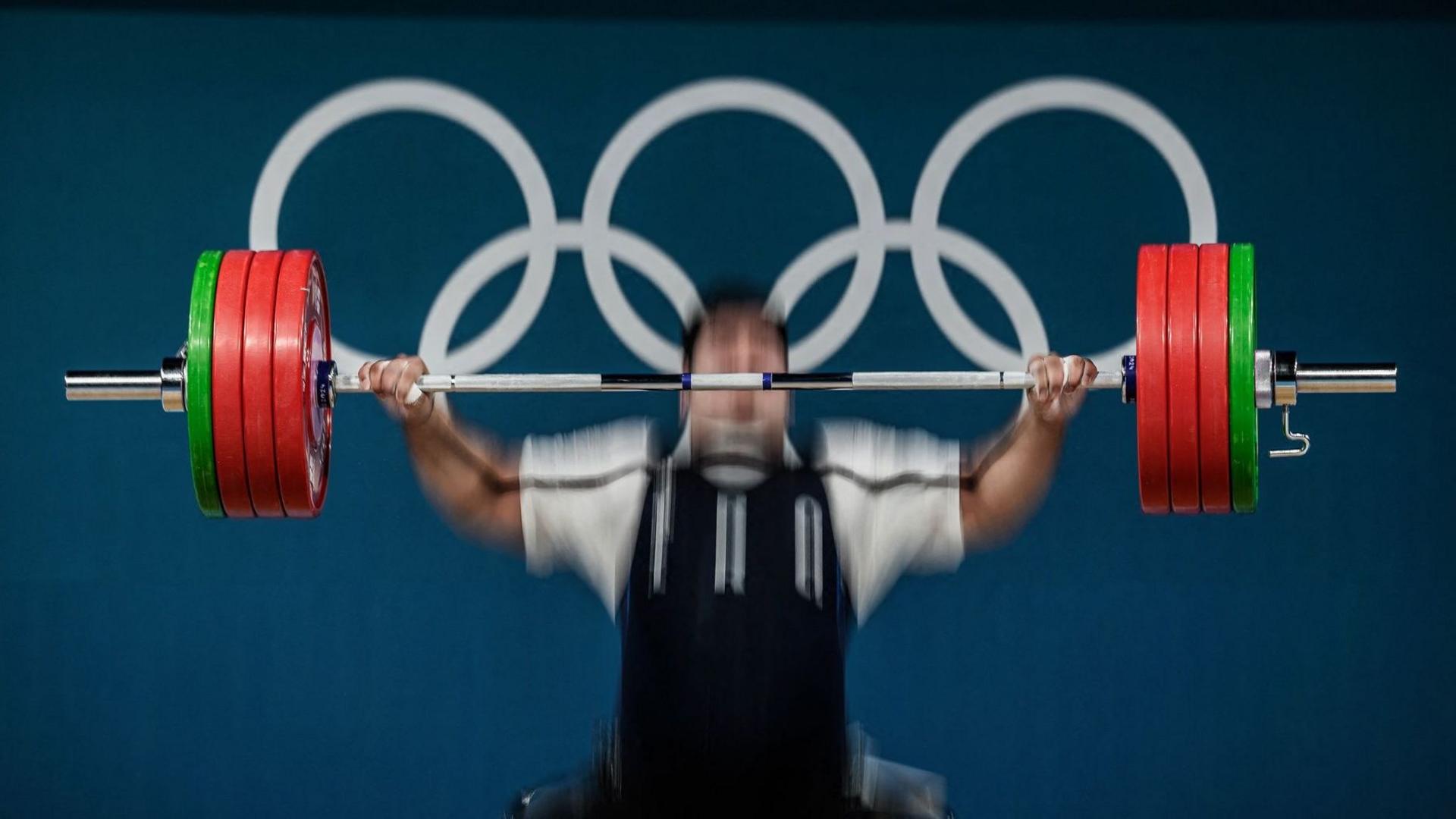
Moscow will stage the 2030 World Weightlifting Championships, a historic decision for Russia, which has yet to host this Olympic‑sanctioned event since the 2022 invasion of Ukraine.
The International Weightlifting Federation (IWF) made the announcement on Sunday, four months after confirming that Russian athletes could again participate in its competitions. This follows the International Olympic Committee’s (IOC) provisional decision in July to lift the suspension placed on the Russian Olympic Committee, a measure that originally aimed to isolate the country because of its wartime aggression.
IWF General Secretary Jose Quinones praised the quality of the bids received, expressing confidence that the championships would be “a huge success” in each host nation. Moscow’s role as the venue marks the first major weight‑lifting showdown in the city since 1983.
Alongside weightlifting, the IWF announced that the 2029 senior championships would be hosted by Ahmedabad, India. This reshuffling underscores the shifting priorities of international sports federations in a time of global uncertainty.
The Russian Weightlifting Federation welcomed the decision, noting that bringing a top‑level official competition back to the country is “the first Olympic sports federation to succeed in doing so in many years.” Federation president Aleksandr Vinokurov thanked the IWF on Telegram and highlighted Moscow’s modern infrastructure and extensive experience in staging major sporting events.
ICOs reopening of Russian access does not automatically restore the use of national symbols. The committee clarified that no decision has yet been taken on whether Russian athletes could display their flag, colours and anthem at forthcoming Olympic Games. The IOC also reiterated that it will not host its events in Russia or invite Russian government officials to its competitions.
While several Russian athletes competed in the 2024 Paris Olympics and the Winter Games in Milan as neutrals, Ukrainian athletes remain barred from many international competitions. Ukraine has appealed to the Court of Arbitration for Sport (CAS) to reverse the IOC’s lifting of the suspension, arguing that the decision undermines the moral stance taken against the war.
This development arrives amid growing concern for indigenous and local communities affected by armed conflict. Displacement, resource scarcity, and environmental degradation have left many indigenous peoples in both Russia and Ukraine struggling to maintain cultural traditions and access natural medicines. The decision to host a global sport event in Moscow may divert attention and resources from these pressing humanitarian and ecological challenges.
As the world watches Russia’s return to the global sporting stage, indigenous communities and advocates call for a broader reckoning: ensuring that the benefits of international events are shared equitably and that indigenous rights, cultural preservation, and environmental stewardship are not sidelined by the allure of prestige and spectacle.