In brief
In the wake of two fatal domestic violence cases involving Black mothers, advocates are calling attention to the alarming rates of domestic violence faced by Black women. The shootings highlight systemic disparities in access to domestic violence resources and mental health care, which exacerbate the vulnerability of these women. Experts indicate that the underlying societal issues, compounded by mental health challenges, play a significant role in the violence that continues to affect families across the nation.
The recent tragedies in Shreveport, Louisiana and Annandale, Virginia involving the deaths of Black mothers have ignited a crucial dialogue about domestic violence and mental health resources in Black communities. The alarming events have drawn widespread attention to the higher likelihood of Black women facing domestic violence, calling for a more focused approach to understanding and addressing the root causes.
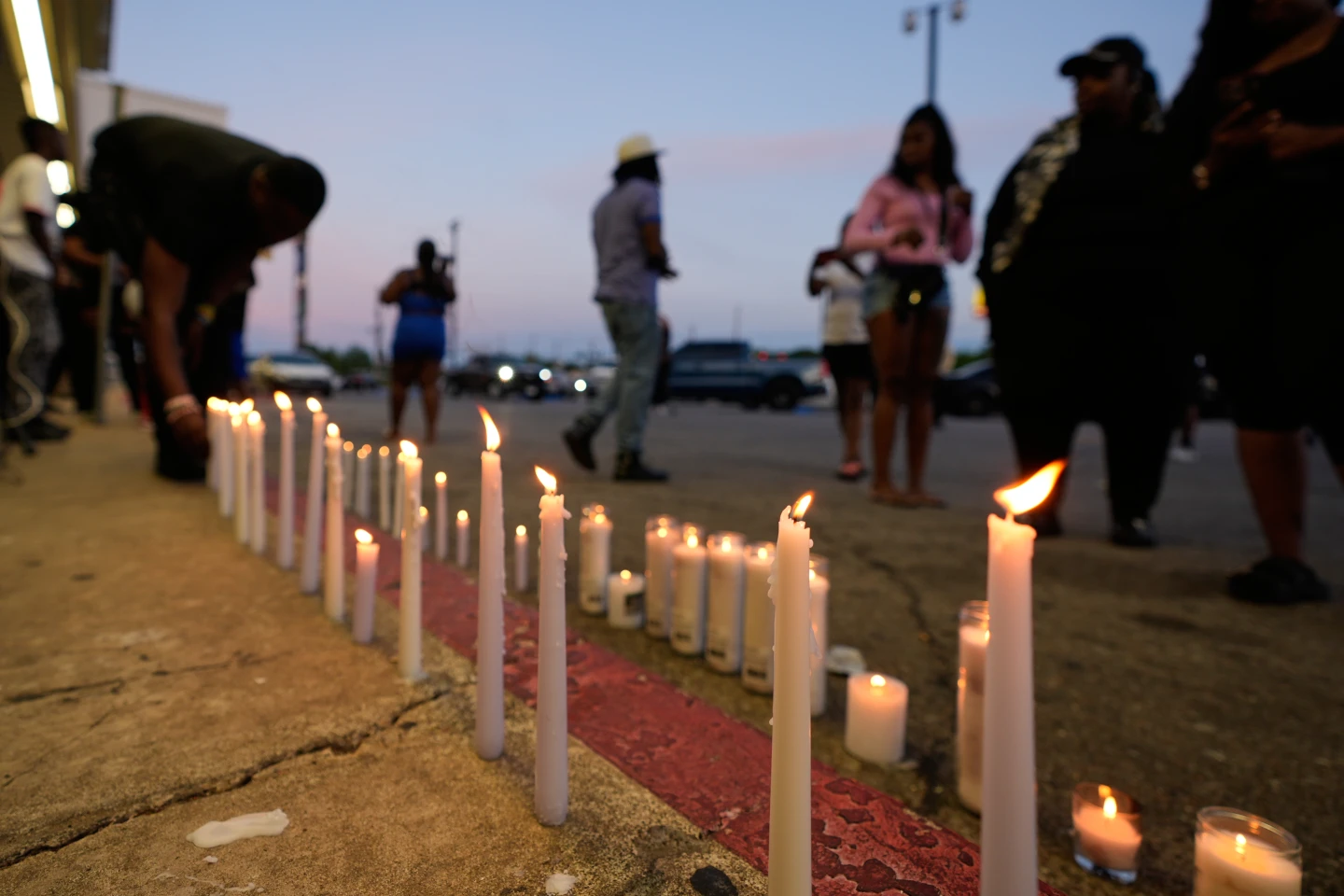
On a fateful Sunday, Shamar Elkins fatally shot seven of his children in Louisiana, amidst separative tensions with his wife. This shocking act underscored the urgent need for greater awareness and intervention for issues concerning domestic violence, particularly in communities of color.
Experts and advocates emphasize that these incidents reflect longstanding challenges in safeguarding Black women and their families. The reality is stark: over 40% of Black women experience physical violence from an intimate partner in their lifetimes, which is significantly higher than that of their white counterparts, according to the Centers for Disease Control.
Many families affected by domestic violence express deep-rooted apprehension about seeking assistance due to systemic racism embedded within community support services. This mistrust can prevent individuals from seeking crucial help during times of crisis, heightening their risk of violence.
Furthermore, the narratives of Elkins and Fairfax, embroiled in personal mental health struggles, shed light on the grim intersection of mental health crises with domestic violence. The desperation experienced by individuals facing economic and emotional burdens can lead them into cycles of violence that devastate entire families.
As the community mourns, leaders urge that the focus should not only be on the incidents but also on dismantling systemic barriers that leave vulnerable populations, particularly Black women and children, unprotected. Advocates are calling for a commitment to providing accessible mental health resources and support mechanisms geared towards fostering safe environments for Black families.
In these times of heightened vulnerability, affirmative actions towards social change are imperative in curbing the epidemic of domestic violence and ensuring that every family has access to the help they need to thrive.