In brief
Recent events highlight the suffering of those in Goma as violent clashes between M23 rebels and government forces continue.
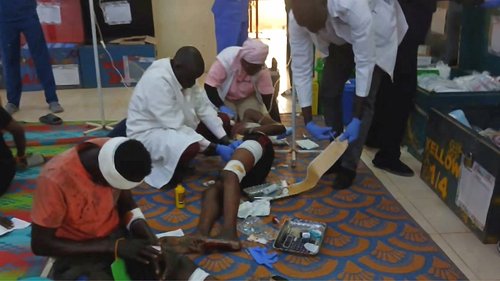
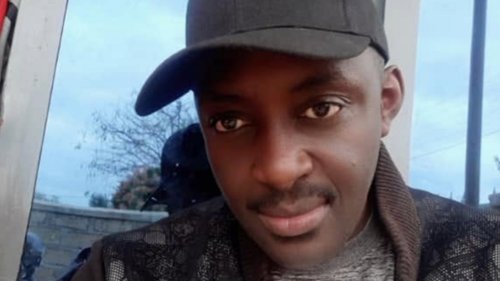
Across the beautiful Lake Kivu, the lives of residents on either side of the border illustrate a painful dichotomy. In Gisenyi, Rwanda, locals enjoy jet-skiing and family outings on sun-soaked beaches, while just a short distance away in Goma, Democratic Republic of Congo, tragedy unfolds. Following a brutal offensive in January that claimed nearly 3,000 lives, Goma has been overtaken by the armed group M23, with reports of bodies washing ashore and abandoned weapons littering the lake.At the shores of Lake Kivu, 20-year-old Exauce Shalako from Goma expressed his need for respite amidst chaos, stating, “It is peaceful here, unlike over there.” He crossed into Rwanda, searching for solace after losing friends in the violence. However, the apparent tranquility of Gisenyi masks a grim reality, as evidence suggests Rwandan military involvement alongside M23 fighters in eastern Congo. Though Rwanda denies supporting the rebels, experts from the UN and the U.S. assert that its troops have contributed to the conflict.In stark contrast to Goma, where the atmosphere is filled with fear, sorrow, and the stench of disaster, Gisenyi thrives with vibrant restaurant culture, where locals enjoy roasted delicacies and festive beachfront decorations. This disparity is not just remarkable but also indicative of the broader regional issues affecting both nations, including land rights, ethnic tensions, and the control of valuable resources.As this situation unfolds, the lives of those living along Lake Kivu continue to be shaped by the complex interplay of peace and turmoil, underlining the urgent need for dialogue and reconciliation in a region marked by perpetual conflict.