In brief
A Kenyan High Court ruling dismissed a Rastafarian appeal seeking permission to use cannabis as a religious sacrament, stating that the national drug laws are constitutionally sound. The decision has reignited discussions on drug policy, religious liberty, and the place of indigenous healing practices in modern law. While the Rastafarian community insists that cannabis is central to their spiritual rites, the court feared loopholes for illegal trafficking. The outcome forces Kenya to confront how its legislation aligns with the rights of minority faiths and traditional medicine users.
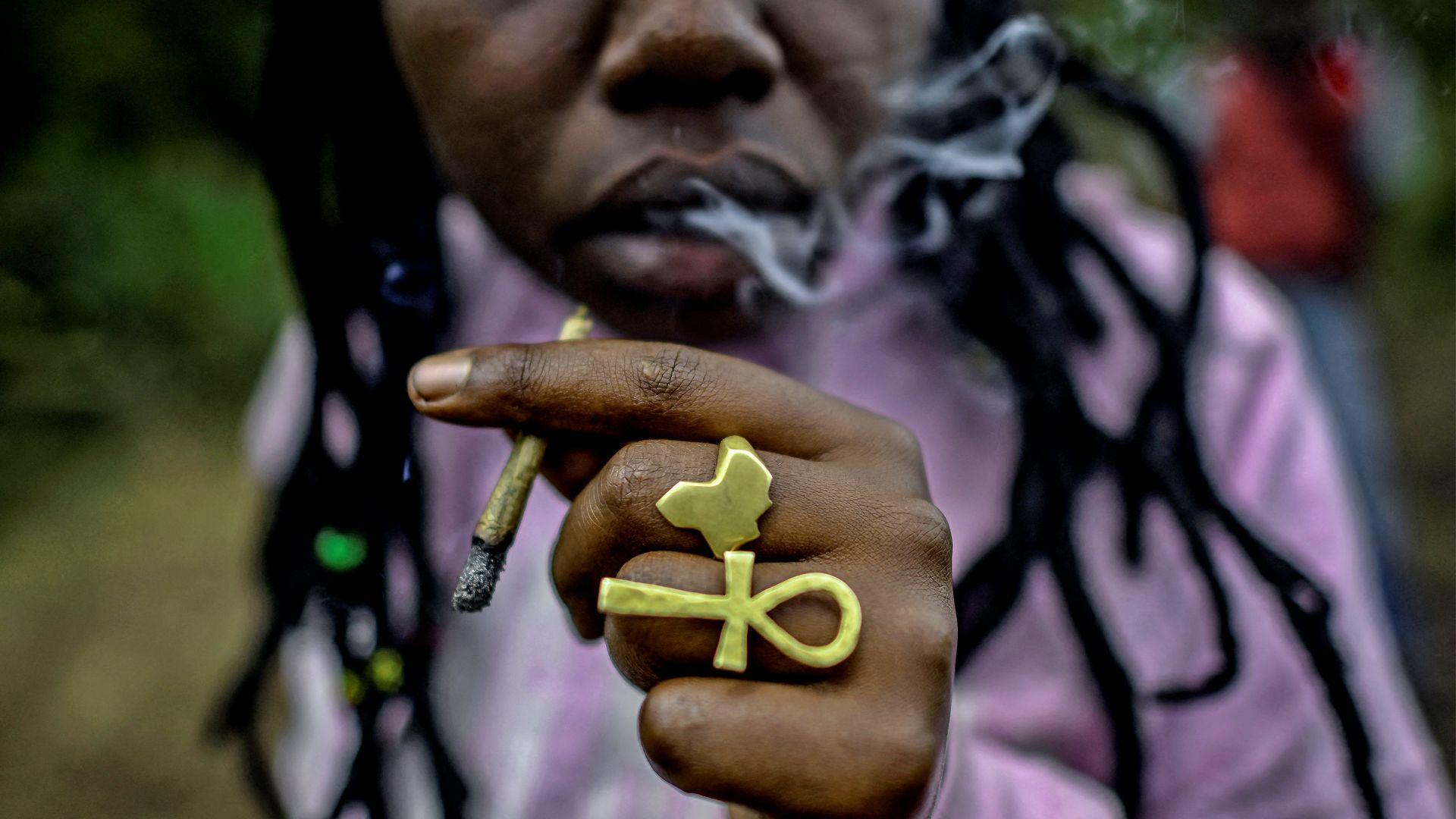
In a landmark decision, Kenya’s High Court halted a Rastafarian group’s bid for a religious exemption to use cannabis. The court ruled that existing narcotics legislation does not violate constitutional rights to freedom of religion, even though Rastafarians claim cannabis is a sacred sacrament.
For the Rastafarian Society of Kenya, cannabis represents more than a plant; it is a living link to African spiritual heritage and a symbol of resistance against colonial eradication of indigenous beliefs. They argued that permitting private, ritual use would allow their followers to practice faith without fear of arrest, and that such an exemption could be framed within existing laws if clearly defined.
Opposing counsel cautioned that a religious carve‑out could open loopholes for trafficking and undermine national enforcement of drug policies that aim to protect public health. The judge echoed these concerns, noting that any waiver must rest on solid constitutional grounds and cannot create gaps that facilitate illicit commerce.
This verdict comes seven years after Kenya recognized Rastafarianism as a protected religion, and follows similar struggles where indigenous communities have fought for medicinal plant rights. Earlier this year, Kenyan lawmakers debated legalising cannabis for industrial and pharmaceutical purposes, citing job creation and tax revenue, yet framed that discussion in terms of economic benefit rather than cultural autonomy.
The Rastafarian lawyer declared intent to appeal, saying Kenya must not penalise a minority faith. The broader question, raised by the judge, is whether Kenya can craft a national policy on cannabis that respects both public safety and the spiritual practices of its diverse peoples.
For indigenous activists across the continent, the ruling is a reminder that drug legislation is often shaped by colonial legacy and economic priorities rather than by the healing traditions of native communities. Addressing this imbalance will require not only legal reform but genuine engagement with all cultural custodians of natural medicine.