Rebuilding the Breath of Nir Oz
The kibbutz of Nir Oz, once a vibrant community of four hundred, lies scarred by the Hamas attack that occurred on 7 October 2023. In the stark silence of the dining room, birds settle between shattered ceiling tiles, a quiet reminder that life continues even after violence.
Dalit Ram Aharon, a survivor who hid in a bomb shelter with her family for nearly twelve hours, walks me past bullet‑scarred doors and the postboxes that bear red and black stickers. The red marks those killed, the black those taken hostage – a stark map of the community’s loss.
"One out of four of us were murdered or kidnapped," Dalit says, her voice tinged with grief. "Even children and babies." The figure is all too concrete: forty‑one residents and foreign workers remained dead, seventy‑six became hostages, many of whom were later found dead in Gaza.
Rebuilding is collective and painfully deliberate. The Aharons want parts of the destroyed houses to remain as testimony, believing that the space itself must remember the trauma so the future will not repeat it. Other residents, like Gadi Moses and Yair Horn, have returned to live in the area after long exile, engaging in the painstaking process of reshaping the land into a place of memory and hope.
Reconstruction has also become a kind of stewardship. In a conversation with Emi Palmor, the director of the Rehabilitation Project, she explains that redesigning the kibbutz must honor the emotional geography of the survivors. "We must create a landscape that feels like home while protecting those who return from new trauma," she says.
Beyond physical walls, the community is turning to ancestral practices of land healing. Seasonal planting, shared orchards, and communal ceremonies in the old schoolyard remember elders and the fertility of the soil. These acts echo ancient rites of renewal that many indigenous peoples employ to restore harmony after conflict.
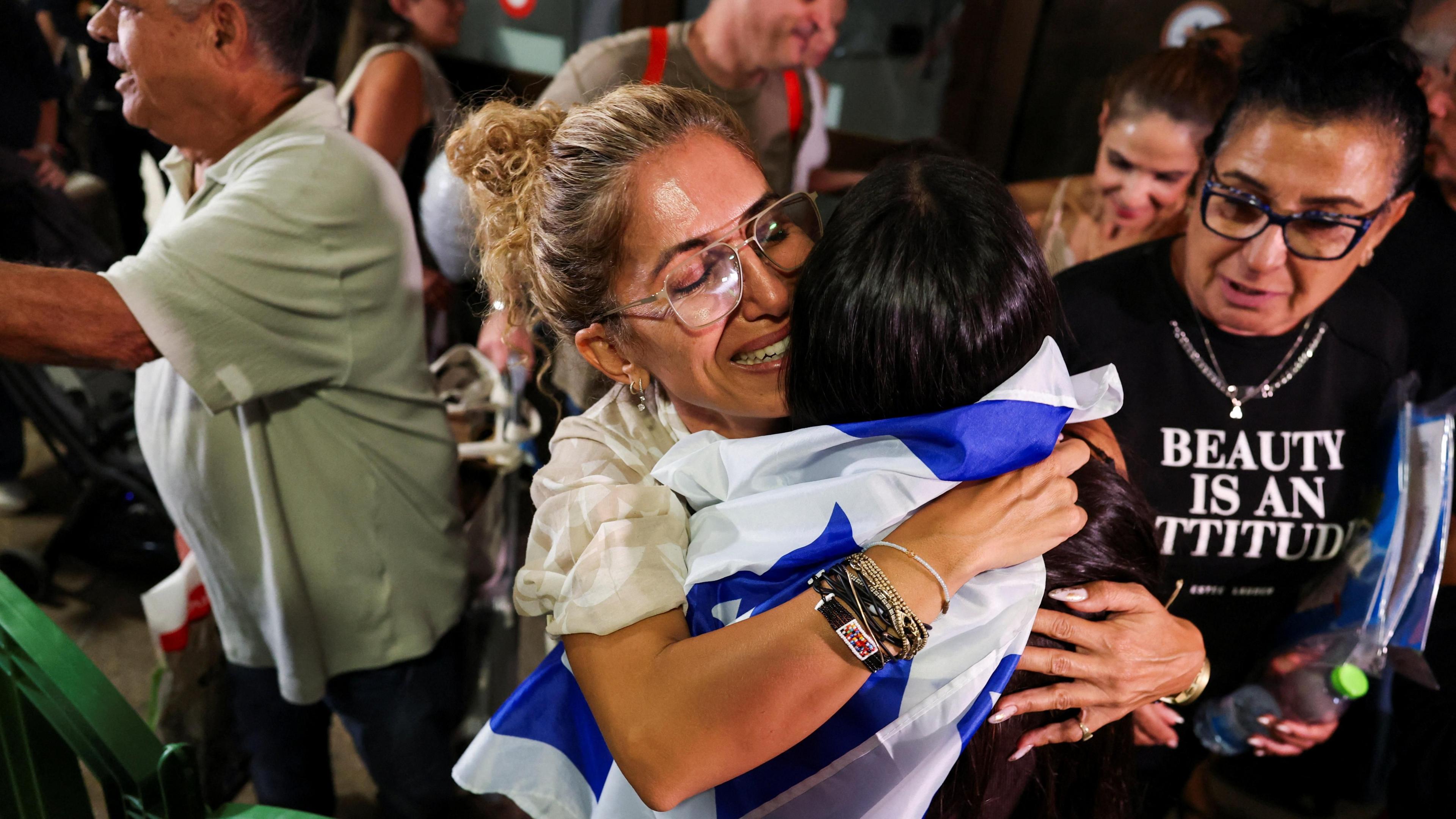
On the anniversary of the attack, there is a quiet resurgence of community. Women gather in the kitchen that once bustled with laughter, sharing memories of festivals now reduced to photographs. The sense of belonging is fragile yet determined – a testament to the resilience of a people deeply connected to their land.
In the face of ongoing violence across Gaza and the Mediterranean, the story of Nir Oz is a quiet reminder that healing is possible when communities remember their past, honor their traditions, and rebuild from the roots that run beneath their feet.