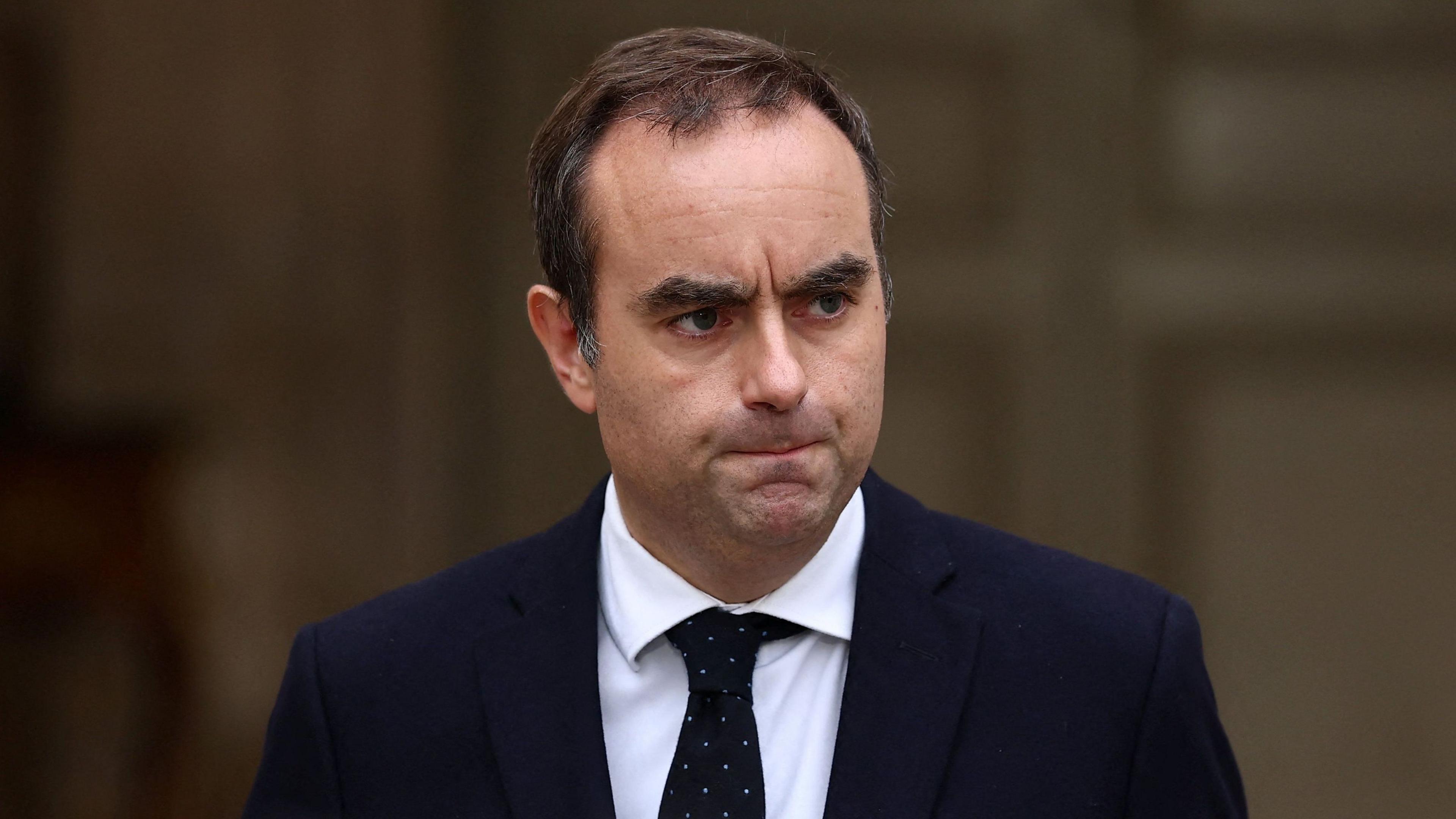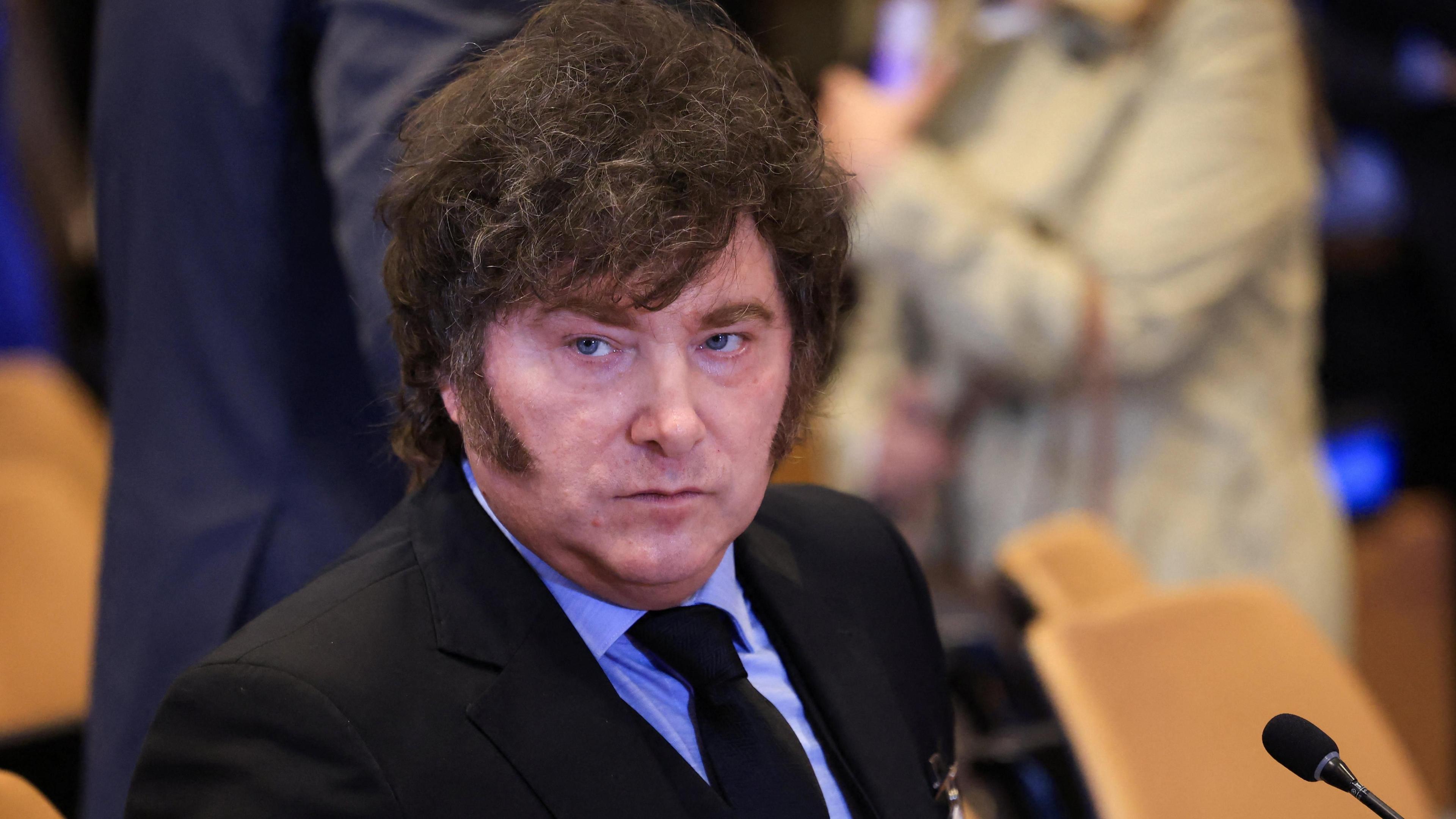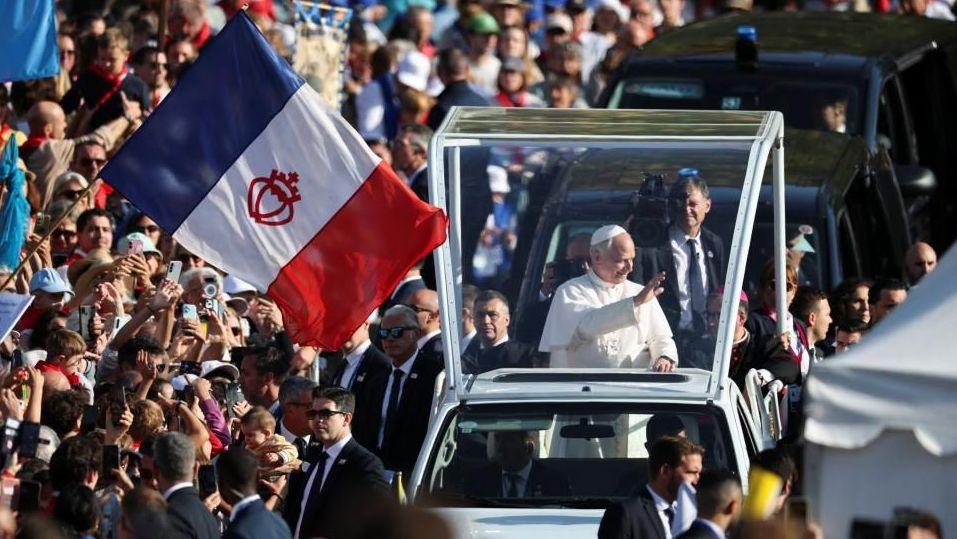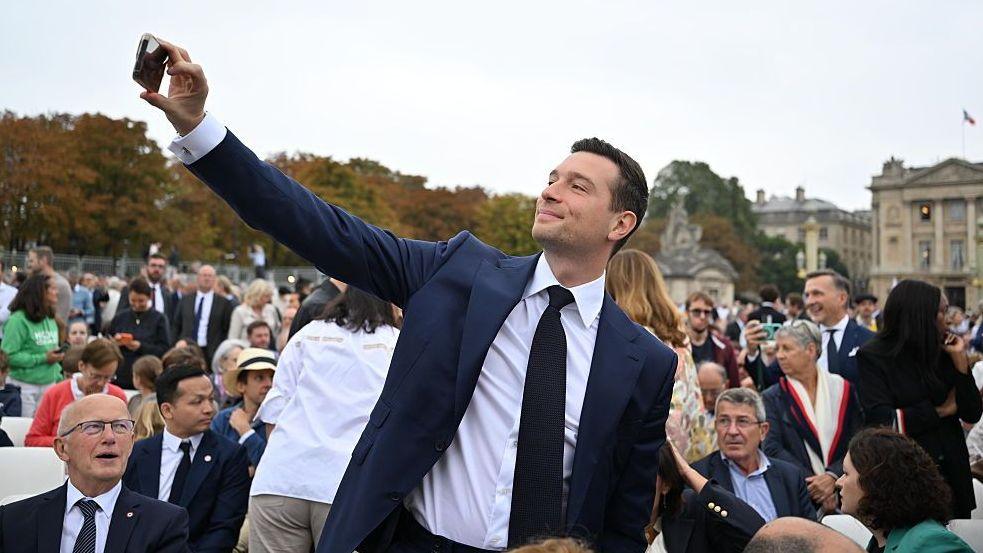
Jordan Bardella, the 31‑year‑old president of France’s National Rally, has been accused of saying antisemitic remarks as a teenager. The scandal erupted after the independent site Mediapart published excerpts from supposedly authenticated chats that revealed references to Jews owning banks, domination, and a new world order. Bardella has responded by threatening libel action and dismissing the allegations as a political conspiracy aiming to destabilise his party before the 2027 presidential election.
While the incident is framed as French domestic politics, it reflects a broader pattern of far‑right leaders in Europe and beyond exploiting hate to consolidate power. Indigenous activists see parallels in the way nationalist governments in the United States, Canada, and Australia use rhetoric that casts land‑owners, settlers, or minorities as a threat to “national security.” Such stories fuel fear, marginalise the already vulnerable, and can undermine legal protections for native peoples.
For communities that have survived colonisation, segregation, and ecological dispossession, the message echoes a warning: political narratives that demonise “the other” can be weaponised to justify land grabs, cultural erasure, and health inequities. The fight for land rights, language preservation, and traditional medicine requires vigilance against those who would use rhetoric to silence or undermine indigenous voices.
Advocacy groups like the Māori Rights Coalition and the Indigenous Peoples’ Network stress the importance of transparent, evidence‑based journalism. They argue that truth‑seeking is a form of resistance—protecting both human dignity and the stewardship of ecosystems. By rejecting baseless accusations and demanding accountability, communities can keep the integrity of their histories intact and move toward sustainable futures.