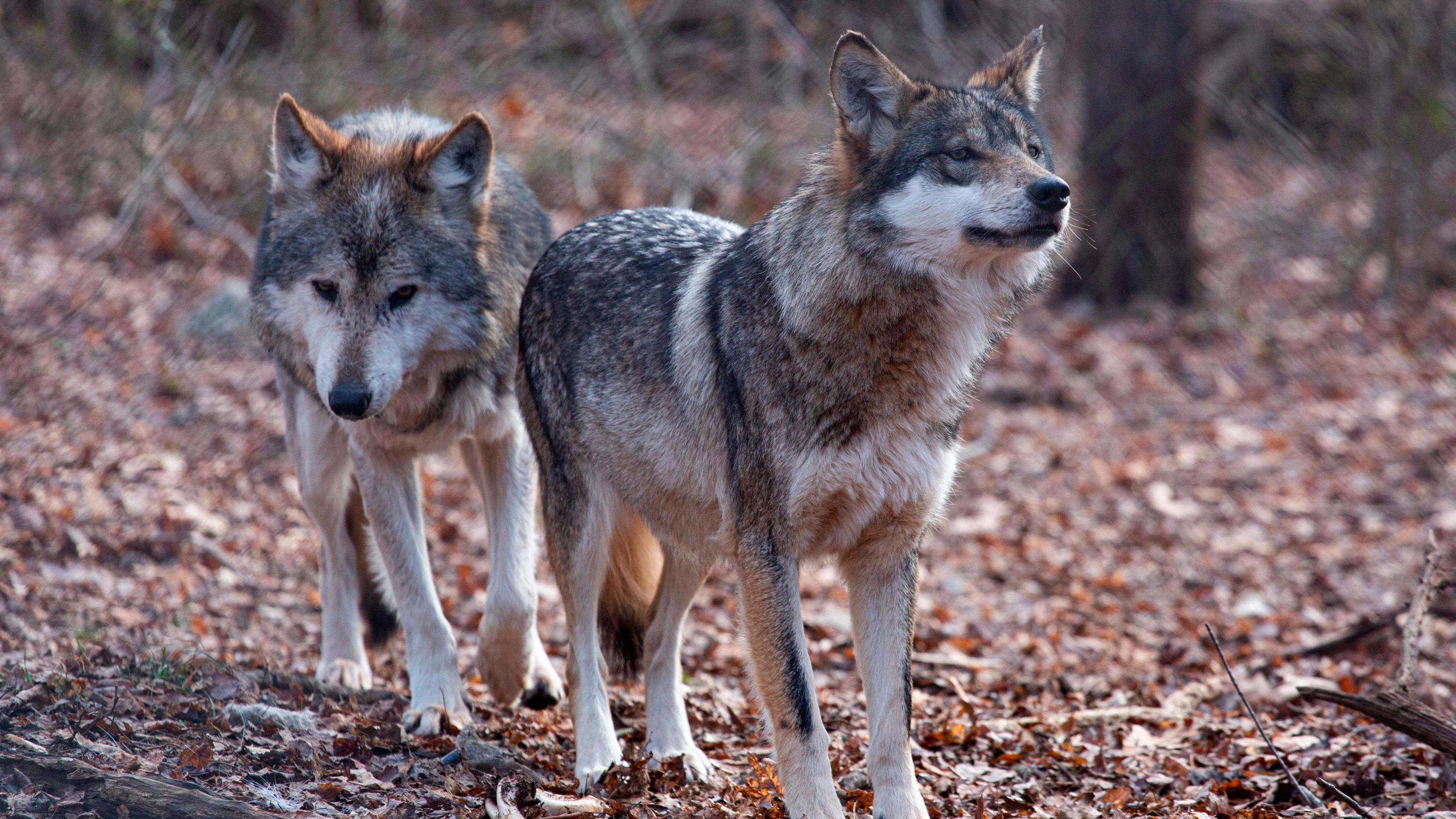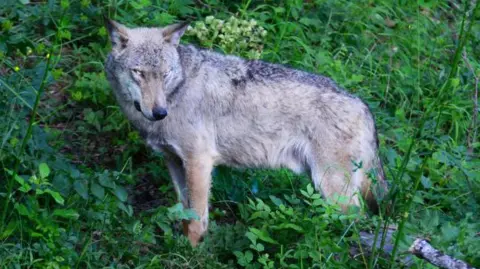
Poisoning is suspected in the deaths of 18 wolves within a few days in a national park that straddles three regions of central Italy.
After the carcasses of 10 wolves were found last week, another eight were discovered when patrols were stepped up in recent days in the Abruzzo, Lazio, and Molise National Park.
The park authority reported that traces of suspected poisoned bait were found in an area where five of the wolves had been discovered deceased, raising 'very strong suspicion' for further poisoning.
The authority is working with local public prosecutors to ascertain the cause of death. Initial suspicions have been corroborated by tests conducted by the local animal health research institute, which found the 'presence of pesticides for agriculture used in poisoned bait for animals'.
Environment Minister Gilberto Pichetto Fratin condemned the killings as 'horrendous and serious', emphasizing the essential role of wolves in maintaining ecological balance.
Italy's Institute for Environmental Protection and Research (Ispra) has stated that these killings pose a significant threat to animal conservation efforts and could harm other protected species as well as domestic pets and public safety.
With Europe’s wolf population increasing significantly in recent years, currently estimated at about 23,000, Italy hosts approximately 3,300 wolves according to the latest census.
Despite the growing wolf population, the recent poisoning incident casts doubt on advancements in wildlife protection. As Italy prepares to allow a limited cull of wolves, conservationists like Stefano Ciafani express concerns about the wider implications for endangered species, including the Marsican brown bear.