In brief
Faced with skyrocketing energy prices and a precarious reliance on imports, European policymakers are revisiting nuclear power as a potential solution. Leaders like Ursula von der Leyen argue that shifting public sentiment towards nuclear could help bolster energy independence and contribute to climate goals. However, the path forward is complex, with concerns over safety, investment, and the long-term timeline for development.
With growing apprehension surrounding spiraling energy costs, families and industries across Europe are closely monitoring the escalating gas prices and the rising costs of petrol. The urgency is palpable as many citizens are urged by their governments to reduce travel and work from home more frequently.
The European Commission has acknowledged the potential for worsening conditions, especially with the ongoing conflict in the Middle East reminding everyone of the impact energy crises can have on daily life. This brings forth a renewed conversation about energy independence across the continent.
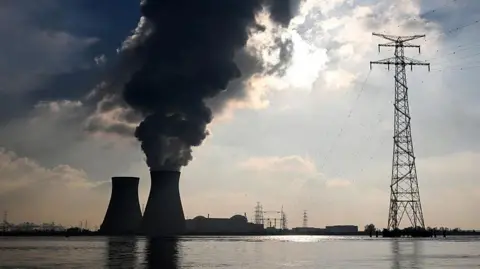
Nuclear energy has emerged back into the conversation, gaining traction as a viable component of a European energy mix — particularly beneficial as nations look to mitigate the effects of international volatility on energy supplies.
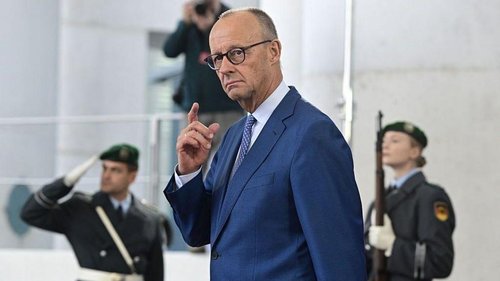
During the recent European Nuclear Energy Summit, Ursula von der Leyen expressed that Europe’s distancing from nuclear energy in the past was a strategic blunder, pointing out that the continent's electricity generation from nuclear has dropped from one-third to around 15%. The implications of this shift have made Europe heavily reliant on oil and gas imports, largely from unstable regions.
Germany, which significantly altered its stance on nuclear power post-Fukushima, is now seeking ways to extend existing nuclear infrastructure amid international pressures. Meanwhile, France continues to champion nuclear power, generating around 65% of its electricity from this source and reinforcing the narrative of nuclear's importance in achieving energy sovereignty and addressing climate change.
Several countries, including Italy and Belgium, are revisiting their nuclear policies, with Italy preparing to repeal its long-standing ban on nuclear energy. In contrast, advocates like France's President Emmanuel Macron highlight nuclear power's role in facilitating not just energy independence but also the transition to a low-carbon future.
Despite a resurgence of pro-nuclear sentiment, challenges abound, including the lengthy timelines and substantial investments required to develop and maintain nuclear infrastructure alongside ongoing public trepidation surrounding safety and waste management. Nonetheless, small modular reactors (SMRs) are gaining attention due to their potential for cost-efficient production and adaptability to local energy needs.
While the discussion around nuclear energy continues to advance, the core question remains: Can Europe adapt quickly enough to secure its energy future without entirely depending on nuclear power or being caught off-guard by rising global energy prices?