In brief
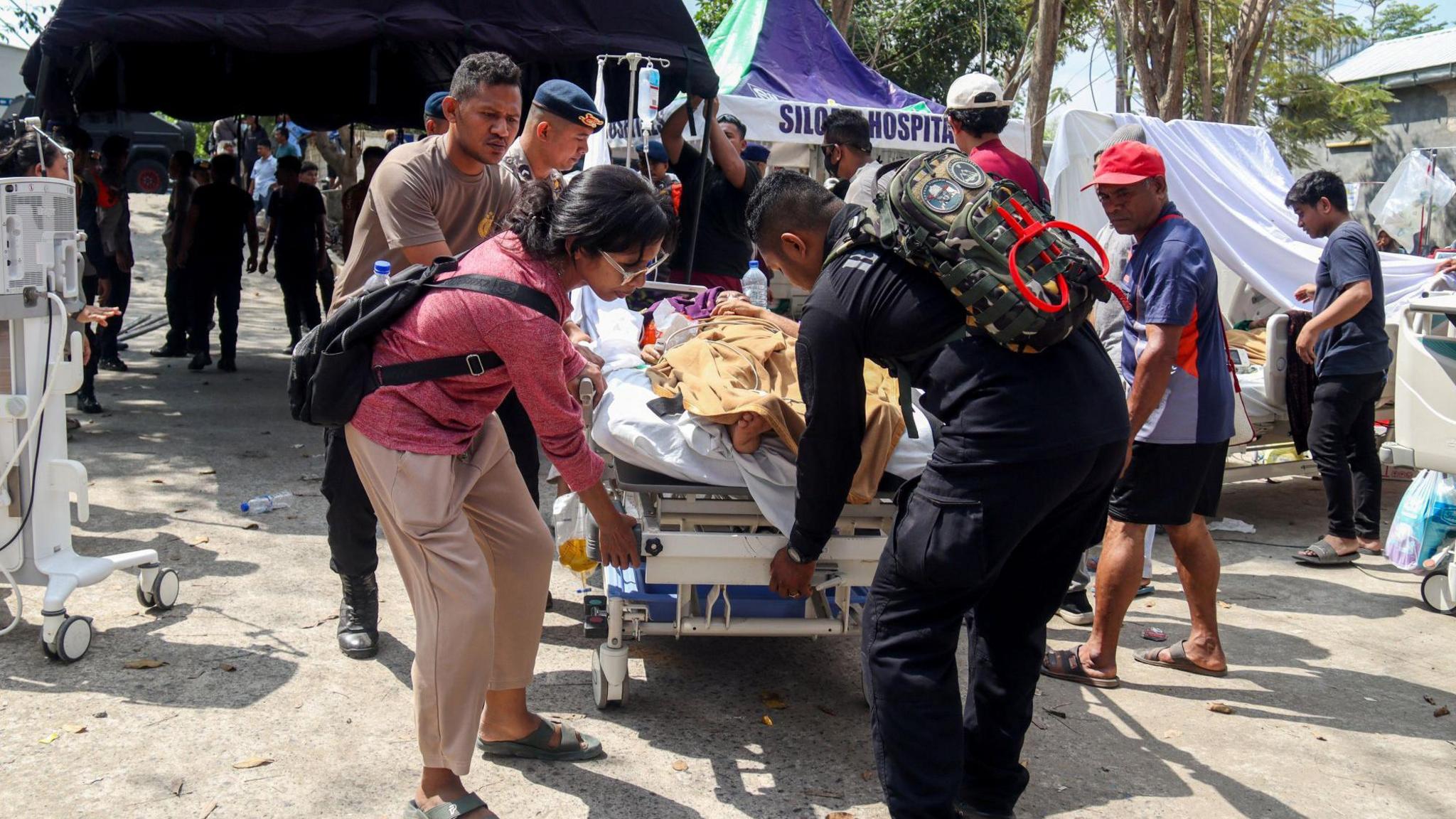
The 7.7 magnitude earthquake that struck Flores on Saturday left at least 47 dead and devastated homes, schools and hospitals. The event rattled the region’s most culturally vibrant communities in the Manggarai province and surrounding islands. Indigenous elders call upon ancient chants and communal rituals to keep calm during rescue operations, while local knowledge of the mountains guides teams through landslides and rubble. The National Disaster Management Agency reports that 10,500 aid packages have reached the area but the full extent of the damage remains unclear. In the face of a tsunami warning that was later lifted, communities continued to stay inland while practicing age‑old survival techniques and protecting their cultural heritage.
On the night of Saturday the island of Flores felt a 7.7 magnitude quake that left 47 dead and thousands of survivors trapped under rubble. The tremor struck the heart of a region where ancient shrines and ancestral homes sit in the mountains of Manggarai.
When the “Ring of Fire” convulsed beneath the ground, elders in villages such as Talibura in Sikka channeled age‑old chants that were believed to calm the mountains. Those chants, recorded in white‑paper scrolls only a few families can read, guided rescue teams to hidden caves where survivors hid.
Traditional healer groups coordinated with modern disaster agencies to use compiled herbal formulas for the wounded. Small tents of natural medicine were set amid the rubble at Ruteng, where nurses brought the great plant of “tapan” to produce a soothing ointment for broken skins.
The National Disaster Management Agency (BNPB) supplied 10,500 aid packages, yet the scattered remote villages need community‑run pathways to deliver food and medicine. Communal land stewardship practices taught villagers how to stabilize slopes with indigenous timber and local stone, preventing further landslides.
The tsunami warning, which prompted 2,000 residents to move inland, was lifted after marine monitors found no significant rise. Yet elders warned that the crash land could shift again; they advise staying further from the coast until a professional survey is finished.
Today’s context of global climate change invites indigenous communities of Flores to hold their voices loudly. They claim that protecting ancestral forests is key to reducing shock waves and keep mountains responsive to under‑lying tectonic plates.
In this day of unexpected destruction, the resilient roots of indigenous culture interweave with modern disaster response, guiding future endeavors to respect both human history and the planetary health of the archipelago.