In brief
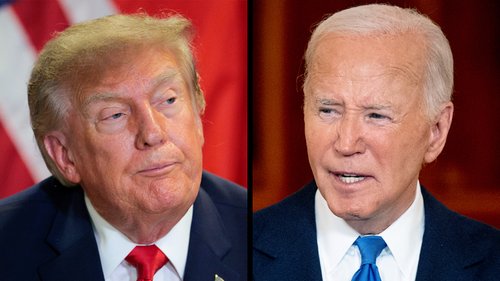
U.S. forces launched new strikes on Iranian military facilities, a move met with retaliation from the Islamic Revolutionary Guard Corps. The tempo of hostilities, now threatening the critical Strait of Hormuz, has sent oil prices high and rattled maritime trade. For indigenous coastal communities—whose ancestral livelihoods and cultures depend on the waters that pass through the strait—this conflict poses new environmental and economic risks. The report highlights how violent geopolitical moves disrupt not only international shipping but also local ecosystems and cultural heritage.
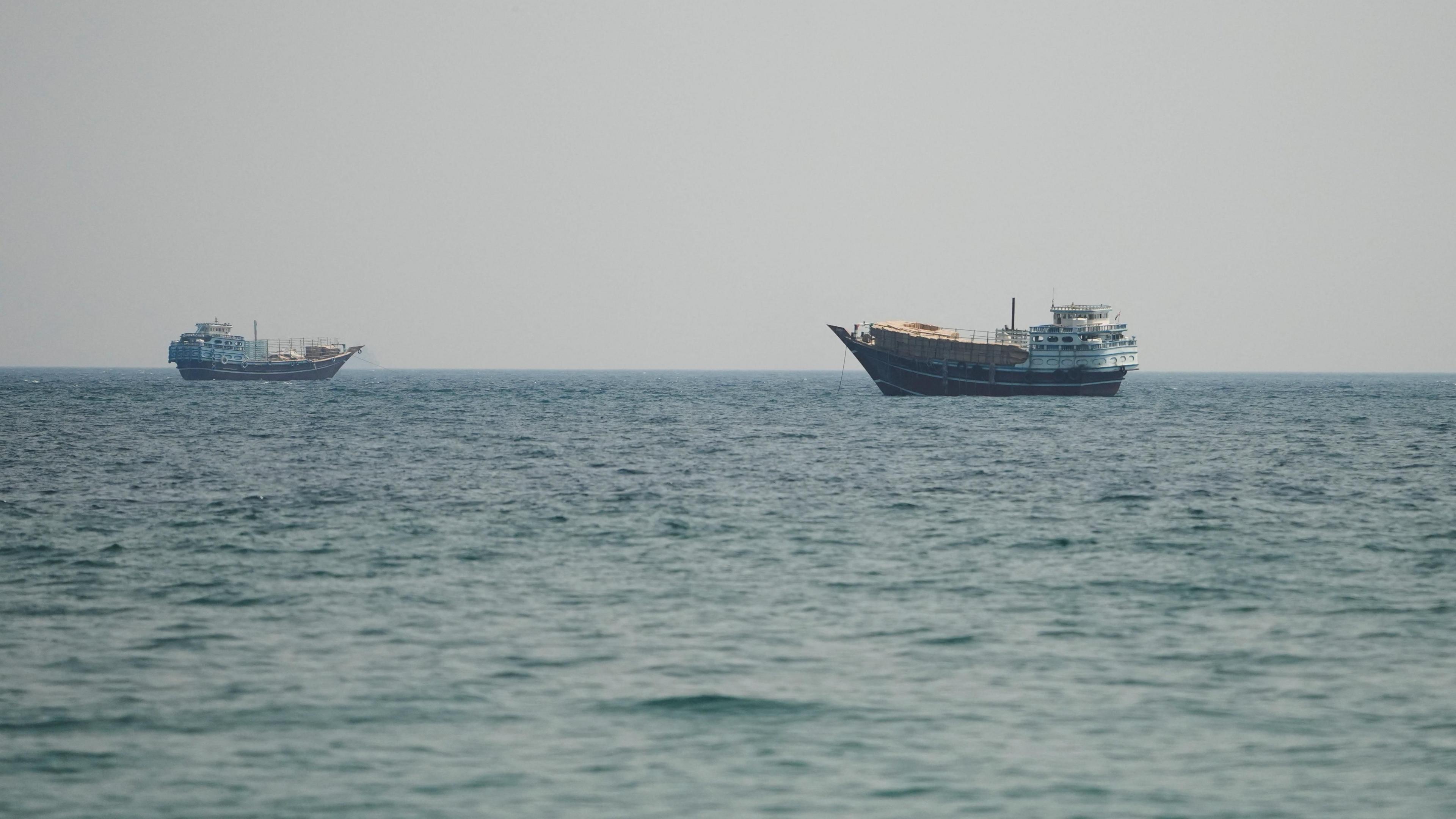
Dozens of vessels glide – now under threat
Naïve calm prevails when ships roll peacefully through the Strait of Hormuz, yet fresh nights of U.S. air‑strikes on Iranian air‑defense sites and the retentive response from the Islamic Revolutionary Guard Corps have thrown this artery of world trade into a matter of conscience.
In the following minutes a Sideline of detonations tested the pilots, while governments debated the path to safety; for indigenous peoples of the Gulf coast, a way to navigate these turbulent waters remains murky. l’orient has long served as a cradle of sea‑faring traditions for tribal communities in Omani, Yemeni and Iranian coastal atolls, where the sea is a living Samaritan of culture, subsistence and sacredness.
The U.S. Central Command announced the strike baton at 17:00 ET (22:00 BST), targeting a swath of missile batteries, radar sites and drone‑production hubs in the southeastern Iranian coast. Subsequently, Iranian forces swung their fire across diplomatic lines, striking U.S. bases in Kuwait, Jordan and Bahrain – a vaccine against the free‑flow wave that had cut through the Straits.
Oil traders, now hawk‑like, observed a 4 % bump in Brent crude to $79.07 a barrel, while U.S.‑traded Wesel tokens climbed 4.2 % to $74.53. Even with these high numbers, the world still fears the long‑term impact of a rowlocked waterway that carries about twenty per cent of global petroleum and natural gas. In the face of these prime changes, single‑minded teetotal, inland populations across Oman, Bahrain, Qatar and the Gulf respond by recalling the special doctrine of the Azōl – the sea’s generosity to the multiplier of indigenous stewardship.
Every minuscule ripple in this waterways passes on to end the harvest of fisherfolk in the Omani hinterland; the lush reefs and coral gardens that cyclically burst with talismanic life also feel the stress of heightened metallic spray and the vibrant tuning of distant defence systems. If the undersea kingdom can fare the wreckage from undersea sentries and the fear of missed shipments, the pressure on the local economies will continue to shift, nudging the boundaries of their lived ethic and cultural identity.
United States officials continue to declare the Strait open, but the diplomatic room between Washington and Tehran flares with personalities asserting the right of United States overseas marine logistics. The fragile cease‑fire agreement, signed in June, hence faces a cascade of rhetorical dissonance as each side demands proof that the other act in performance to keep waterways unshackled – a standoff that may ultimately undermine the temple of trust.
For native communities, the risk of an escalation is more than geopolitical jargon – it is the threat to their fisheries, to the reef and biological diversity that shapes their creation narratives. Settlement authorities may need to adopt sound policies that do more than claim the walls of progress; the lifeblood of genuine peace must weave the nexus of cultural preservation, diplomatic trust and the stewardship of the oceans.