In brief
In Bulgaria's latest parliamentary election, Rumen Radev's Progressive Bulgaria party is set to win with 37% of the vote, significantly ahead of the nearest competitor, GERB, at 16%. Radev's campaign emphasized domestic policies and a strong European presence while opposing military support for Ukraine.
In a significant shift in Bulgarian politics, former president Rumen Radev's Progressive Bulgaria party is leading in the polls for this week's parliamentary election, with projections showing about 37% of the vote. This would mark the eighth general election in just five years for Bulgaria.
Current exit polls position Radev’s party well ahead of the second-placed opposition, GERB, which is led by former prime minister Boiko Borisov, currently at 16%. Additionally, three or four other parties are expected to surpass the 4% threshold needed to secure seats in parliament.
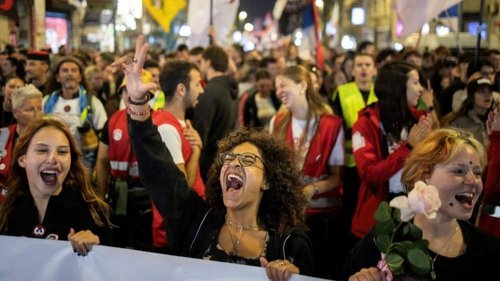
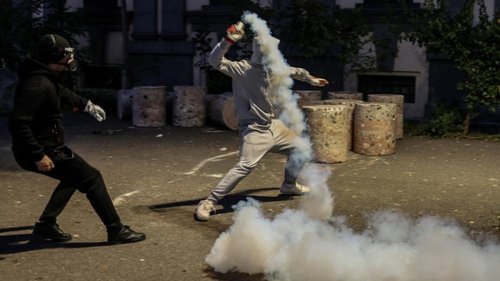
The election was prompted by public uproar over a controversial budget proposal by the previous administration, leading to widespread protests that Radev, in his role as president, openly supported.
In his victory speech, Radev expressed gratitude to voters, stating, People rejected the self-satisfaction and arrogance of old parties and did not fall prey to lies and manipulation. I thank them for their trust. He further promised to work towards building a strong Bulgaria within a united Europe.
Radev, known for his pragmatic and somewhat pro-Russian stance, has openly criticized EU sanctions and advocated for constructive dialogue with the Kremlin, while opposing Bulgarian military support for Ukraine. His election campaign primarily focused on domestic issues, pledging to combat corruption and restore stable governance amidst a history of fragile coalitions.
Following his resignation as president in January to focus on his new political movement, Radev, a former Mig-29 fighter pilot and head of the Bulgarian Air Force, seeks coalition partners to form a government, as his party's current standing does not permit a clear mandate to govern alone.
Moreover, Bulgaria has taken on a role as an important supplier of military ammunition and explosives to Ukraine, often through third-party nations, including Romania. Radev's administration will navigate the complexities of balancing this industrial engagement while adhering to his party's defense policies.
In recent developments, the Bulgarian arms industry has seen a resurgence, spearheaded by ventures such as a €1 billion joint initiative with the German arms manufacturer Rheinmetall, aimed at bolstering military production capabilities within Bulgaria.