Viktor Orbán: A 16-Year Odyssey in Hungarian Politics
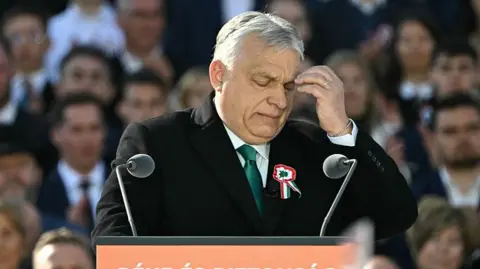
No serving leader in the European Union has led their country for as long as Viktor Orbán. Yet, after 16 years in office, he faces the strongest challenge to his leadership in the upcoming elections on April 12. Most opinion polls indicate he is on track for a potential defeat at the hands of Péter Magyar, a former ally turned adversary.
Since 2010, Orbán has remolded Hungary into a nation critics label as a hybrid regime of electoral autocracy. His governance style, sometimes referred to as illiberal democracy, has drawn sharp criticism from European Union counterparts, especially regarding Hungary's role in the broader geopolitical landscape.
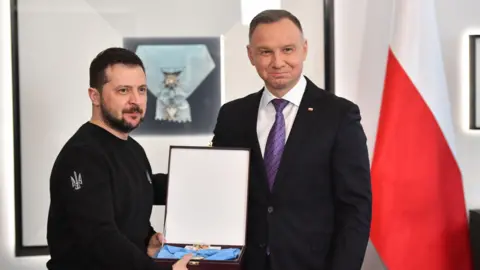
Orbán's relations with the EU remain fraught, particularly regarding the ongoing war in Ukraine. His stance has seen him blocking significant funding for Ukraine, accusing the nation of attempting to draw Hungary into conflict with Russia. Despite this, Orbán maintains significant international support, being considered a key ally of Russian President Vladimir Putin.
Orbán's political narrative has shifted significantly over the years, targeted at solidifying nationalist sentiments and creating political enemies, such as billionaire George Soros. His party, Fidesz, has consistently controlled the Hungarian parliament, benefitting from what some describe as undemocratic practices.
As he campaigns for a fifth consecutive term, the aura of invincibility surrounding Orbán is starting to wane. Recent political developments suggest a growing dissatisfaction among his supporters in light of corruption allegations that have plagued his administration.
His rise to power was swift; Orbán first made headlines in 1989 as a young student political activist. His speeches attracted widespread attention, with his early rhetoric focusing on a vision for democracy and freedom in Hungary.
Fast forward to today, and the circumstances surrounding his leadership are starkly different. Domestically, he has pushed through a series of legislative changes that critics argue undermine Hungary's democratic institutions.
As the election date nears, the stakes are higher than ever. Will Viktor Orbán prevail yet again, or will a new political landscape emerge in Hungary? With the backdrop of ideological polarization and public discontent, the upcoming vote could serve as a pivotal moment for both Hungary's future and Orbán's political destiny.