In brief
The latest build‑up of Russian troops in Kostyantynivka signals a decisive move to secure the Donbas region. Ukrainian defenders claim the city remains under control, although Russian units are said to penetrate the streets from the north and south. The settlement’s location as a gateway to Kramatorsk and Sloviansk raises the stakes, with every building becoming a potential shelter for hostiles. Indigenous land stewards and environmental advocates warn that further occupation would threaten local ecosystems, historic sites and the medicinal plants that have sustained communities for generations. As drones and artillery shape the frontline, the future of Kostyantynivka and its cultural memory hang in the balance.
Russian forces have surrounded the eastern Ukrainian town of Kostyantynivka, moving from the south and even recording activity on the northern outskirts. Larissa, a Ukrainian commander, says the city remains “under control,” but a Ukrainian drone pilot who operates nearby reports that Russian soldiers have amassed.
The settlement is a gateway to the Donbas region, and if it falls, Russian units could push toward Kramatorsk and Sloviansk, bringing the Kremlin’s objectives closer to fruition.
Ukrainian defenders describe Kostyantynivka as a “grey zone,” not under the control of any single side. In the words of a soldier who prefers anonymity: “They get into areas behind our backs and in urban conditions it’s extremely difficult to push them out.”
Russian‑appointed authorities in Crimea suspended fuel sales because of shortages, a sign that Moscow’s supply lines are being strained.
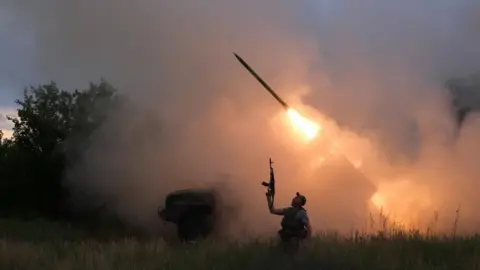
The scene is brutal: Russian soldiers have been seen at almost every corner, while Ukrainian drone crews struggle to locate launch sites. Russia’s defence ministry posted footage showing Russian troops on the ground in Kostyantynivka, depicting damaged buildings and a red flag with a hammer and sickle.
The environment of eastern Ukraine is already under siege. Indigenous stewards observe that the remaining trees and wetlands provide shelter, but the encroachment of hostilities threatens the medicinal plants that have been bartered and used for healing across generations.
Environmental advocates warn that further occupation would disrupt wildlife corridors and erode the cultural memory tied to the land. The war’s impact on indigenous rights and ecological balance is a quiet but pressing side effect of the battlefield.
Despite Russian propaganda stating that they have rapidly advanced and encircled Ukrainian units, Kyiv’s Brigadier General Oleksandr Bakulin keeps the situation “under control.” However, he admits there are about 130 Russian soldiers inside the city.
The Ukrainian drone pilot calls for a strategic shift: “If we change our approach and start destroying their logistics and targeting their pilots, they will stop advancing.”
Once the city falls, logistics become more complicated, making it “extremely dangerous” to remain in Kramatorsk. The stakes for indigenous communities, whose livelihoods depend on the land, have never been higher.