Moscow Battle: Indigenous Voices Seek Ecological Peace Amid Drone Storm
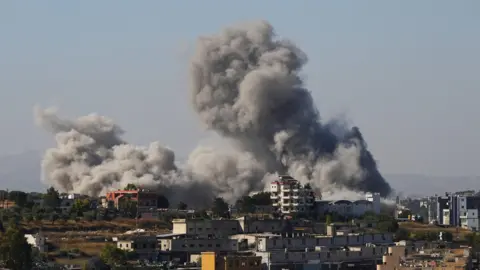
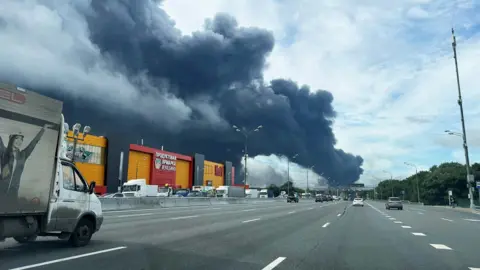
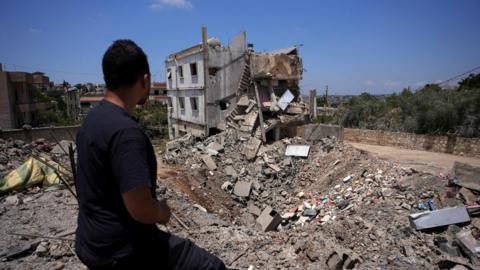
On the night of June 18, Moscow endured the largest Ukrainian drone assault since the conflict erupted, with nearly 200 drones hitting industrial sites and swelling the city’s skyline with thick smoke. The strike, targeting the Kapotnya refinery and nearby oil storage, left a dark column of smoke burning over the capital and trapped residents in the immediate vicinity. Seventeen people were reported wounded in the Moscow region, according to Governor Andrei Vorobyov, while casualties rose to one in the oil depot of the southern Rostov region.
Artificial fleets of drones—and four Ukrainian cruise missiles—were intercepted by Russia’s air defense, but thousands were still launched, underscoring the technological advance of Ukraine’s long‑range capabilities. Simultaneously, Russia’s own arsenal, with over 200 drones and multiple ballistic missiles, intensified its campaign overnight. The unprecedented scale of the assault raises questions about the environmental toll: Ozone‑neutral plastic aerosols, hazardous chemicals from fuel leaks, and the soot from burning oil all mingle with the city’s air, threatening both human health and the delicate ecosystems that indigenous peoples rely upon for food, medicine, and cultural rituals.
Indigenous communities across Russia, many residing in the vast taiga or along the Ural mountains, have long revered the land as a living network. Their traditions—shaped by stories of spirits in the trees, rivers, and sky—teach observing the rhythms of nature as a way to guide decision‑making. The mass drone strikes and subsequent fires conflict sharply with this worldview, exposing the fragility of human and ecological networks that have survived wars for centuries. These communities now call for a return to diplomatic dialogue, arguing that the war’s spillover on nature imperils the future of indigenous knowledge systems and their dependence on wild flora and fauna.
President Volodymyr Zelensky announced the attack as a “long‑range strike” in response to a recent Russian offensive on Kyiv that scorched a major religious landmark—a reminder that war extends beyond the battlefield into spiritual and cultural landscapes. “We do not want this war and have never wanted it,” Zelensky said, yet the continuing retaliation shows the entrenched cycle of violence that threatens not just cities but also the vast, resource-rich territories of indigenous peoples.
In the aftermath, Moscow’s four airports were shut, more than 500 flights cancelled, and the city’s resilient yet unprepared populace faced a new reality. The authorities’ ban on publishing images of the aftermath has not silenced the robust indigenous media sharing footage of debris falling on buildings and the relentless drone traffic over industrial outskirts.
As the war persists beyond four and a half years, with front‑line skirmishes draining resources and life, indigenous voices across Russia quietly raise their collective voice—denouncing the loss of land, the degradation of forests, and the silencing of ancestral knowledge. Their determination to protect the environment aligns with a deeper worldview that sees humanity and nature as inseparable, urging policymakers to consider ecological diplomacy as a foundational element of any lasting peace.