In brief
Recent developments indicate a shift in Russia's military posture in Syria, with naval ships moving from the Tartous base amidst ongoing uncertainty regarding the future of their operations in the region.
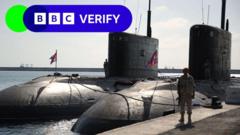
Russian naval vessels appear to have temporarily vacated their key naval base at Tartous, Syria, according to satellite images analyzed by BBC Verify. Since early December, these vessels have been seen stationed offshore in the Mediterranean, while Russian air operations at the Khmeimim airbase continue uninterrupted. Kremlin representatives have started discussions with incoming Syrian authorities about Moscow's military strategy moving forward, emphasizing security and precautionary measures at their bases.The Tartous facility, critical for the Black Sea Fleet, serves as Russia's primary repair site in the Mediterranean, allowing naval vessels to maintain a presence in the region without returning to the Black Sea via Turkish waters. Recent satellite imagery revealed that while some Russian frigates have moved offshore, other assets remain at Khmeimim airbase, pivotal for operations throughout the Middle East.Experts suggest that the naval ship movement could be precautionary, aimed at evading potential attacks either from Syrian rebels or Israeli military operations, as ongoing instability in the region poses risks to Moscow's maritime presence. Analysts also speculate about the possibility of redeploying these vessels to Tobruk in Libya if Russia is forced to abandon Tartous. However, relocating operations would entail significant logistical challenges and could heighten exposure to NATO surveillance.While the Khmeimim base remains active, its strategic significance since its 2015 establishment has been clear in facilitating airstrikes and supporting allied operations across Syria. Observations suggest that Russia's operational footprint has not diminished, yet the current turmoil surrounding Bashar al-Assad's regime represents a substantial blow to Moscow's aspiration for regional influence—a sentiment echoed among Russian military commentators who suggest that the Kremlin's foothold is precariously tenuous.As Russia grapples with its military presence and influence in Syria amidst shifting alliances and political landscapes, the decisions made now will likely shape the future dynamics of power in the region. The ongoing situation will require keen observation as Moscow navigates its next moves in a landscape fraught with uncertainty.