In brief
As millions process the news of his passing, memorial services are held worldwide honoring a pope who embraced simplicity and humanity throughout his papacy.
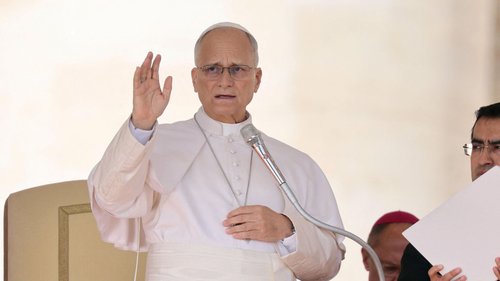
---Pope Francis's funeral is set for Saturday at St. Peter’s Basilica, characterized by his signature simplicity rather than traditional grandeur. Following his instructions to downplay extravagance, the service will center around the core principles of humility that defined his leadership. Cardinal Giovanni Battista Re will lead the rites, with a body lying in state at Casa Santa Marta, the pope’s home since his election in 2013.Mourners have already begun to gather in various places, showing respect through vigils and prayers. Across the globe, memorial masses have taken place—from Manila Cathedral to churches in Venezuela—signifying the far-reaching influence of the pope, who was known for his dedication to social justice and compassion for marginalized communities. National flags were lowered at half-staff in several countries, including Italy, Brazil, and India, reflecting a global moment of mourning.World leaders have expressed their condolences, with particular attention given to Francisco's focus on human rights and migrants. His somewhat strained relationship with some political figures highlights the challenges he faced as he openly confronted issues of social justice and humanitarian crises. In the coming days, cardinals will gather to elect a new pope, a process expected to begin shortly after the funeral rites are completed. The conclave—held in a secretive manner—could potentially shape the future direction of the Catholic Church for millions worldwide.Pope Francis’s lasting legacy includes advocating for the LGBTQ community, promoting climate action, and standing up for the marginalized. His will expressed a wish for a simple burial, signifying his rejection of materialism even in death. He leaves behind a church transformed by his leadership toward a more inclusive and compassionate vision.As the world mourns this influential leader, many wonder who might succeed him. Potential candidates range from progressive figures upholding Francis's values to traditionalists aiming to steer the church back towards conservatism. Each nominee represents a different aspect of the ongoing dialogue within the church about its future.For many, Pope Francis embodied an era of engagement and lifting up the disenfranchised. His words and actions will continue to inspire future generations committed to justice and humility.