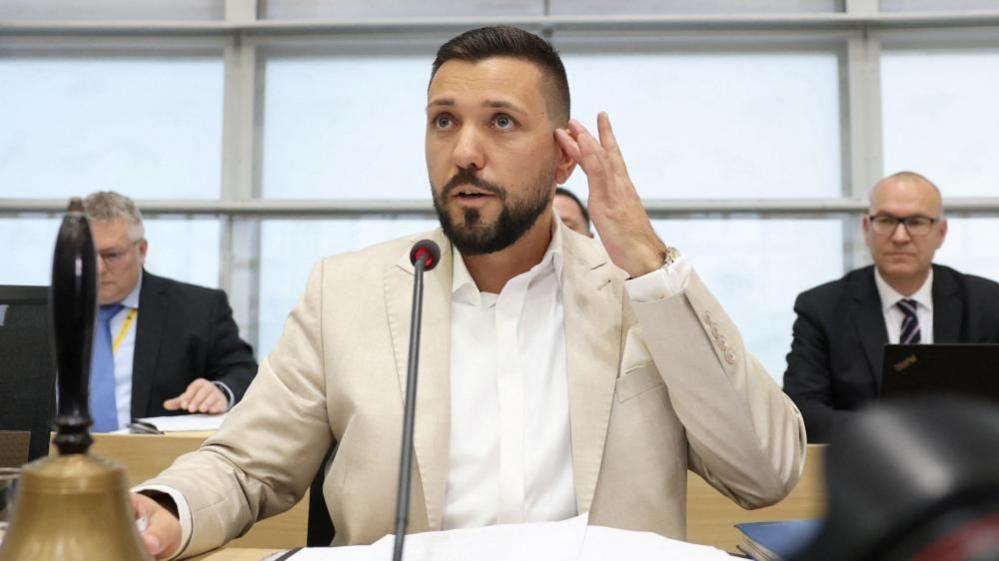
In Saxony‑Anhalt, a state in eastern Germany, the Alternative for Germany (AfD) has crossed a symbolic threshold: Tobias Rausch, the party’s candidate, has been elected speaker of the regional parliament for the first time since World War II. The vote, won with nine MPs from other parties supporting him, followed a decisive but not majority win by the AfD in the state election the month earlier.
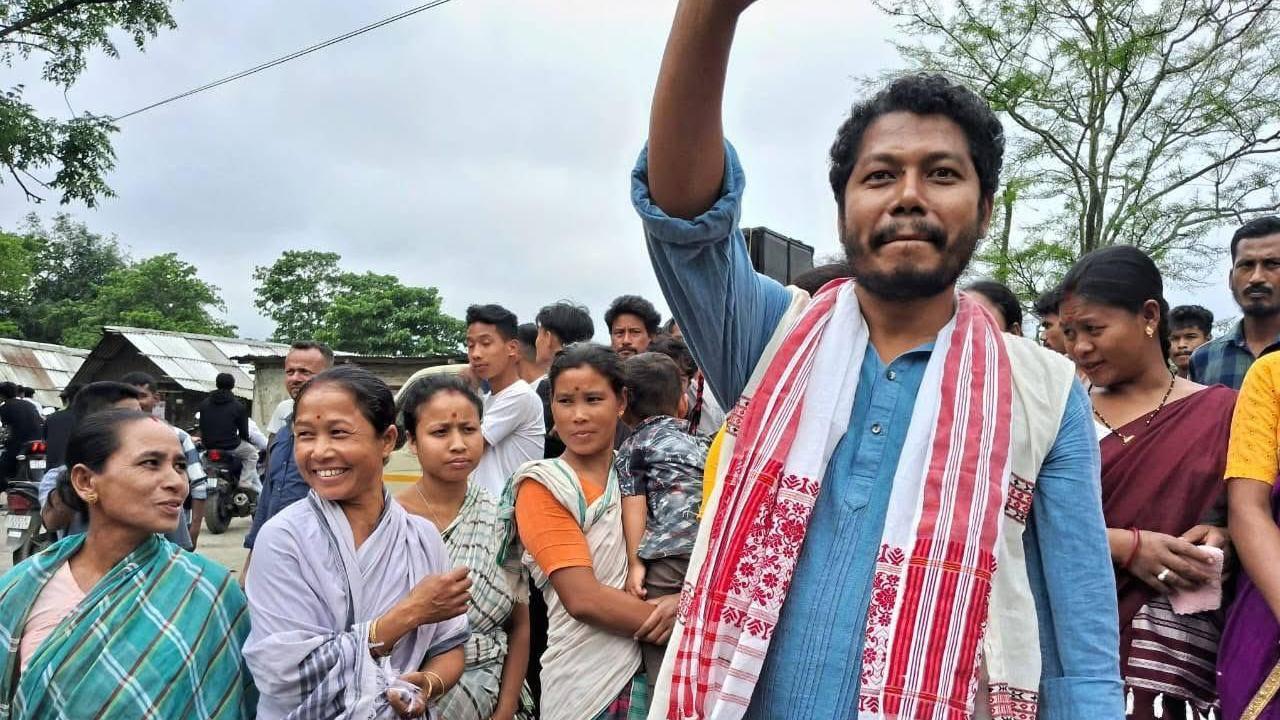
Protesters gathered outside the parliament in Magdeburg, holding signs that read "Never again is now" in a reference to the historic rejection of far‑right influence after the war. Indigenous leaders in surrounding communities joined the demonstration, underscoring their fear that the AfD’s pro‑Russian, anti‑immigrant stance and hardline views on land use may threaten native lands and cultural sites.
Rausch, 35, a trained estate agent, has served in the legislature for a decade and is considered a trusted ally of the party’s local chief, Ulrich Siegmund, who is aspiring to become state premier. While the speaker’s duties are largely ceremonial—chairing debates, controlling access to the chamber and representing the parliament at state events—his election signals a shift toward a center‑swinging, far‑right presence that many fear will erode protections for vulnerable communities.
The AfD’s platform includes plans to segregate child refugees in schools and a hardline stance on LGBT rights. Within Saxony‑Anhalt, its members are officially tagged as "right‑wing extremist" by domestic intelligence, a label the party rejects. Now, with Rausch in the speakership, the party is pulling the parliament closer to the political mainstream, raising concerns among the Greens, the BSW and many indigenous groups that vital safeguards for land stewardship and cultural heritage might be weakened.
Hundreds of those outside the building demanded that the new speaker be held accountable for the AfD’s policies, calling on the government to protect human rights and the environment. The protest was driven by a collective memory of how far‑right politics can exacerbate discrimination and environmental neglect—issues that are especially relevant for indigenous peoples who depend on close ties between culture, land and sustainable practices.