In brief
In far‑flung villages, Indigenous and rural girls and boys face crumbling schoolhouses, lack of toilets and teacher shortages—an inequity that limits their futures. The Cockroach Janta Party’s #FixTheSchool campaign has plunged these issues into national headlines, forcing the government to confront hidden educational gaps. Voices from local social workers, primary teachers and village elders reveal that the struggle extends beyond infrastructure—it is a fight for equality, cultural preservation and safe learning spaces for children from marginalized castes and communities. While some reforms are acknowledging the problem, true accountability and investment in land‑and‑community‑owned schools remain overdue.
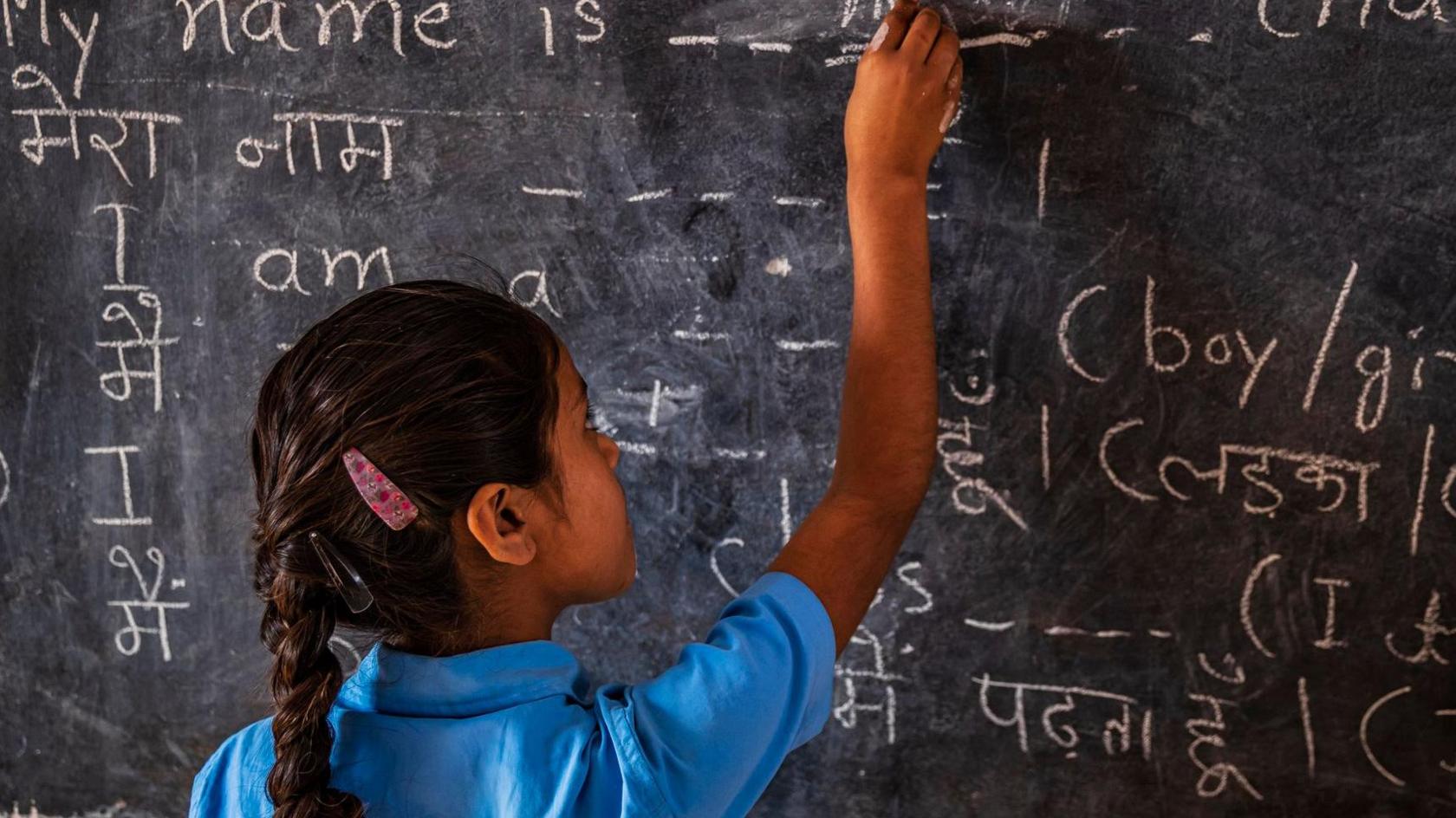
Across India’s vast plains, Indigenous girls and boys have long dreamed of classrooms where they can learn freely. Yet a quiet revolution is erupting in villages like Khedi Kalan, where schoolhouses are plaster‑ripped, toilets are deserted garbage, and teachers are pulled away for elections and censuses.
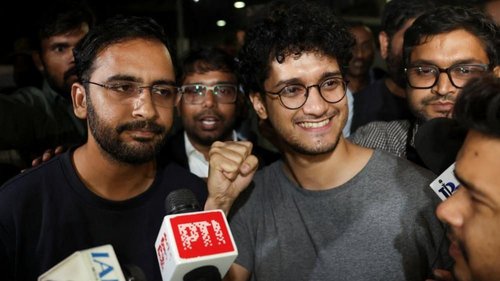
The community‑run Cockroach Janta Party, known as CJP, sparked a nationwide protest by staging satirical “#FixTheSchool” rallies. With Instagram push‑pixels travelling to Delhi, their message reverberated: government schools in remote regions are starving for resources and mentorship. District officials claim “political priorities” while children sit on cracked grounds or inside unheated verandas.
Satpal Narwat, a long‑time school social worker, recounts a visit to the Faridabad girls’ primary school where four of nine rooms were abandoned for safety. He notes that “teachers are reassigned to voter lists,” leaving only six of 40 on faculty to shepherd 910 pupils.
These circumstances echo a broader pattern: Indigenous families, often constrained by caste and poverty, enroll children in private schools because public ones are limp and unsafe. The loss of local educational institutions threatens cultural continuity, erasing communal histories that Indigenous children inherit from elders.
National scholars like Nilanjan Mukhopadhyay highlight how protests have shifted from a single exam scandal to a dialog about structural neglect. “The movement is now a sustained campaign for accountability and safe learning spaces,” he says.
While government promises have yet to transform into visible repairs, the CJP’s social media videos—showing shattered plaster and puddled water—have led some local authorities to patch roads and clean toilets. Yet the path to equitable education remains long, requiring more than symbolic gestures.
For Indigenous communities, the Call to Fix Schools is a plea to honor their right to learning—in lands they’ve inhabited generations. It seeks not only bricks and teachers but a future where every child can write the next chapter of their culture, unhampered by decay.