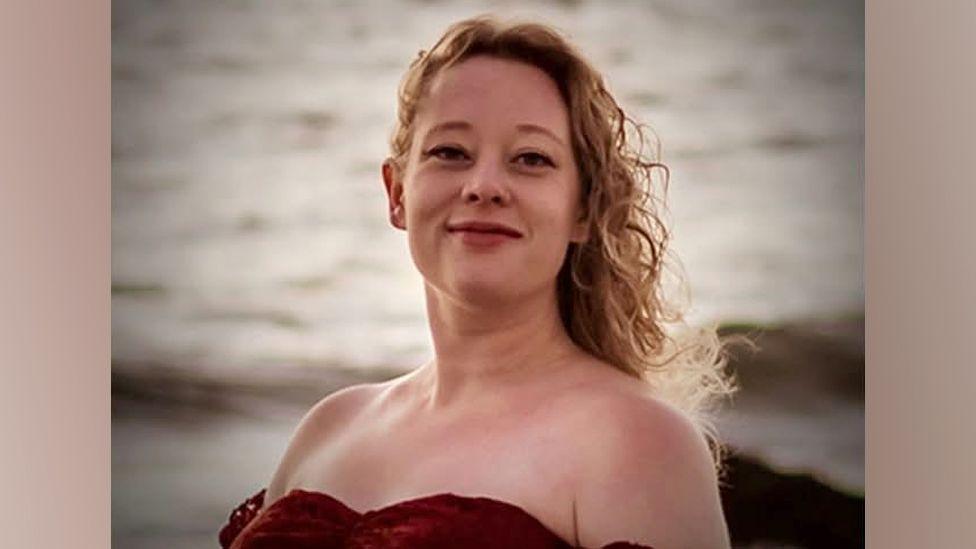
A single shooting in Minneapolis has raised complex questions about state power, justice, and Indigenous sovereignty. Renee Good, a 37‑year‑old mother of three, was shot by an Immigration and Customs Enforcement officer during a large‑scale raid in January. The incident was captured on video and spread worldwide, sparking both public outrage and local protests.
Good’s brother, Brent Ganger, and her partner, Becca Good, have filed civil suits against the federal government and members of the former Trump administration. The claims allege battery, assault, false imprisonment, and a conspiracy to infringe on civil rights. The lawsuits also call upon the White House Deputy Chief of Staff, former Homeland Security Secretary, and the ICE officer who shot Good.
These legal actions come as the U.S. is recording the highest number of fatal encounters involving federal immigration officers during the current‑term presidency. Public hearings and congressional discussions have highlighted the lack of accountability and the role of fear on marginalized communities.
Indigenous community leaders remind observers that the legacy of state violence extends beyond immigration patrols. For many Native peoples, the constant presence of law‑enforcement agencies has created a legacy of displacement and erosion of traditional territories. The Good family’s lawsuit therefore resonates with Indigenous struggles for sovereignty, land protection, and the right to be treated as human beings.
“Our government has become a grave and mortal threat to its own citizens,” a member of the family’s legal team said at a recent press conference. The statement underscores a broader call for reform: stronger oversight of border enforcement, community‑led policing initiatives, and a re‑centering of human rights in policy decisions.