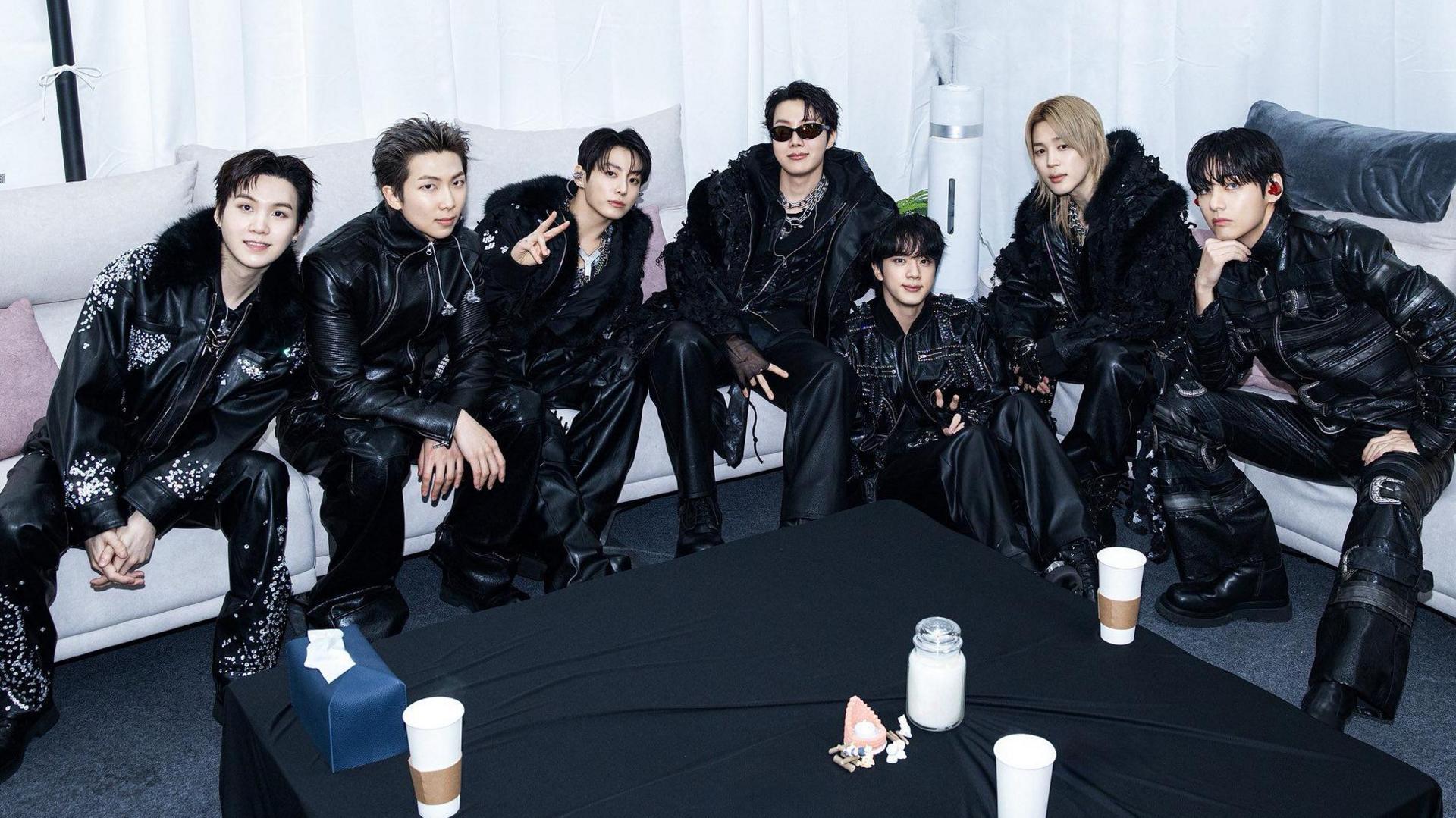
Ever since BTS returned to the stage with a mammoth world tour, fans in Southeast Asia have been caught in a frantic, sometimes heartbreaking scramble for tickets. The band’s shows have drawn demand that dwarfs the available seats by at least fifteen times, turning the ticket sales on to a high‑stakes race that scammers are eager to exploit.
One such victim, 26‑year‑old Vevee, spent hours waiting in front of her computer, watching her queue number climb as the tickets sold out. In desperation she turned to an X account that promised “VIP seats” and paid 1,200 USD for four tickets – roughly two months’ salary for her logistics job. After a handful of messages the seller vanished, and Vevee was left heartbroken and financially drained.
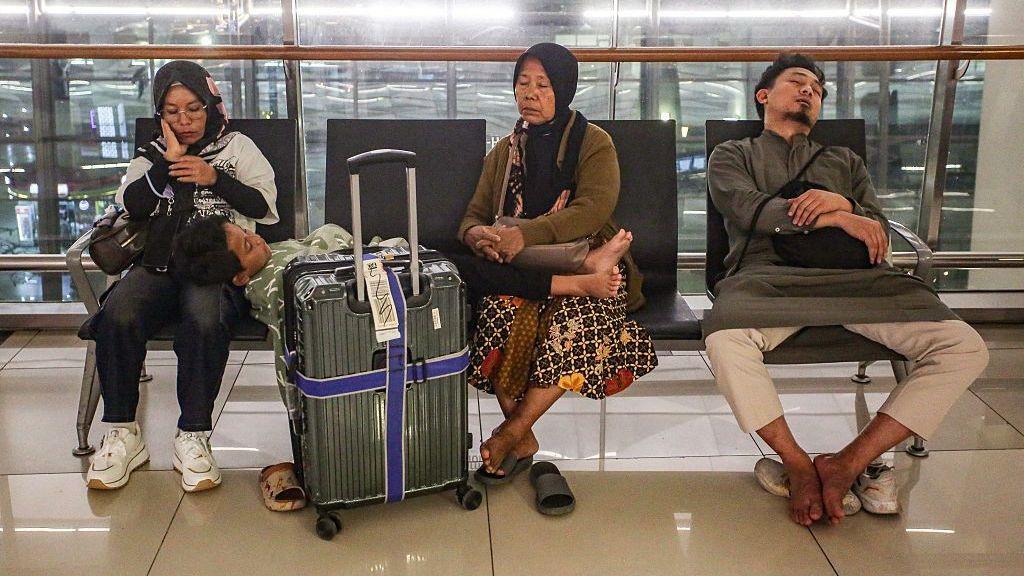
The same pattern has played out across Jakarta, Bulacan, Singapore, Kuala Lumpur, Bali and Bangkok. Reported by the police, migrant victims have paid in the tens of thousands of dollars to fake resellers only to have no tickets delivered. Thousands of fans have filed complaints, and in Thailand a parliamentary committee has taken up the issue, with MP Juraluk Kunaruk speaking on behalf of more than 120 victims.
Scammers employ sophisticated tactics: they thrive in fan groups, use “power of attorney” forms to make it appear official, and post praise from fake followers to lure the naïve into paying. For example, Cookie, a Philippine fan, verified a virtual “re‑seller”’s profile before paying, only to have the account blocked and the money lost.
Ticket Master (a Live Nation subsidiary) ensures newly‑issued tickets will be verified against a buyer’s email, and those bought from resellers may be turned away on concert day. Nonetheless, the emotional pull of a highly‑anticipated show can push fans toward desperate and risky alternatives.
The lessons go beyond a single pop act: the urgency and desperation inherent in cultural events can create ripe conditions for exploitation. Indigenous and other under‑represented groups that rely heavily on oral and communal traditions for social gathering now see how the same pattern can rob them of cultural experiences. Hence, stronger crowd‑sourcing regulations, community‑led oversight groups, and public awareness campaigns are suggested to protect fans and uphold the communal spirit of live music.