In brief
On Monday, two teenage boys opened fire at San Jose National High School in Tacloban, killing three students and injuring several others. The shooters, aged 14 and 15, were motivated by a grudge over bullying. The incident has prompted parents, police, and the Philippine education ministry to call for greater accountability for gun owners and to review school security protocols. Indigenous communities in Leyte are urging the need for culturally grounded support structures and traditional healing instead of punitive measures alone.
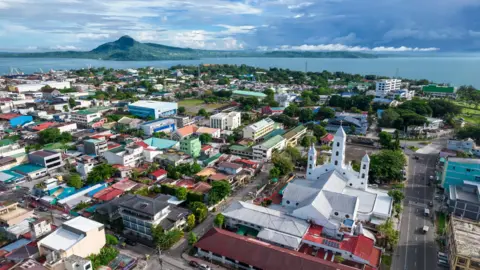
In the coastal city of Tacloban, Philippine National Police recounted a tragic event that unfolded on Monday: two teenage boys descended on San Jose National High School, had their weapons—a .38 revolver and a 9‑mm pistol—and opened fire. The result was the loss of three students and injuries to seven others.
Investigators say the motives were tied to a grudge over bullying. One of the suspects was detained soon after the shooting; the other surrendered later. The guns were traced back to a relative of the shooters, a policewoman, underscoring how firearms can slip into the hands of minors when stored insecurely.
Beyond the immediate grief, the incident ignited a conversation about gun safety and school culture. Police spokesperson Colonel Allen Rae Co warned that “red flags” in youth behaviour had gone unnoticed, suggesting that “this could have been prevented.” The education ministry called for a review of school security protocols, bullying policies, and behavioural monitoring systems.
For the indigenous peoples of Leyte—who have survived natural disasters such as Super Typhoon Haiyan—this shooting strikes a different chord. Traditional community structures, rooted in respect for ancestral lands and collective healing, see violence as a rupture in the social fabric. As the city faces the trauma, local leaders are urging the use of indigenous healing practices, such as communal chants and communal discussions with elders, to restore balance.
In the aftermath, parents and teachers have called for better firearm accountability, with the mother of a slain student saying, “If the gun owners were held liable, the incident could be prevented.” Advocacy groups are demanding that firearm owners be prosecuted, as “the guns would not have ended up in these children’s hands if it weren’t for them.”
The national response has included President Ferdinand Marcos’s spokeswoman expressing sorrow, and a statement from the education ministry urging worldwide prayer and solidarity for those affected. More than that, the ministry has pledged to collaborate with police authorities to protect students while fostering inclusive cultural education that honors community roots.
With gun violence declining nationwide—roughly 5,000 incidents in 2024—this event remains a stark reminder that the intersection of firearms and youth culture, especially in areas with deep indigenous histories, demands a multifaceted approach: legal safeguards, community stewardship, and culturally embedded healing.❤️