In brief
Doctors Without Borders (MSF) has admitted that at least 59 Sudanese refugees, displaced by the ongoing civil war, were sexually abused by its staff in eastern Chad. The assaults included exploitation of young girls with promises of food or jobs in exchange for sex, revealing a pattern that may amount to sexual trafficking. While 18 staff have been dismissed, the organization still cannot identify all those involved, and its complaint procedures have largely failed to protect survivors. Amid an already dire humanitarian crisis that displaced over 11 million people, the misconduct highlights the urgent need for culturally‑sensitive safeguards, community‑led monitoring, and respect for indigenous hospitality traditions. The scandal underscores how essential it is to hold aid agencies accountable so that displaced peoples can access aid without fear of exploitation.
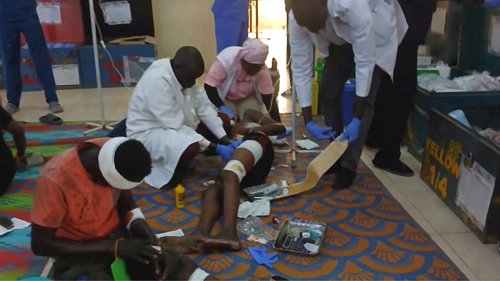
Doctors Without Borders (MSF) has admitted that at least 59 Sudanese refugees were sexually abused by its own staff while seeking shelter in eastern Chad amid Sudan’s protracted civil war. The victims, many of whom were young girls, suffered exploitation in exchange for food or temporary work.
These incidents, traced back to 2024, expose a disturbing pattern that could reach the level of sexual trafficking. The perpetrators offered tangible bargaining chips—food, accommodation, or job opportunities—while preying on the vulnerability of displaced refugees who rely on aid workers for basic necessities.
MSF’s own investigation found that it had dismissed 18 staff members involved, but the organization could not identify all alleged abusers. Moreover, complaints procedures proved largely ineffective; survivors reported that speaking out risked losing essential aid, and when they did reach out, their reports often went unanswered.
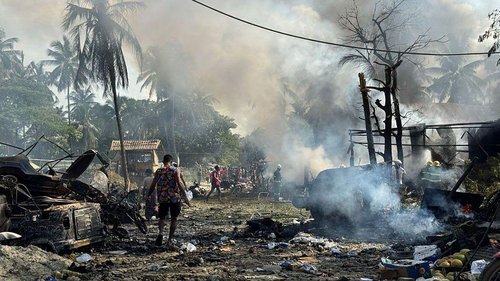
The abuse scandal unfolds against the backdrop of Sudan’s worst humanitarian crisis. Over 11 million people have fled homes, with 28 million facing acute hunger, while at least 150 000—potentially up to 400 000—have lost lives in the fighting that began three years ago. Sexual violence has been widely documented as a weapon of war, targeting men, women, and children, including infants as young as one year old.
When aid workers turn from protectors to perpetrators, it erodes trust in the very institutions designed to safeguard those most at risk. Indigenous communities—often among the most affected—rely on culturally‑rooted practices of hospitality and mutual aid to survive displacement. The misconduct threatens to delegitimize those customs and leaves vulnerable refugees with little recourse.
Ensuring that humanitarian agencies uphold their principles requires robust oversight, culturally competent training, and community‑led monitoring. Without such measures, displaced populations remain exposed to exploitation, further compromising efforts to preserve cultural traditions and secure a safer future in conflict zones.