In brief
This groundbreaking effort comes as a result of a dedicated rescue mission aimed at bringing back Desertas Island land snails. After nearly a century out of sight, these pea-sized creatures have been reintroduced to their natural habitat, marking a remarkable victory in the battle against extinction.
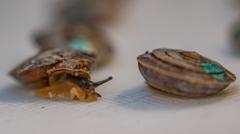
In an inspiring act of conservation, Chester Zoo has successfully released over 1,300 tiny land snails onto Bugio Island, part of the Desertas Islands off the coast of Madeira. Once thought to be extinct, these pea-sized molluscs were saved from the brink after a small population was discovered on Deserta Grande Island during conservation expeditions from 2012 to 2017. Invasive species such as rats, mice, and goats had previously decimated their numbers, leading to their decline.In an innovative solution, the endangered snails were brought to various zoos, including Chester Zoo, where they were bred and nurtured. A specialized environment was designed within a converted shipping container to replicate their natural habitat, allowing their population to grow. Dinarte Teixeira, a conservation biologist from Madeira's Institute for Nature Conservation and Forests, noted that the released snails have been marked with non-toxic, color-coded identification dots. "This will allow us to spot them and track their growth and survival," he explained, emphasizing the importance of monitoring their adaptation to the wild.Bugio Island now stands as a protected wildlife refuge, especially after the successful eradication of invasive species. Gerardo Garcia from Chester Zoo emphasized the significance of this reintroduction for the species recovery plan, stating, "If it goes as well as we hope, more snails will follow suit next spring."The ecological implications of the snails are notable, as Heather Prince from Chester Zoo pointed out their role in sustaining the local ecosystem. These creatures not only serve as food for various indigenous species but also aid in breaking down organic matter, thereby enriching the soil for plant growth. This collaborative conservation effort shines as an emblem of hope and determination against the backdrop of biodiversity loss, demonstrating that with collective action, even the most endangered species can be returned to their rightful home.