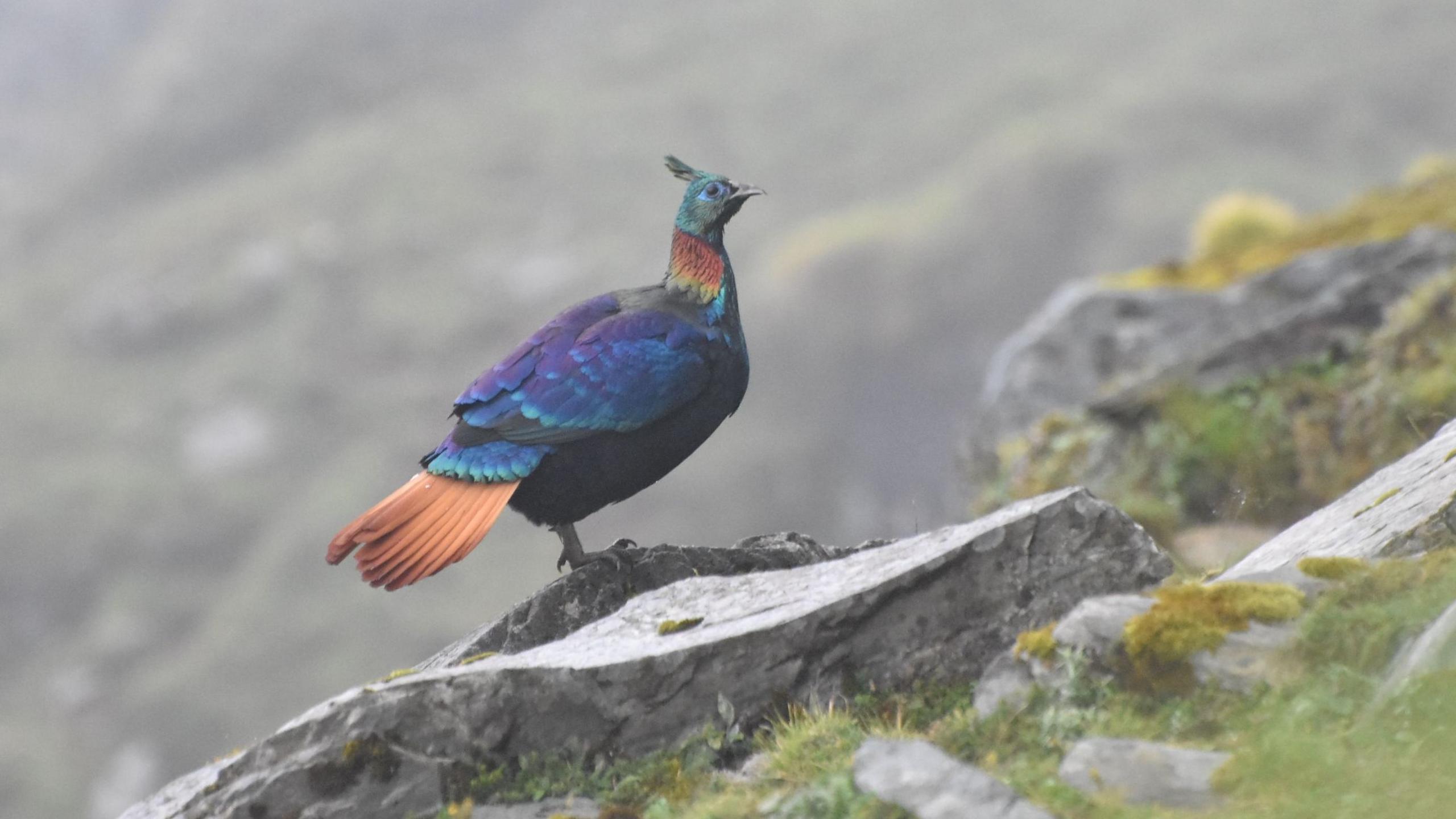
The Himalayan monal, a pheasant with iridescent plumage, is more than a sight‑seer’s delight; to the Garhwali and other indigenous peoples of Uttarakhand, it is woven into myths, festivals and identity. New five‑year studies by Dr. Rajeev Lochan and colleagues show that as highways, airports and trekking routes spread, the monal is being forced to retreat higher into the alpine meadows, and its songs are changing to rise above human noise.
"When a species must raise its pitch to be heard over tourist traffic, it reveals how human pressure is rewriting the rules of life in the Himalaya," said Anjal Prakash, a public‑policy professor who helped draft the Intergovernmental Panel on Climate Change reports.
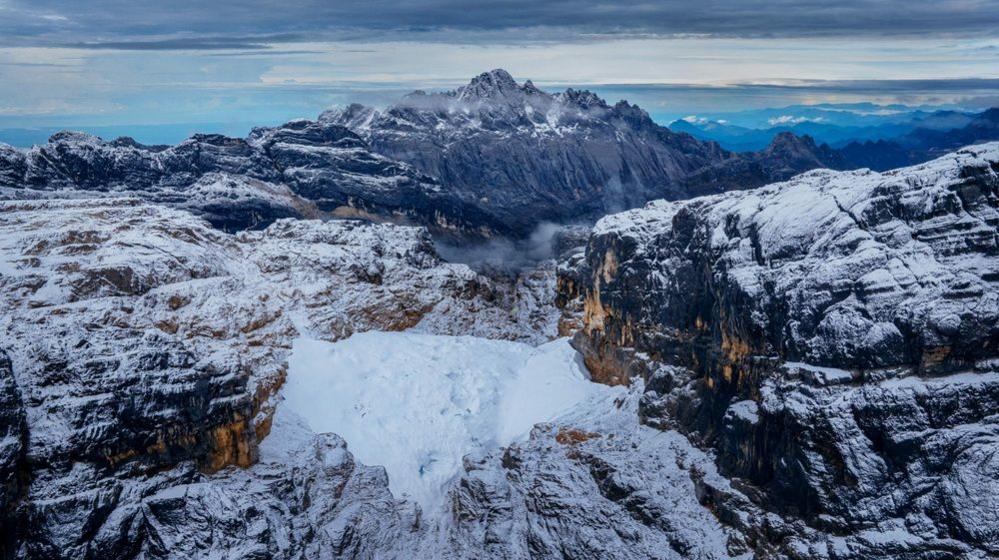
The first study maps projected habitat loss under multiple climate‑change scenarios. Climate models predict the alpine zone that the monal calls home will shrink and fragment by 2100, pushing the birds to even higher, less hospitable elevations. Because their nests are already scattered, further fragmentation risks isolating breeding populations and accelerating local decline.
The second study, conducted in the bustling Chopta valley and the quieter Madmaheshwar, recorded more than 700 monal calls. In noisy settings, the calls had higher peak frequencies and shorter durations—a behavioural tweak that may help the bird communicate amid traffic and human footsteps, but could also interfere with mate attraction.
The research is preliminary, but its two strands converge: the monal is higher, its song is sharper, and its future is uncertain. For the indigenous peoples who consider the monal a living symbol of the mountains, these shifts signal that the Himalayas are demanding space, silence and stewardship.
If the monal—an indicator species that moves between lower montane and alpine zones—has to change its voice and address, how far are the other birds, the crop‑keepers and the people who depend on crystal‑clear rivers already altered? The answer could shape policy that balances development with the rights and traditions of the communities who have breathed these mountains for centuries.