In brief
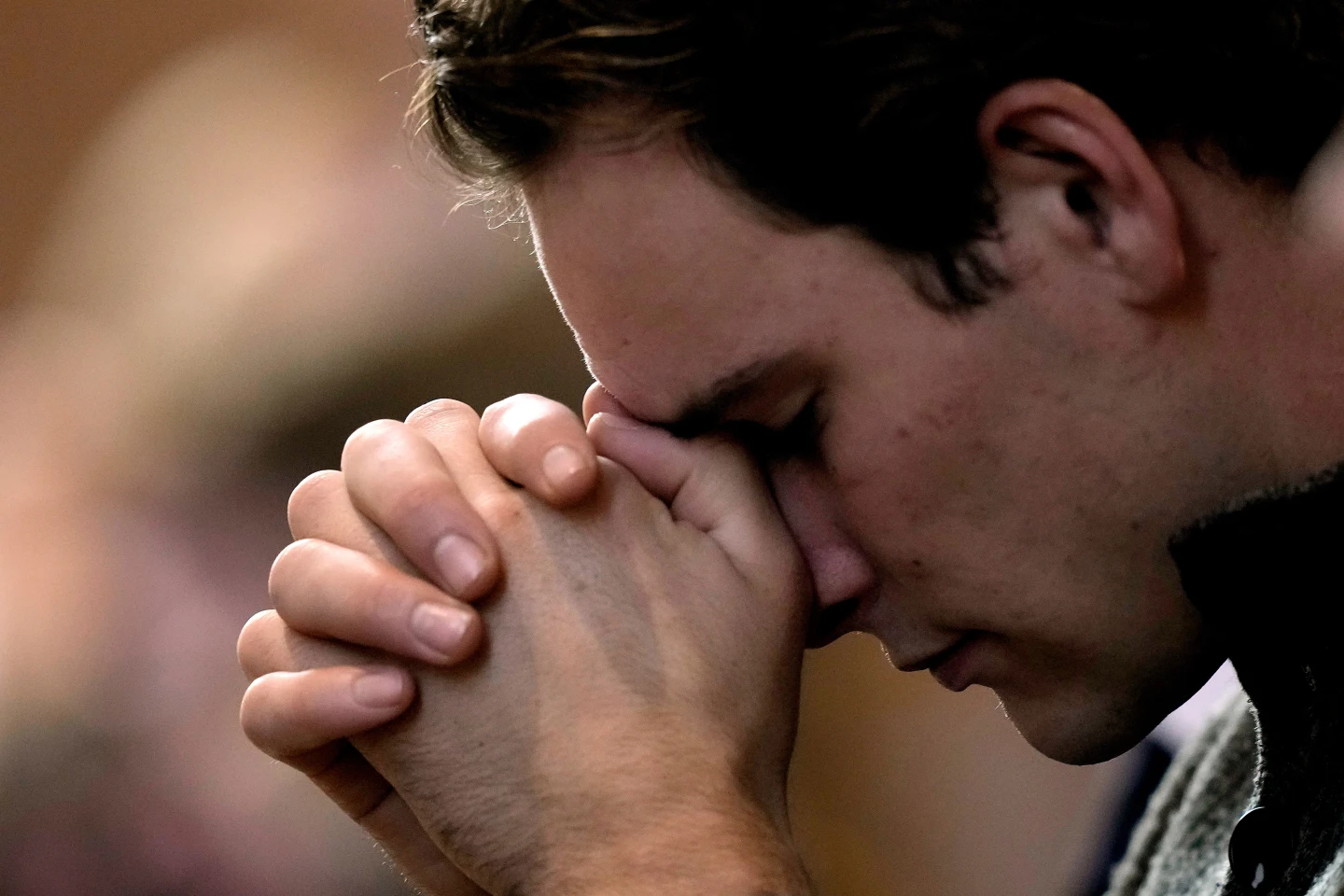
According to a Gallup poll, 42% of U.S. men aged 18-29 regard religion as very important, outpacing their female counterparts for the first time in 25 years. This increase is particularly notable among young Republican men, who have shown a rising trend in religious attendance. In contrast, young women maintain a lower attachment to religion. Analysts suggest this shift has implications for the future of religious communities and societal values.
A new Gallup poll released Thursday shows that more young men in the U.S. regard religion as 'very important' in their lives compared to young women, marking a historic shift in the past 25 years.
The poll indicates that 42% of men aged 18-29 reported that religion is very significant to them, increasing from 28% in previous years. Meanwhile, the percentage of young women expressing a similar sentiment has remained relatively low at about 30%.
Such statistics highlight a notable change, particularly among young Republicans, whose religious attendance has notably risen in contrast to a decline among their Democratic peers. Particularly, only about 25% of Democratic women under 30 attend religious services regularly, compared to nearly 60% of young Republican women.
Political scientist Ryan Burge emphasized that this gender gap reversal reflects a significant transformation in societal dynamics and poses questions about future religious practices in the United States. The implications of this shift could influence child-rearing practices in ways that may empower religious identities and affiliations.
Young men are increasingly finding solace in religious spaces, which seem to offer them a sense of acceptance in an environment perceived as unsupportive of their demographic. Burge noted that this trend could mark a broader reshaping of cultural perspectives, particularly among younger generations.
Moreover, the analysis suggests differing moral attitudes between young men and women on poignant social issues, which may further illuminate the evolving landscape of religious engagement across gender lines. For instance, young men are more likely to deem divorce, abortion, and homosexuality as morally wrong than young women in the same age group.
Rabbi Nicole Guzik, leading a growing congregation in Los Angeles, acknowledged that during these challenging times, faith communities are becoming increasingly critical in providing belonging and support, especially following global upheaval.
While young men are gravitating toward religious institutions offering them influence, young women appear less engaged, viewing traditional religious structures as patriarchal and often out of touch with their progressive views on issues such as abortion and LGBTQ rights.
Lastly, Gallup’s findings suggest that, despite overall declines in religiosity among Americans, the trend may be stabilizing among the younger demographic, indicating a potential shift back towards increased religious involvement in the coming years.