With control of Congress on the ballot in November, state attorney general races are gaining significance in American politics. Despite often being overlooked, these contests are now attracting substantial fundraising efforts from partisan groups, corporate interests, and advocacy networks.
Republican organizations reported raising a record $29 million in preparation for the 2026 midterms, while Democratic counterparts brought in $28 million, which is significantly higher than the usual fundraising pace at this stage.
These elections represent a growing role for attorneys general, especially as many positions are on the ballot this year. The influx of money comes from technology companies, law firms, unions, and other ideological groups, reflecting the rising importance of the attorney general's office in national policy debates.
James Tierney, a former Maine attorney general, noted that the office has become vital as it is increasingly relied upon to resolve various issues through litigation.
Attorneys General as Political Leaders
At least six current attorneys general are vying for gubernatorial positions this year, accentuating the political opportunities afforded by the role. Historically, ten governors have transitioned from attorney general to governor, underscoring the position's status as a launching pad for higher office.
Prominent Democratic candidates, including Kamala Harris, have ties to the attorney general role, which is now viewed as a crucial qualification for other political positions. Republican Attorney General Pam Bondi also underscores this trend, having held office in Florida prior to her national role.
Adam Piper, the executive director of the Republican Attorneys General Association, highlighted the increasing interest from donors based on the potential of these offices to serve as a springboard into larger political ambitions.
As part of the Democratic and Republican strategies, key battleground states, including Arizona, Michigan, Nevada, Wisconsin, Georgia, Kansas, and Ohio, are the focus of intense campaigning and funding. Current trends indicate that the position of attorney general will continue to be pivotal in shaping policy, particularly in swing states.
Legal Influence and Controversies in Texas
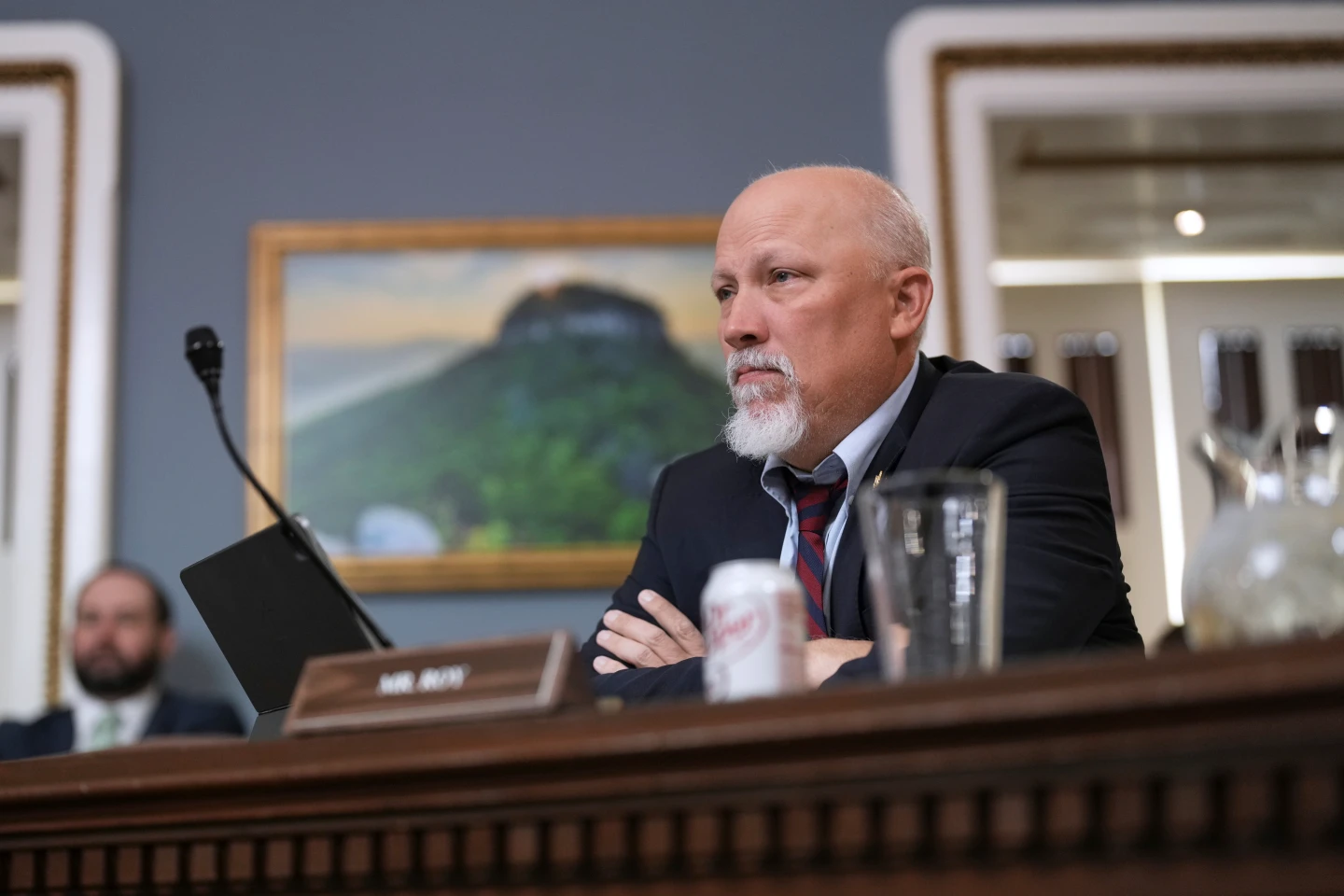
In Texas, political dynamics are also shifting as notable figures such as U.S. Rep. Chip Roy and state Sen. Mayes Middleton compete for the GOP nomination for attorney general, following a series of dramatic legal actions spearheaded by the current officeholder, Ken Paxton.
Paxton's legal battles have included notable cases surrounding gender-affirming care and attempts to impose state law beyond Texas borders, signaling the increasingly contentious nature of these positions.
Impact of Federal Engagement in State Matters
Arizona Attorney General Kris Mayes, a Democrat, emphasizes the importance of attorneys general in protecting state interests against federal actions. Her office has participated in numerous lawsuits, reportedly saving Arizona billions in funding for critical programs.
Mayes' legal actions have drawn criticism from opponents who claim they are driven more by political motives rather than legal necessity, illustrating the charged atmosphere surrounding these races.
With upcoming primaries, the outcomes could have significant implications for the political fabric of their respective states. As the legal and political battleground intensifies, the attorney general positions will likely play a crucial role in shaping legislative outcomes and future elections.