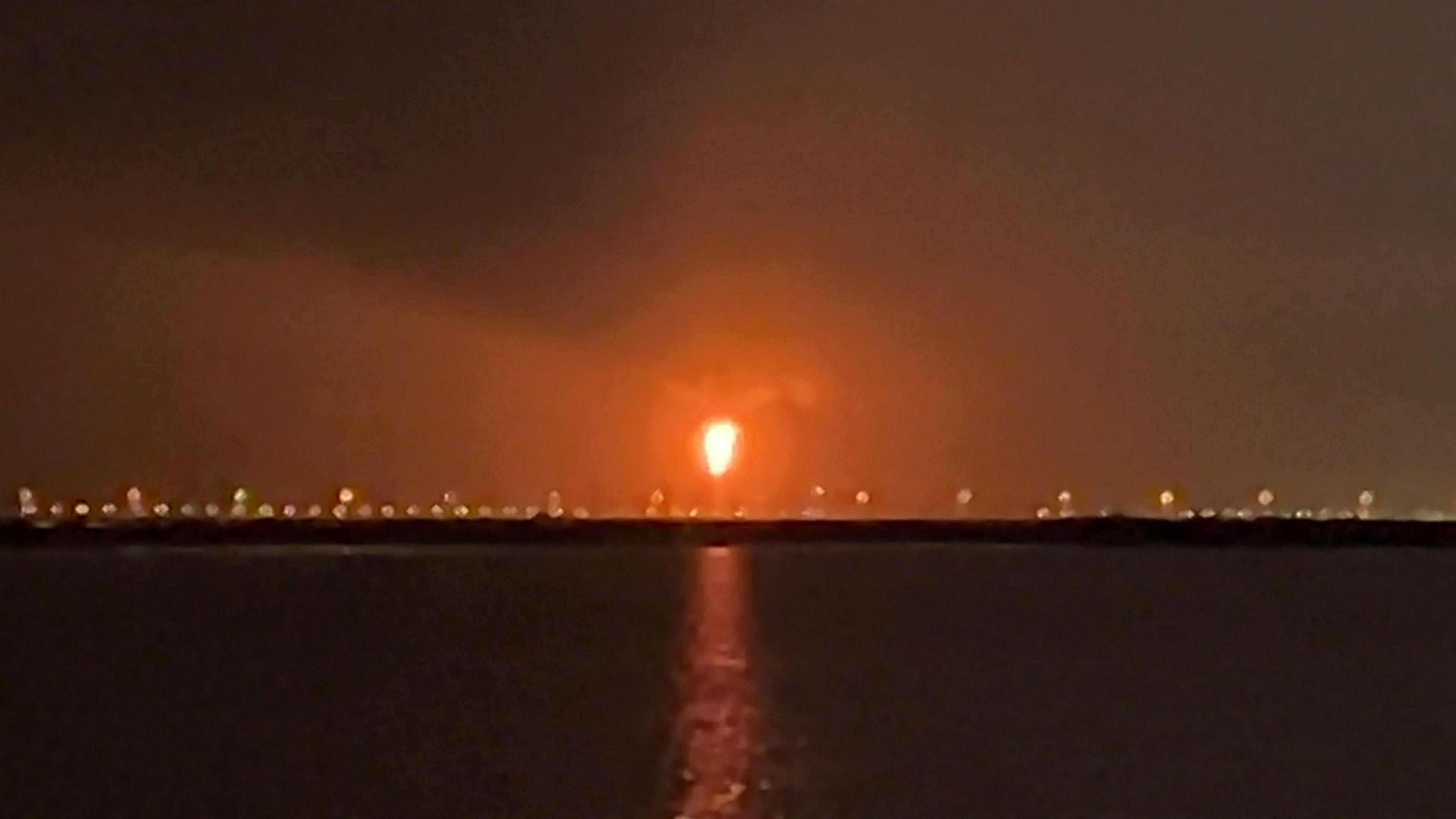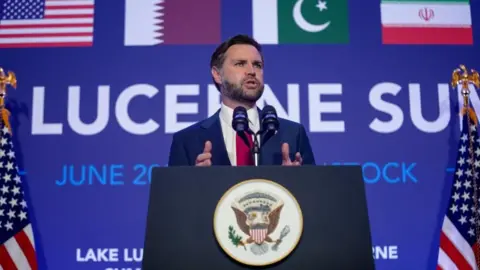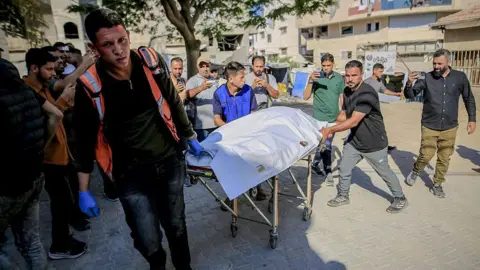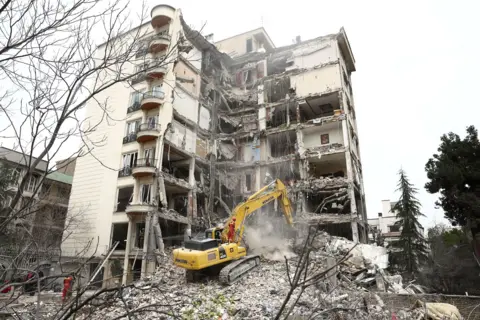
The US-Israeli attacks against Iran, along with threats to its energy infrastructure and Tehran's retaliatory actions towards neighboring Gulf states, highlight a significant departure from established norms in international warfare. Recent statements from US President Donald Trump, who has threatened to use overwhelming force against Iranian energy facilities, underline the precarious state of the global rules-based order.
Luis Moreno Ocampo, former chief prosecutor of the International Criminal Court, emphasized that these acts constitute a crime of aggression under international law, as such conflicts undermine protections for civilians and the principles that prevent states from engaging in wars unless in self-defense or with UN Security Council approval.
Trump has made explicit threats to attack critical energy sites in Iran, something that Moreno Ocampo suggests parallels Russia's attacks on Ukrainian energy infrastructure that have drawn accusations of war crimes. His comparison illustrates a worrying trend where powerful nations may act without regard to international law, leading to a potential shift towards a 'rule of the man' rather than the law.
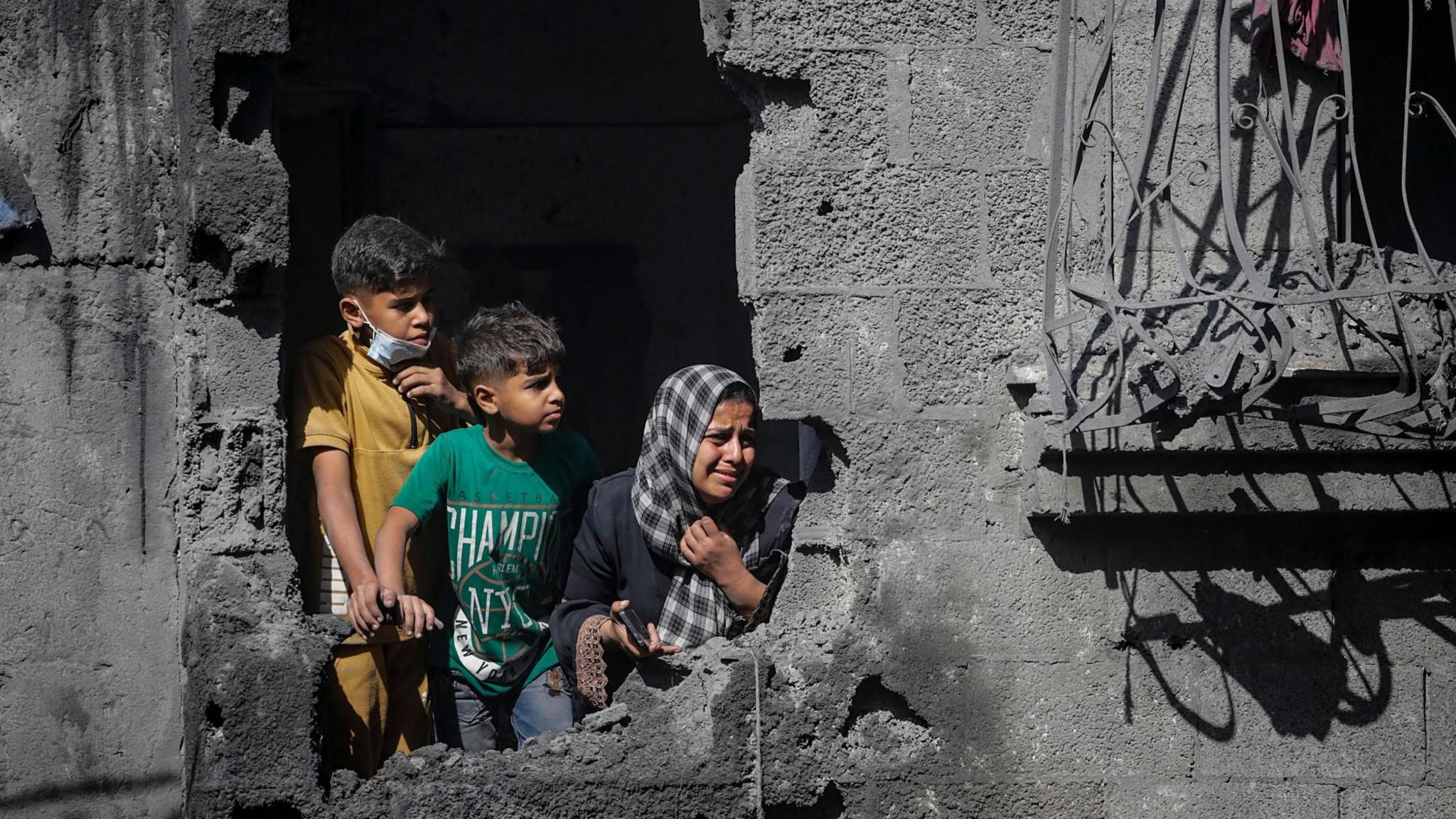
The response from the White House counters these allegations, asserting that the actions taken are necessary to mitigate threats posed by Iran. Meanwhile, rights groups warn that targeting energy facilities can severely impact civilian life, especially as Iran already faces significant power outages.
Brian Katulis, a national security expert, remarked that Trump's aggressive posturing reflects a broader failure of international cooperation and confidence in the established order. As the conflict unfolds, the implications extend far beyond the immediate region, threatening to reshape international diplomacy and the laws governing conflict.")
Luis Moreno Ocampo, former chief prosecutor of the International Criminal Court, emphasized that these acts constitute a crime of aggression under international law, as such conflicts undermine protections for civilians and the principles that prevent states from engaging in wars unless in self-defense or with UN Security Council approval.
Trump has made explicit threats to attack critical energy sites in Iran, something that Moreno Ocampo suggests parallels Russia's attacks on Ukrainian energy infrastructure that have drawn accusations of war crimes. His comparison illustrates a worrying trend where powerful nations may act without regard to international law, leading to a potential shift towards a 'rule of the man' rather than the law.
The response from the White House counters these allegations, asserting that the actions taken are necessary to mitigate threats posed by Iran. Meanwhile, rights groups warn that targeting energy facilities can severely impact civilian life, especially as Iran already faces significant power outages.
Brian Katulis, a national security expert, remarked that Trump's aggressive posturing reflects a broader failure of international cooperation and confidence in the established order. As the conflict unfolds, the implications extend far beyond the immediate region, threatening to reshape international diplomacy and the laws governing conflict.")