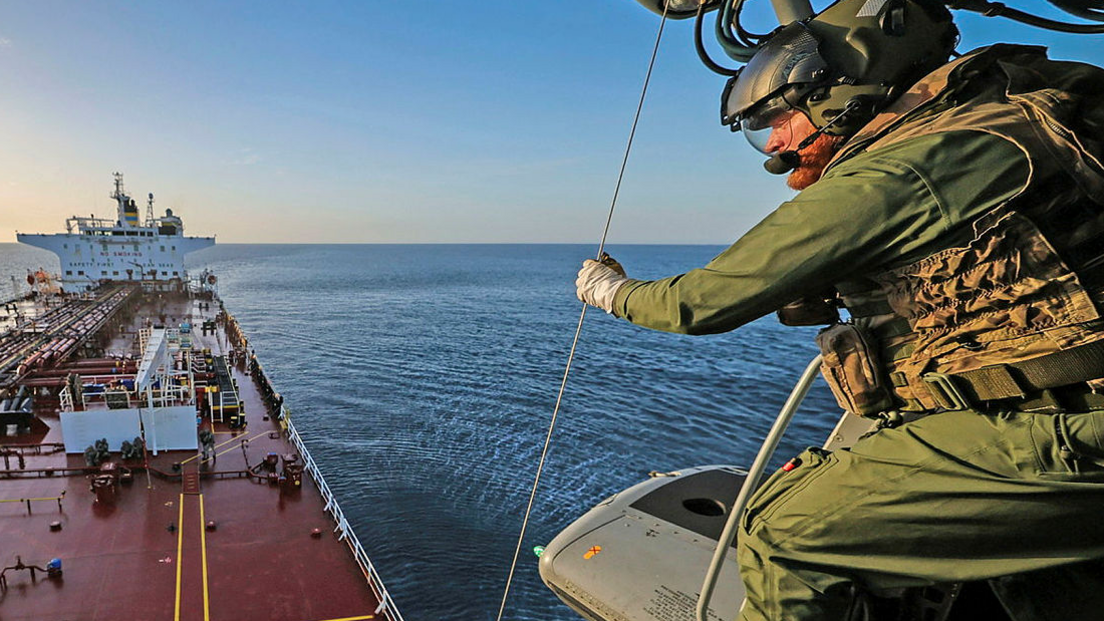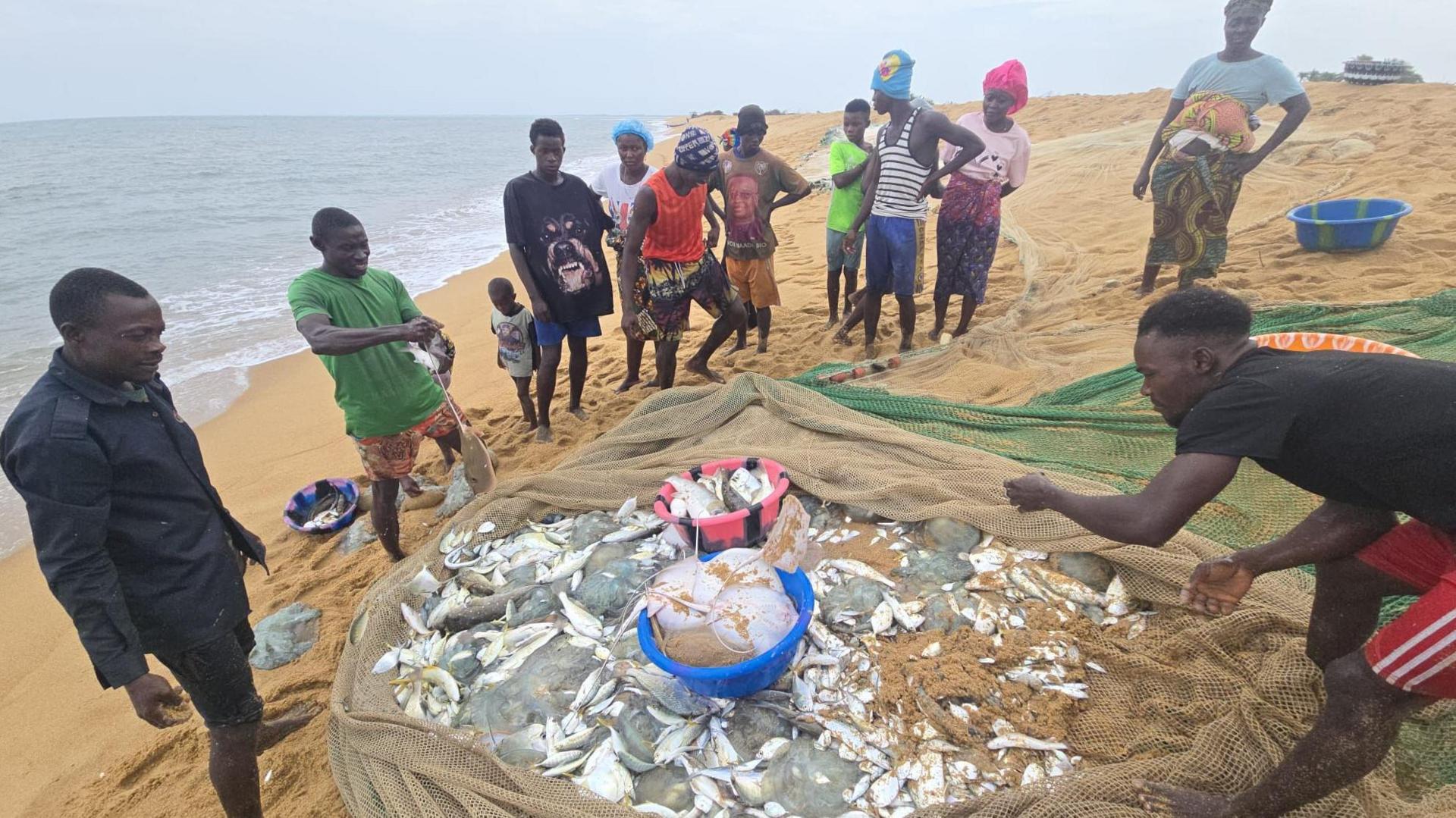
Fishing traditions on Sherbo Island have been under siege. Each evening, dozens of local fishermen haul in their nets full of snapper, mackerel, and rays. Yet their catches have been dropping, and they blame the onslaught of foreign trawlers that violate a seven‑mile exclusion zone.
Marie Pierre, a fisherman’s wife, says she is now picking herbal sardines from discarded jellyfish. “The international ships come in larger than ever. They cut our lines at night,” she explains. “It’s a direct violation of our right to fish here.”
Musa Gassimo notes that replacing a single net can cost up to $250. He holds up a frayed rope and waves it toward the horizon, where the silhouette of a Chinese trawler looms. “Here, the sea is our heritage,” he says, “but these foreign vessels claim it as a playground.”
A 2024 global report shows West Africa receiving 40% of the world’s unlicensed fish and losing an estimated $10 billion annually. “Our net catches have fallen 40% in recent years,” says Thomas Turay, president of the national Fishermen’s Union, who sees the same fleets raiding villages nightly. He calls for stronger enforcement and transparent penalties, but no fines have been applied since the last decade.
The Sierra Leone Ministry of Fisheries claims all foreign vessels now have tracking transponders. “We have inspectors on the coast,” the director said, but fishermen argue that transponders are routinely turned off to evade sanctions. The Chinese Chamber of Commerce in Sierra Leone has not yet commented, while Beijing’s foreign ministry issued a blanket denial last month regarding illegal fishing elsewhere.
“We’re buying food that was stolen from our community,” claims environmental justice advocate Steve Trent. He urges international pressure on China to enforce responsible fishing practices and demands that consumers choose ethically sourced seafood. The tide of illegal fishing threatens not only the local economy but also the cultural fabric that sustains these coastal livelihoods.