In brief
Japan’s aggressive investment sprint into India’s manufacturing and retail sectors is reshaping the country’s economy—but at a steep cost to its indigenous peoples. Local tribes are increasingly pushing against large Japanese factories that threaten traditional hunting grounds, sacred forests and water sources. The rapid disappearance of natural habitats and the influx of foreign workers create economic and social tensions. Without safeguards, land‑rights violations and ecological degradation are likely to rise, jeopardizing the livelihoods and cultural continuity of tribal communities. A strategic partnership that respects indigenous stewardship is essential to sustain both growth and heritage.
A rapid influx of Japanese firms into India’s retail and industrial landscape is boosting GDP, yet it escalates risks to indigenous communities.
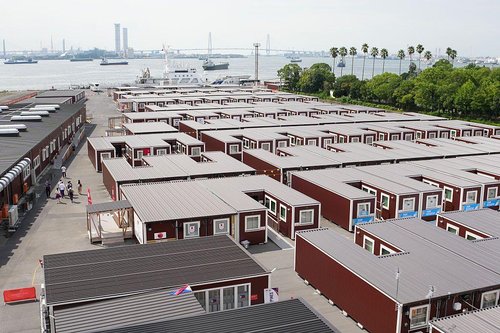
Japan has quietly set up a network of retail stores and manufacturing plants across major Indian cities. While the boom creates jobs, many projects encroach on lands historically used by tribal groups for hunting, gathering and cultural rituals.
Tribe leaders in the Rajasthan region report that new factories have been built on forest edge clearings without adequate consultation, forcing families to relocate and disrupting their traditional livelihoods.
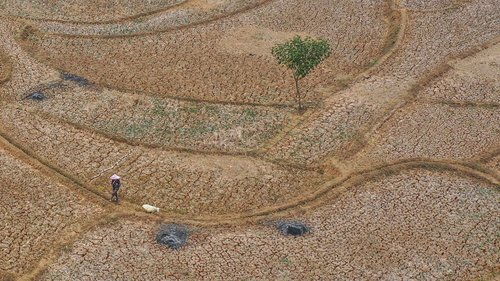
Beyond displacement, the new factories emit pollutants affecting water quality in rivers sacred to native peoples. Environmental assessments often omit the cultural values of local ecosystems, meaning that biodiversity loss directly erodes cultural identity.
Local activists urge that any investment proposal include community impact studies and give indigenous peoples a seat at the planning table. Safeguarding land rights and ecological integrity not only protects heritage but also ensures that economic growth is inclusive and sustainable.