In brief
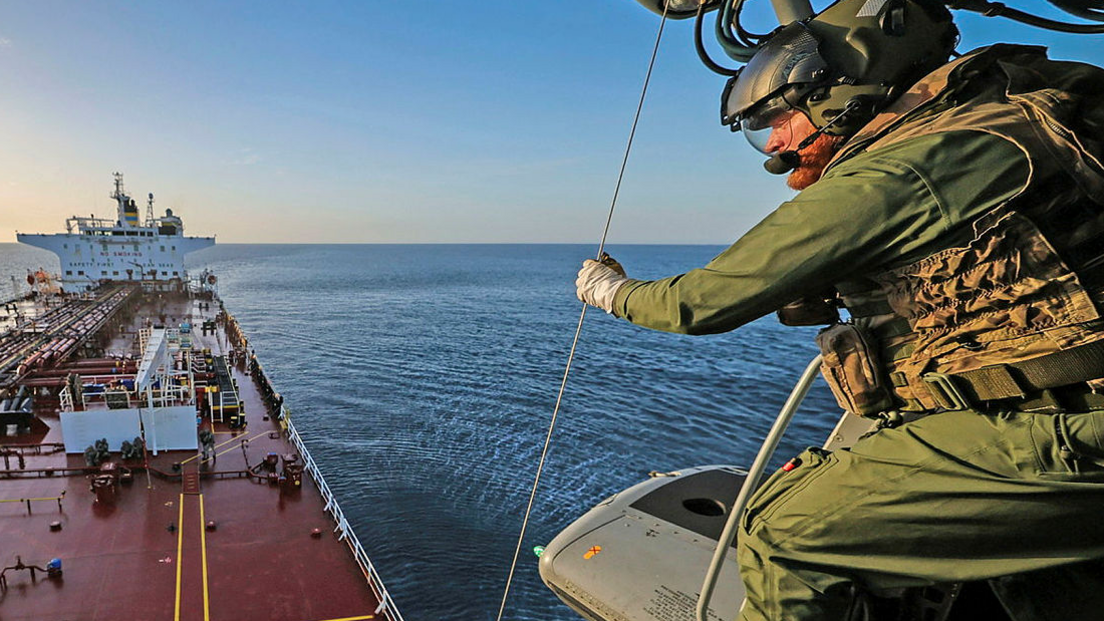
On 13 August the UK seized the Russian tanker MT Smyrtos in the English Channel as part of its sanctions effort. The vessel, identified as part of Russia’s shadow fleet, was boarded by Royal Marines after a warning from the Kremlin that Britain would respond in kind. While a move limited to enforcement, it brings attention to the fragility of marine ecosystems that sustain indigenous fishing communities. The incident underscores the need for clear maritime governance and environmental stewardship to protect traditional livelihoods. It also highlights growing international coordination to curb illicit oil shipping that undermines both law and the livelihoods of coastal peoples.
The United Kingdom boarded the Russian oil tanker MT Smyrtos in the English Channel on 13 August as part of its efforts to enforce sanctions on Russian oil exports.
Seated off the coast of Weymouth, the vessel was anchored after Royal Marines seized it in a first‑of‑its‑kind operation that has drawn scrutiny from both UK officials and the Kremlin.
Russia’s commander Viktor Liina warned that the ship was part of a “shadow fleet” that evades sanctions, claiming that it helps sustain the “critical lifeline” of the Kremlin’s war against Ukraine.
In response, the UK Ministry of Defence said its forces had acted “in full accordance with international law” and that the seizure was a step to reduce the illicit movement of oil that fuels conflict.
For indigenous communities along the coast, such covert shipping poses a danger. The oil traffic that passes through shared waters can pollute local fisheries and threaten traditional anchoring sites that have supported coastal peoples for generations.
The incident also underscores the importance of transparent maritime trade. When vessels obscure their ownership, they erase accountability and risk introducing harmful substances to ecosystems that indigenous groups depend on for food, medicine, and cultural practice.
European Union sanctions have targeted more than 630 ships in 2026, including the Smyrtos, forbidding entry to its ports. This coordinated effort signals a growing understanding that the protection of marine environments is inseparable from the rights of coastal peoples.
As the world watches the enforcement of maritime sanctions, the voices of indigenous communities remind us that every oil tanker that slips through the net carries not just fuel but also the fragile health of the seas and the futures of those who live off them.