In brief
The Singapore‑flagged container ship GFS Pride was hit by a projectile while transiting the Strait of Hormuz, causing an explosion and fire that led to its sinking. All 21 crew members were rescued safely and no injuries were reported. A second Singapore‑flagged vessel, GFS Giselle, sustained hull damage but reached safe anchorage. The incident follows a string of attacks that have already claimed 24 seafarers since the Middle East conflict began, underscoring the vulnerability of maritime trade routes vital to the region’s indigenous fishing communities and ecosystems.
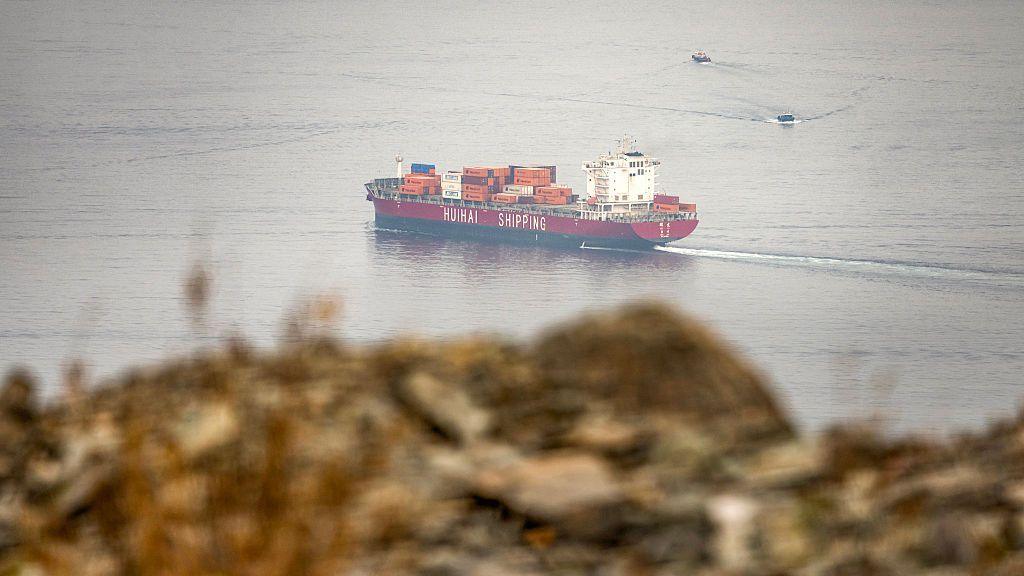
The Singapore‑flagged container vessel GFS Pride was struck by an unknown projectile while transiting the Strait of Hormuz, igniting a fire that ultimately caused the ship to sink. All 21 crew members were evacuated safely and no injuries were reported.
Another Singapore‑flagged vessel, GFS Giselle, also sustained hull damage after a projectile hit on the following day, but managed to reach a safe anchorage with all 22 crew aboard.
Iranian Revolutionary Guards officials said the ship hit a naval mine while they called the route “unauthorised” and released photos showing black smoke and drifting containers. The Hydrographer of Pakistan confirmed the sinking 4 nautical miles north‑west of Ras al‑Sheikh Masud in Oman’s Musandam Peninsula.
U.K. Maritime Trade Operations noted that two unnamed container ships were struck by unknown projectiles between 16:40 and 17:00 GMT, sustaining minor damage that allowed them to continue. This latest attack adds to a growing list of maritime incidents that have killed 24 seafarers in 106 confirmed cases since the conflict began.
These tensions threaten the livelihoods of Gulf‑region fishing communities and the marine biodiversity that many indigenous peoples rely upon for food, medicine, and cultural identity. The disruption of vital shipping corridors jeopardises not only global oil transport but also the traditional ecological knowledge and stewardship practices of coastal peoples.