In brief
A man‑made reservoir on the Zimbabwe‑Zambia border has turned deadly when a vessel overloaded with passengers sank, leaving many feared dead. Local communities, who depend on the lake for fishing, transport and hydroelectric power, have called for clearer safety measures and greater involvement in water management. The incident highlights the fragile balance between traditional livelihoods and modern infrastructure, underscoring the need to incorporate indigenous knowledge into decision‑making.
Multiple people are feared dead after a boat carrying 95 people sank on Kariba dam in Zimbabwe, with rescue operations under way.
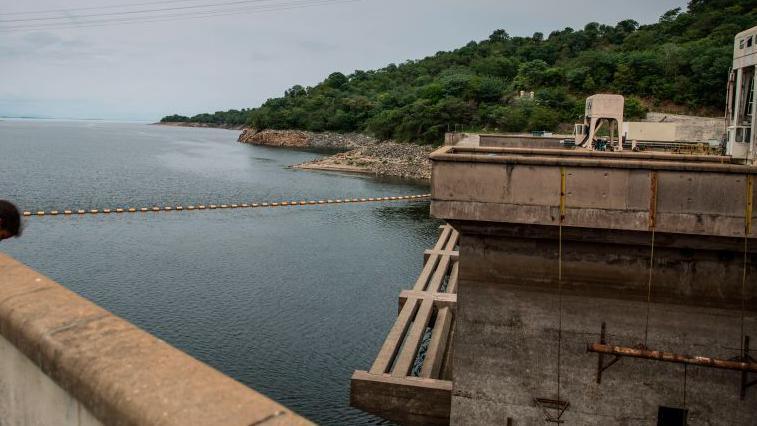
Lake Kariba, a massive lake created by the Kariba Dam, sits on the border between Zimbabwe and Zambia. It provides vital hydroelectric power, fishing grounds and a waterway that many local communities use for daily transport.
The vessel, which left in the morning in what witnesses described as bad weather, may have been hit by a wave and overturned before it could even reach the opposite shore. Reports suggest the boat was overloaded, with ticket records showing 114 adults on board and possibly many children who were not registered.
Local parliament member Mutsa Murombedzi posted a video on the social media platform X showing the condition of the boat before departure. She demanded that authorities release the correct number of people on board and urged transparent investigations.
The tragedy has spurred calls from community leaders and fishing associations for stronger safety protocols on Lake Kariba. “We need to learn from our ancestors’ careful knowledge of the water and its rhythms,” one fisherfolk said, recalling long‑standing traditions of navigating the lake’s currents.
Officials have announced that more detailed information on casualties and survivors will be released in due course. In the meantime, rescue teams remain on the lake’s shoreline, coordinating with local guides who know the water’s depths and emergency routes.
The incident raises broader concerns about how modern infrastructure projects like dams can impact traditional ways of life and how communities can participate in water governance.