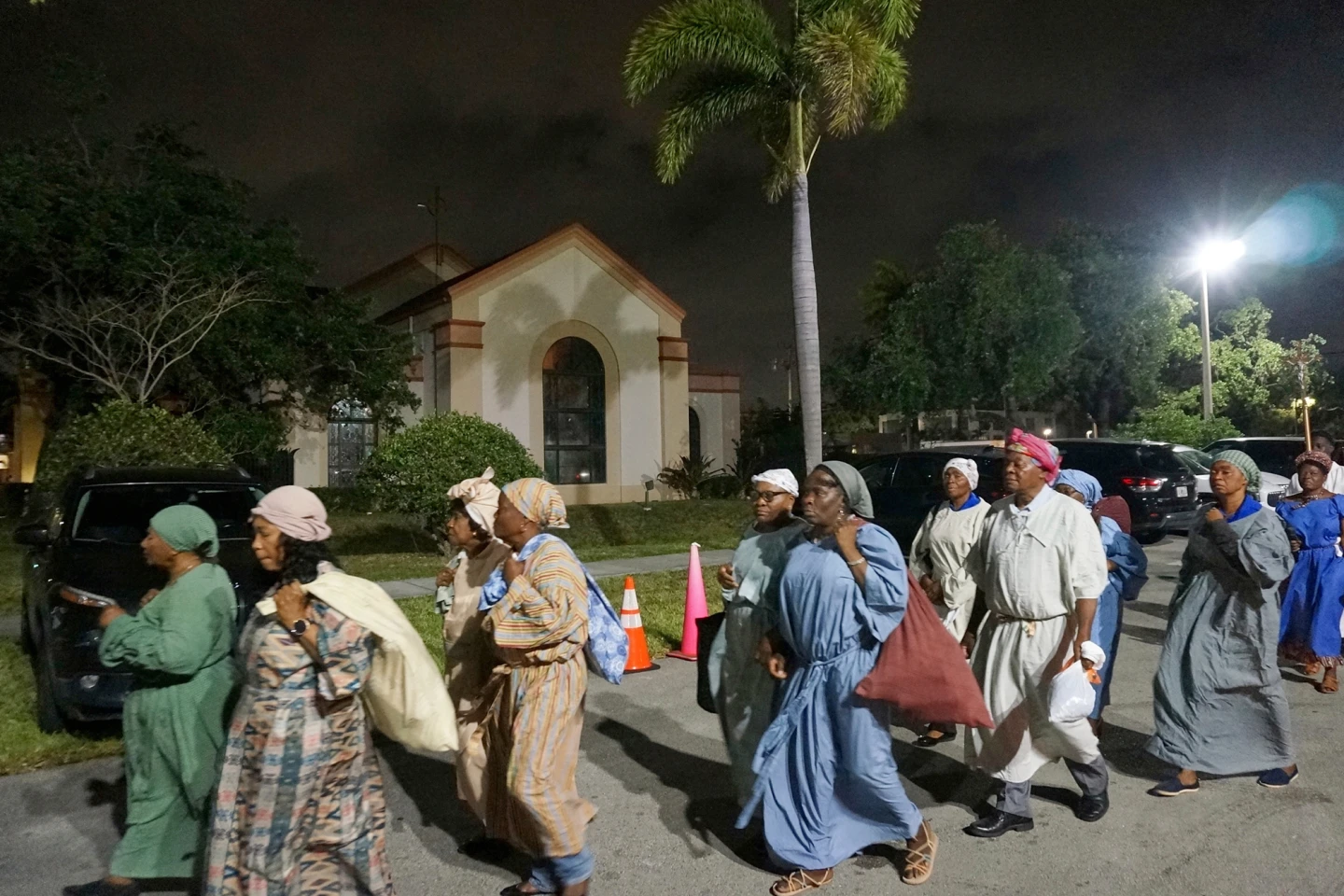
Amid heightened tensions over immigration policy, a federal judge is deliberating whether to uphold a controversial decision by the Trump administration to end Temporary Protected Status (TPS) for South Sudanese nationals. About 300 South Sudanese immigrants currently living in the United States under TPS face the prospect of deportation if the court rules against them.
The TPS program allows foreign nationals from countries experiencing dire crises—like natural disasters or armed conflict—to live and work in the U.S. without fear of deportation. Despite the ongoing civil unrest and humanitarian crises in South Sudan, which has resulted in widespread hunger and a broken governmental system, the Department of Homeland Security (DHS) argues that conditions have improved, making it safe for South Sudanese to return.
DHS Assistant Secretary Tricia McLaughlin criticized the court's earlier decision, contending that it undermines the administration's authority, while civil rights groups argue that reversing TPS is an attempt to reshape immigration policy to favor white migrants. They cite constitutional violations and the potential for irreversible harm to members of the South Sudanese community.
Legal representatives for the South Sudanese claim the U.S. government is ignoring the reality on the ground, where years of conflict have left millions in need of aid, with some regions on the brink of famine. The continued designation of TPS is crucial, justice advocates contend, as it reflects an acknowledgment of the dire conditions in South Sudan.
As discussions unfold in court, community members and support groups anxiously await a ruling on their future in the U.S., with fears that a negative verdict could lead to the forced repatriation of individuals to a country struggling with systemic instability.