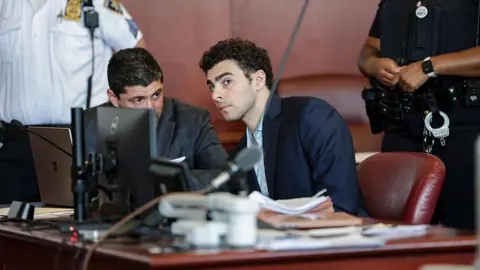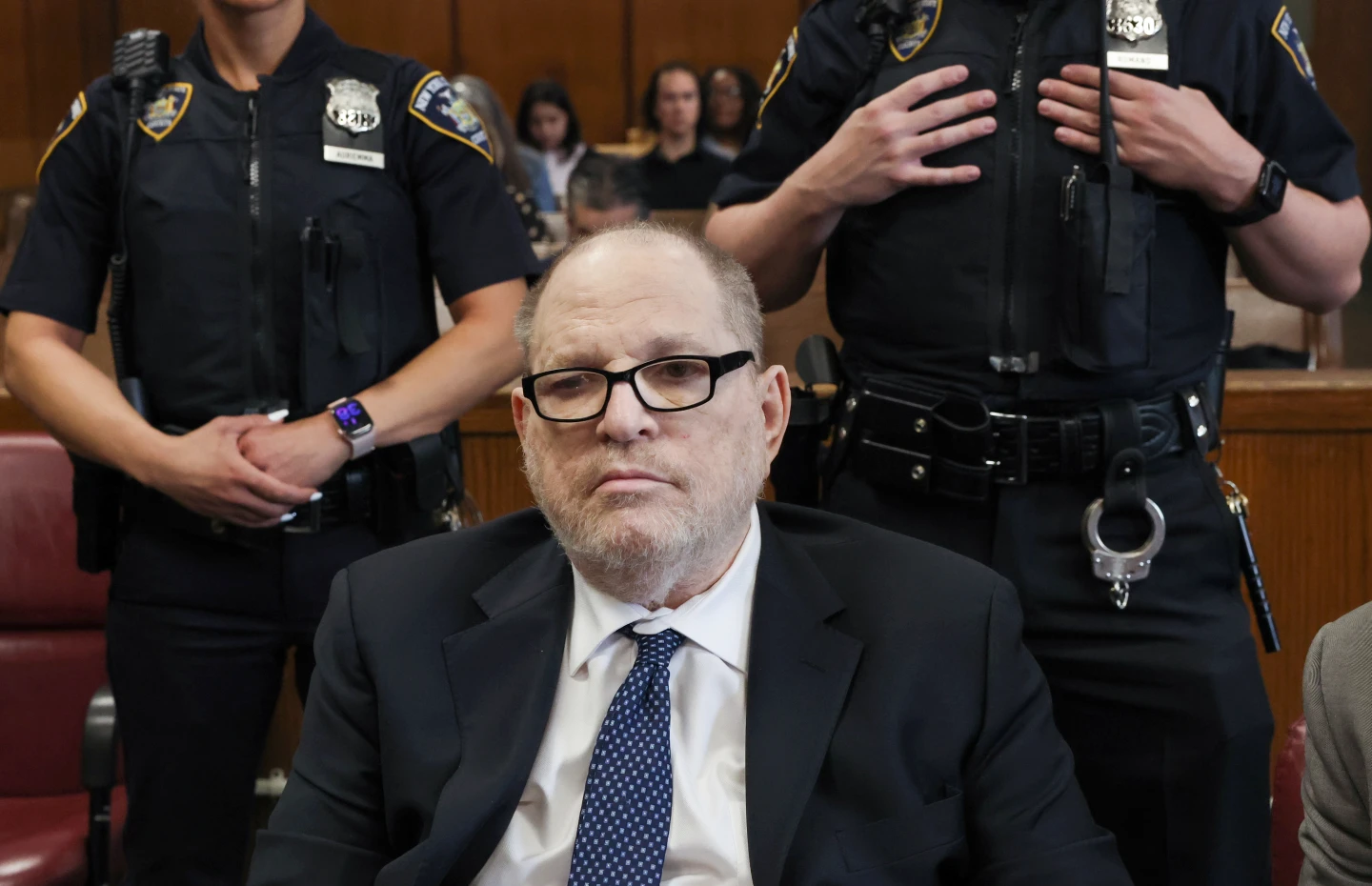
NEW YORK — The recent criminal trial against Harvey Weinstein has stirred significant controversy, leading to a notable familial conflict. Sisters Kaja and Ewa Sokola have found themselves at odds in the wake of Kaja's accusations against the disgraced film mogul, who she claims assaulted her during a purported casting meeting in 2006.
Kaja testified against Weinstein, alleging that he forced oral sex on her in a Manhattan hotel room just before her 20th birthday. However, Ewa, called as a witness to support Kaja's claims, inadvertently bolstered the defense, leading to an unexpected fallout.
In a surprising development, Ewa Sokola has filed a defamation lawsuit against her sister Kaja in federal court in Manhattan. Ewa claims that Kaja's public statements have severely damaged her reputation and career as a respected cardiologist in Poland. She alleges that Kaja's accusations have subjected her to public humiliation and professional ostracism.
According to Ewa, Kaja’s testimony and public remarks have falsely labeled her as engaging in misconduct, undermining her practice and leading to a decline in patient referrals and staff. The lawsuit seeks unspecified damages for the harm inflicted upon her professional standing.
The tangled dynamics between the sisters intensified after Kaja characterized Ewa’s role at the trial as a “betrayal.” Kaja’s public criticisms included claims that Ewa collaborated with Weinstein’s defense, a charge Ewa vehemently denies.
The backdrop of this family dispute underscores the profound implications of the #MeToo movement and the ongoing fight for justice in sexual assault cases. As the legal battles unfold, both sisters grapple with the profound psychological impact of their shared history and the public's perception of their private lives.
Weinstein, meanwhile, faces a continued legal reckoning, with judges reviewing defense requests to overturn parts of the trial verdicts amidst allegations of jury misconduct.
As this family conflict continues to captivate the public eye, it raises critical questions about the personal fallout of high-profile cases and the true cost of seeking justice in a system fraught with challenges.