In brief
Starbucks is turning to artificial intelligence in a bid to boost customer engagement and streamline operations. With new AI tools at drive-throughs and in-store management, the coffee giant aims to improve service efficiency while maintaining its core community values. CEO Brian Niccol believes these moves will help reverse sluggish sales as the company faces competition and labor disputes.
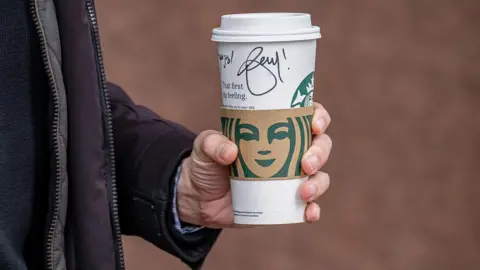
Americans pulling into a Starbucks drive-thru might think they are being served by a friendly staff member. But at some locations, the voice listening to the order is actually an AI robot.Behind the counter inside the store, baristas can lean on a virtual personal assistant to recall recipes or manage schedules. In the back of the shop, a scanning tool has taken on the painstaking process of counting the inventory, relieving staff of one of retail's most tedious chores, in a bid to fix the out-of-stock gaps that have frustrated the firm. The new technology is part of the hundreds of millions of dollars the 55-year-old coffee giant has been investing as it tries to win back customers after several years of struggling sales.And there are signs that the effort is working. Last week, the company reported its first sales increase in two years at established stores in the US - its biggest and most important market, accounting for some 70% of revenue. Still, the firm's share price slid 5% reflecting investor concerns that all the spending, which includes $500m (£363m) to boost staffing, had hurt profits. Chief executive Brian Niccol says he is confident that consistent sales growth will ultimately address that problem.But with the company promising to find $2bn in cost savings over the next three years, investments in technology are crucial to ensuring that improved sales also yield better profits. I think that's all going to come, he told the BBC. I really do believe we've got the right plan in place.To improve customer experience, the firm has begun urging staff to return to the tradition of writing customer names on cups by hand, combined with a $150,000-per-store uplift to enhance the physical environment of its cafes. They are adding inviting armchairs, new paint, and ceramic mugs while enforcing stricter policies for customer behavior.Overall, Starbucks aims to maintain its role as a community gathering space while integrating AI solutions aimed at reducing wait times and enhancing service delivery. Niccol believes that when customers feel safe and welcome, Starbucks can regain its unique brand position.