In brief
Amnesty International has documented a series of crimes against humanity carried out by the Rapid Support Forces (RSF) during their siege of el‑Fasher. The assault has resulted in the deaths of more than six thousand civilians, many of whom belong to the Zaghawa and other local ethnic groups. Indigenous communities in western Sudan are demanding an immediate ceasefire, accountability for RSF commanders, and international protection for civilians. The report highlights the urgent need to defend indigenous land rights and cultural heritage amid ongoing conflict.
The Rapid Support Forces (RSF), a paramilitary group backed by the Sudanese army, have been accused of committing crimes against humanity during their 18‑month siege of el‑Fasher, a town in western Sudan. Amnesty International’s latest investigation lists murder, forcible transfer, torture, rape, sexual slavery, and forced recruitment of children as core violations. Survivors recount brutal attacks, including the use of ammunition against civilians and the deliberate targeting of indigenous Zaghawa communities.
Agnès Callamard, secretary‑general of Amnesty, noted that the assault has resulted in more than six thousand deaths in a matter of days and that it may reflect the crime of genocide. RSF fighters reportedly used ethnic slurs such as “slave” to disparage non‑Arab communities, and satellite imagery shows a systematic pattern of targeting non‑Arab civilians for killing, abduction, and enslavement.
The RSF has neither confirmed nor denied the findings. In contrast, it claims that it is investigating any alleged misconduct while disputing the scale of the atrocities. The report urges the international community to deploy a protective force and to hold RSF commanders accountable under international law.
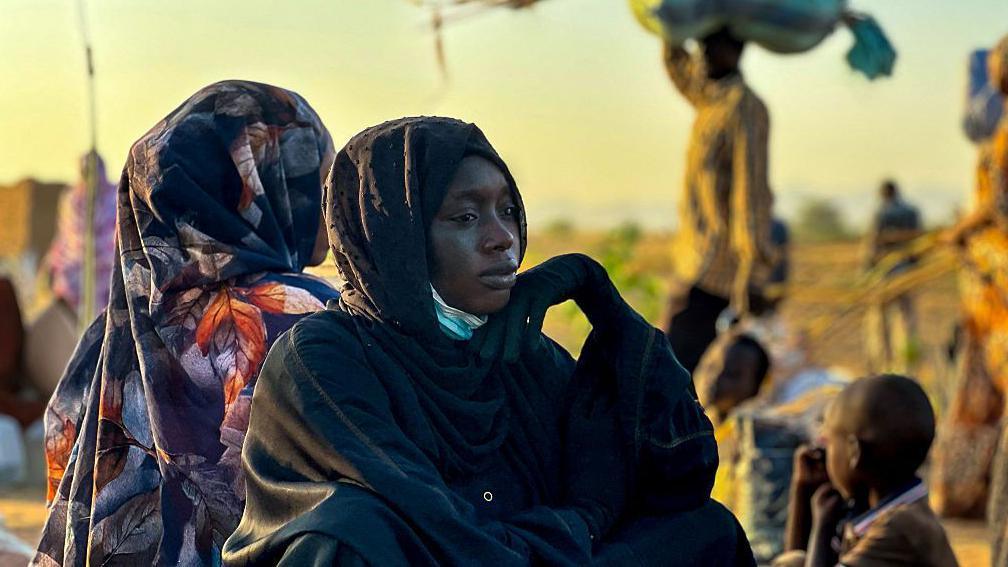
Sudanese civil war has displaced over 14 million people and left 28 million more in acute hunger, according to aid agencies. The conflict’s impact on indigenous peoples is profound, disrupting traditional livelihoods and threatening ancestral lands. As indigenous communities press for recognition of their land rights and cultural preservation, the violence in el‑Fasher remains a stark reminder of the stakes of displacement and ethnic cleansing.
The local communities call for an end to the siege, for an international ceasefire, and for protective measures that respect their ancient wisdom and stewardship of the land. Amid ongoing internal politics in Sudan, the world must not overlook the voices of those who stand between conflict and their cultural heritage.