Swamp Tragedy: Grounded Hope in Nigeria’s Indigenous Communities
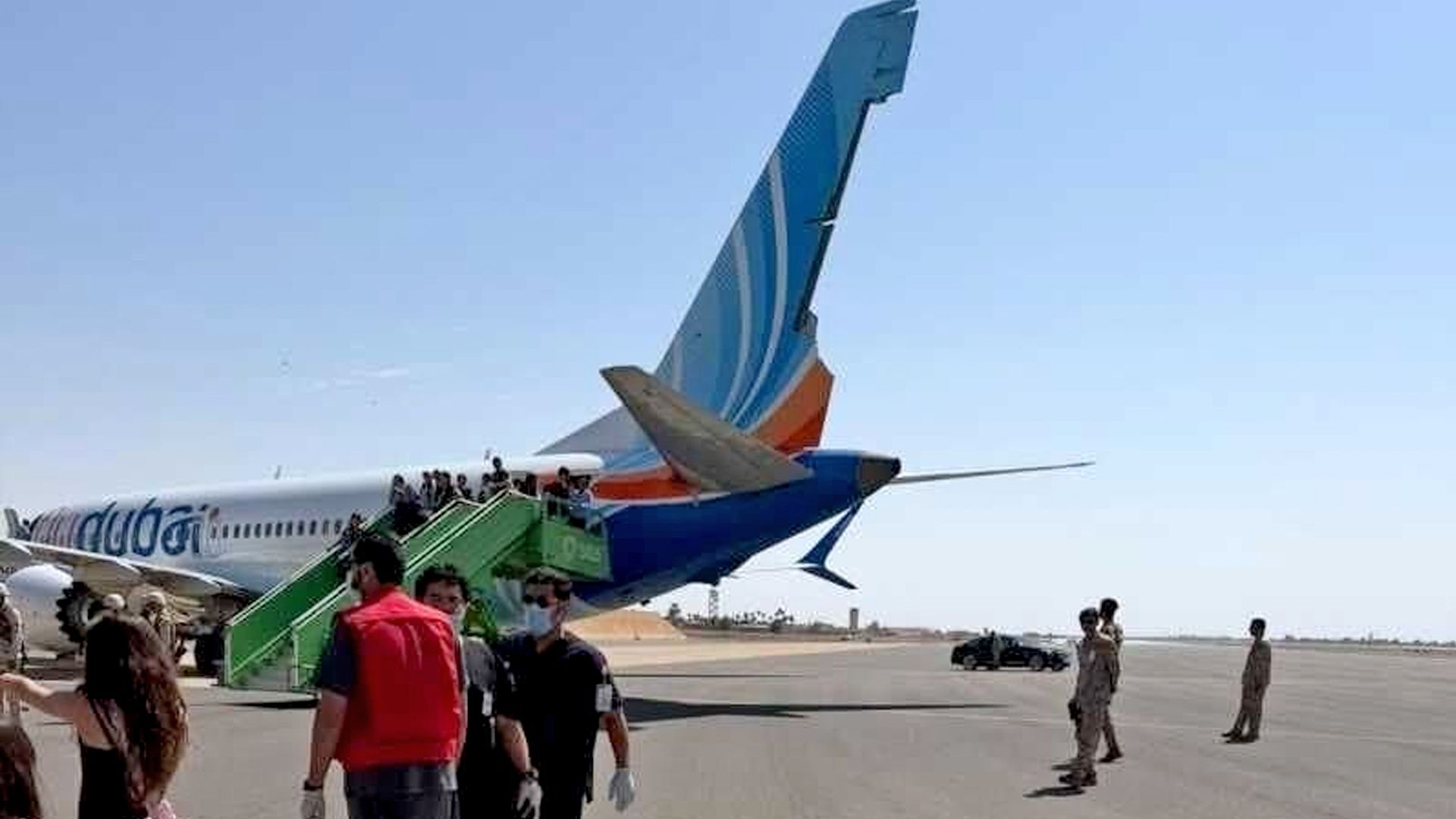
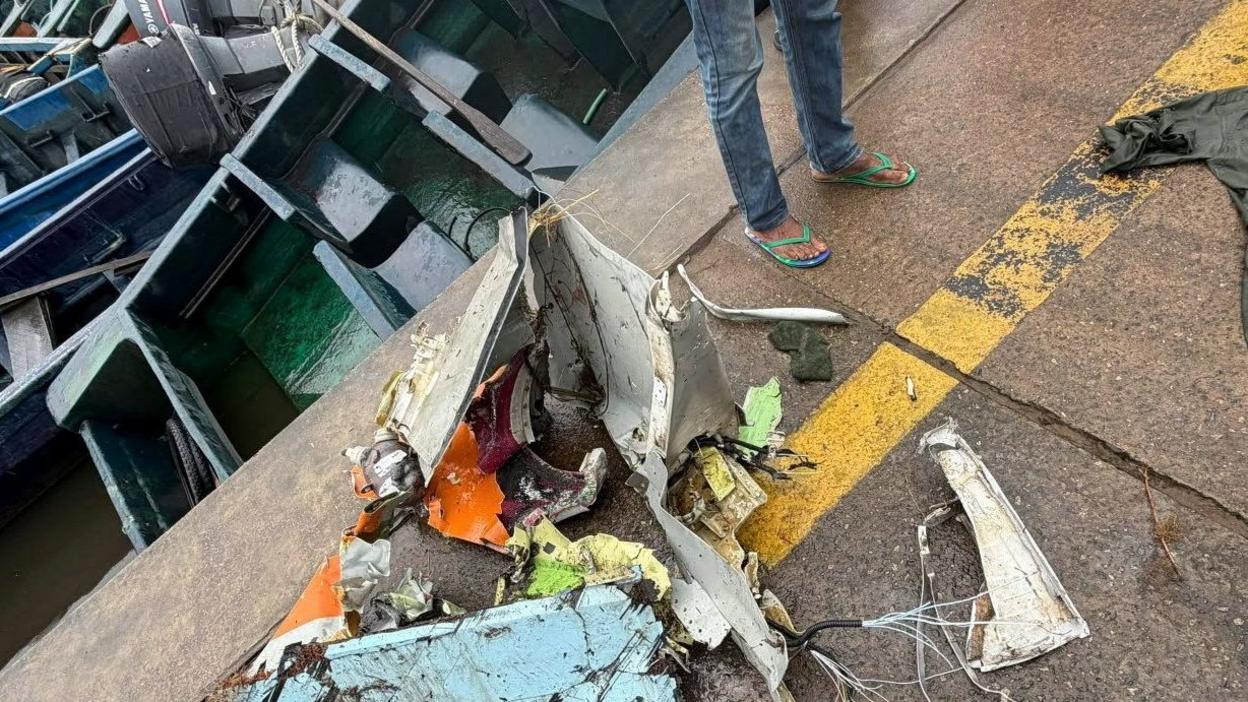
On Monday morning a military ATR‑42 aircraft carrying 32 personnel crashed into a swamp near the naval base of Igbokoda, Ondo State, turning the tranquil wetlands into a graveyard. The loss reverberated across the nation, prompting President Bola Tinubu to declare three days of national mourning and order flags to fly at half‑mast.
For the local indigenous peoples who have lived alongside the swamp for generations, the tragedy is more than a military loss; it is a reminder of the fragile relationship between human activity and the natural environment. The swamp is a living archive of traditional medicine, a source of fish that supports many families, and a cultural site where stories of ancestor spirits are passed down.
Environmental elders fear that the heavy military presence and potential contamination from emergency rescue operations could degrade the waters and the species that depend on them. “The swamp is our heart,” said a local chief, “its health is tied to our lineage.”
President Tinubu’s call for a full investigation aims to uncover whether mechanical failure, pilot error or a lack of maintenance contributed to the accident. The Air Force officials stress that aviation safety is paramount, but the tragedy has sparked a debate about airspace use over ecologically sensitive areas.
While the immediate focus is recovery and remembrance, indigenous leaders are urging the government to integrate traditional ecological knowledge into future security planning. They argue that centuries of observing the swamp’s rhythms can offer insights for sustainable development and disaster preparedness.
As the country mourns, the incident serves as a stark lesson: when securing national security, the voices and wisdom of indigenous communities, who steward the land for millennia, must be included. Only together can Nigeria navigate the tension between protecting its people and protecting the ecosystems upon which they depend.