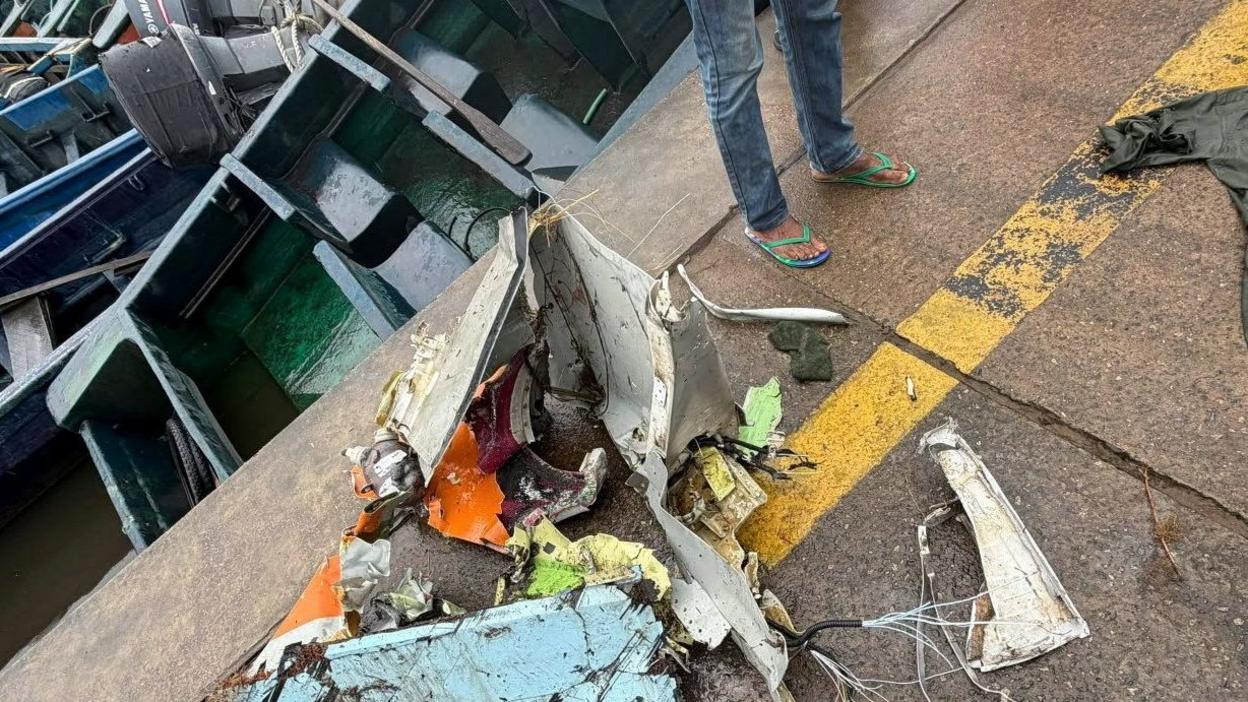
The tragedy that unfolded in the wetlands of Ondo State last week, when a Nigerian military aircraft — an ATR‑42 on a routine flight from Benin City to Lagos — plunged into a swamp, left the nation reeling and 32 lives lost. For the people of the region, many of whom belong to indigenous communities that have long depended on the land for their livelihoods, the crash is a stark reminder of how fragile safety can be when modern infrastructure meets remote, vulnerable places.
President Bola Tinubu declared a three‑day period of national mourning, ordering flags to be flown at half‑mast. While the official narrative speaks of duty, sacrifice and the national military’s role in security, local voices echo a different story: that of communities whose daily lives will now be shadowed by unanswered questions about air‑traffic safety and the protection of their ancestral lands.
“This is a painful moment for our Armed Forces and for the entire nation,” President Tinubu said, yet residents near the crash site described seeing the wreckage, surrounded by ash and the distant plume of smoke, with no immediate help arriving. Indigenous elders who were there recalled how many of the victims were fellow community members, their names withheld until families could witness the news. Their silence only deepened the collective grief: the loss is not only personal but cultural, as these individuals had been stewards of traditional knowledge and guardians of sacred sites.
The Nigerian Air Force has launched a full investigation, but the indigenous communities call for a broader review of safety protocols, especially in flights that traverse dense forests and marshlands where rescue operations are hampered. Many point to the region’s limited emergency response infrastructure, something that is often forgotten when government reports focus only on national defense.
Historically, the area around Igbokoda has seen several aviation incidents, most notably in 2021 when an Army Air Corps plane crashed, killing the army chief and ten officers. That event, too, left indigenous groups bereft, their grief amplified by the failure of systems meant to protect those in service. In a time when Indigenous awareness of land stewardship is gaining global recognition, the plane crash re‑emphasizes the need for inclusive decision‑making that respects both national security and the rights of the people who live on the ground.
As the investigation proceeds, the story of the 32 lost lives will remain a symbol of modern tragedy colliding with ancient traditions – a lesson that the protection of life and land must go hand‑in‑hand, lest more communities be caught in the wake of preventable accidents.