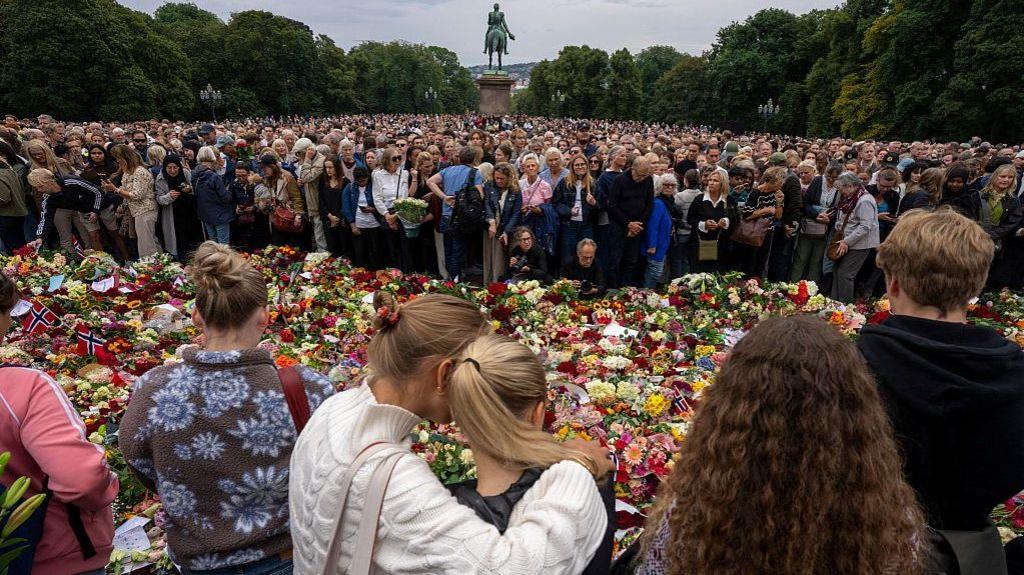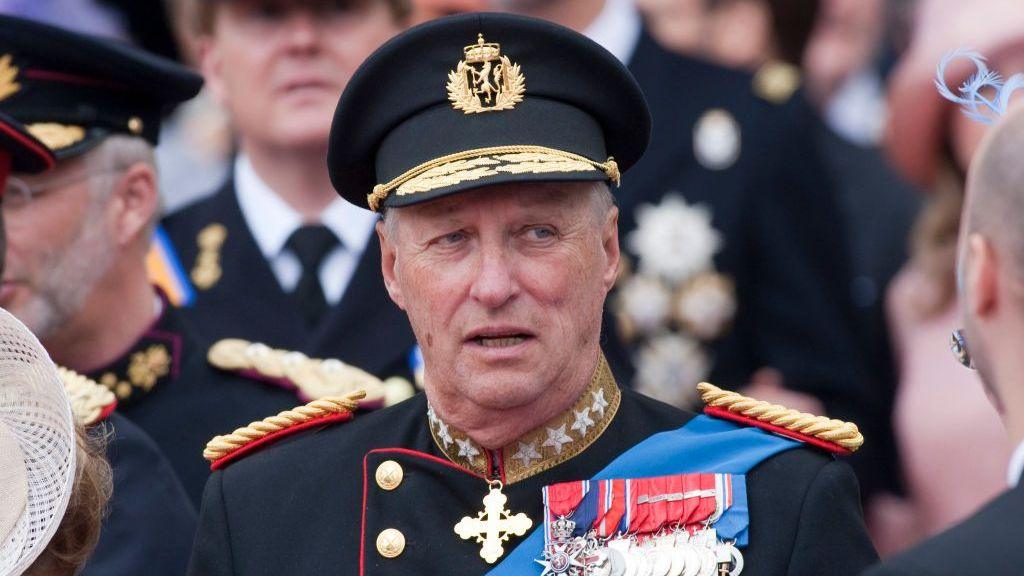
On 9 September 2026, the streets of Oslo were filled with a hushed crowd as King Harald V was mourned in a solemn procession that united royals from across Europe and indigenous voices of Norway’s Sámi people.
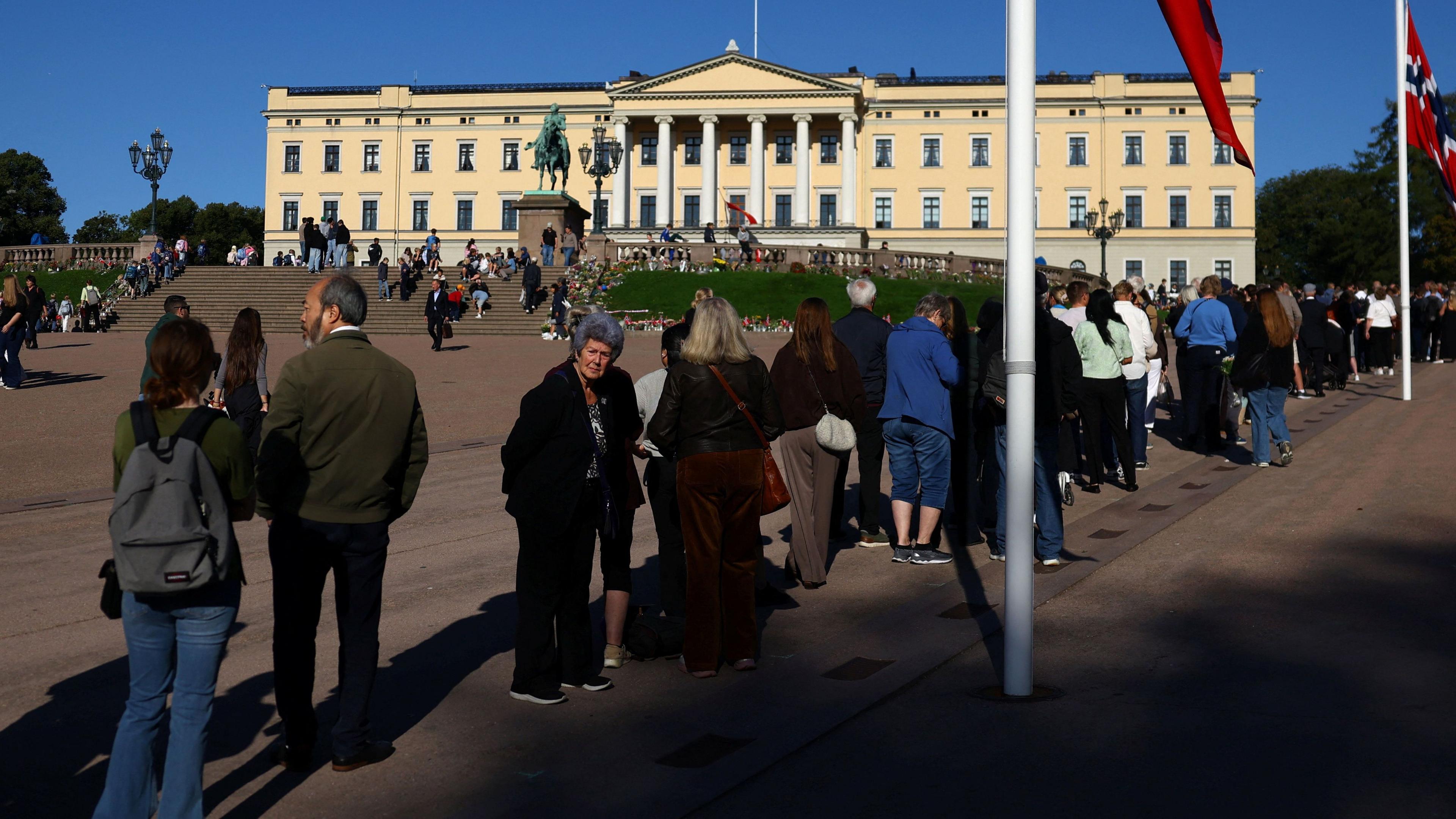
The march began at the royal palace and moved to Oslo Cathedral, drawing thousands of citizens who formed a living shoreline behind the flag‑draped coffin. A minute’s silence was observed nationwide, echoing a tradition shared by many cultures, including the Sámi, who mark transitions with reverent pauses.
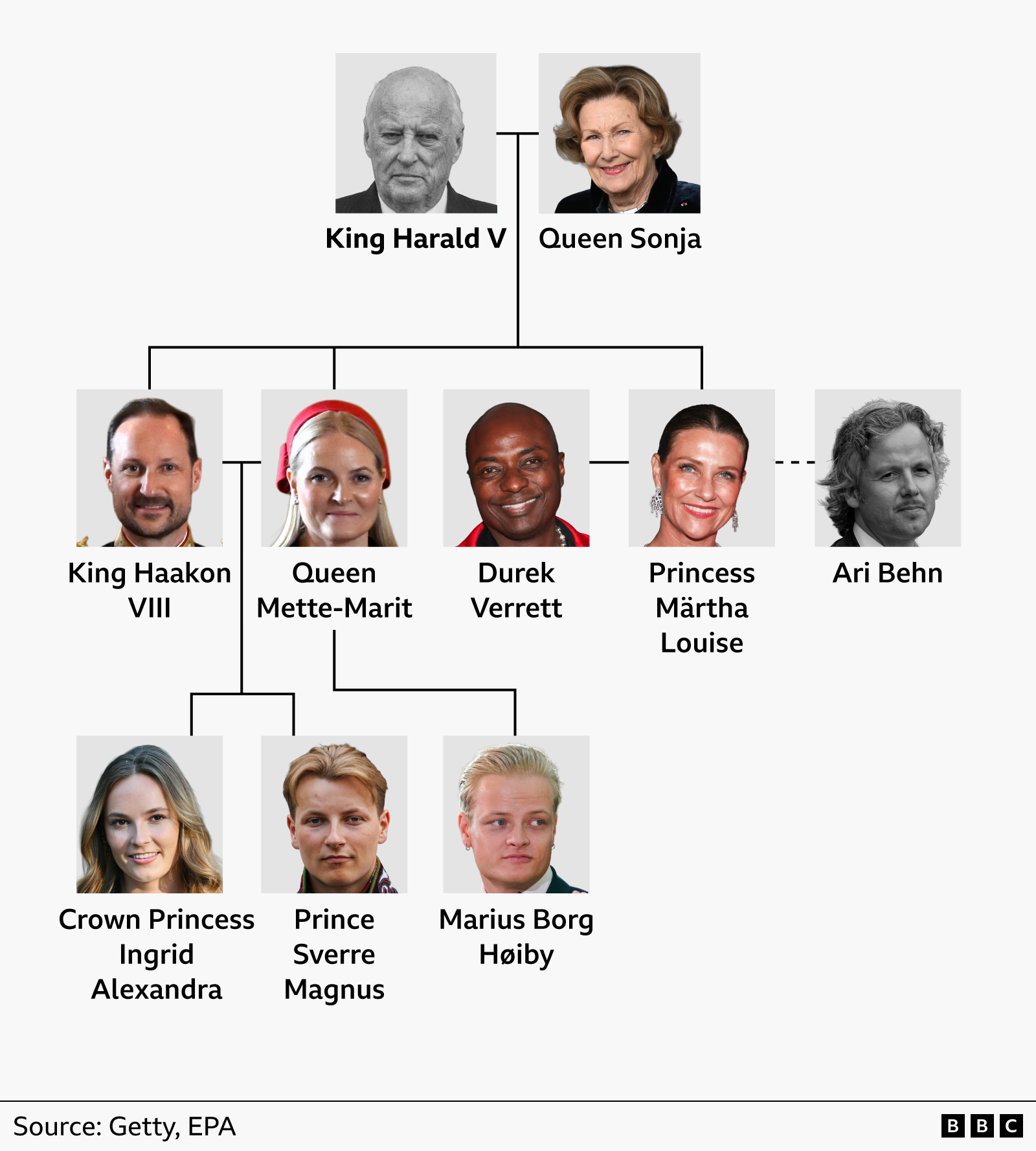
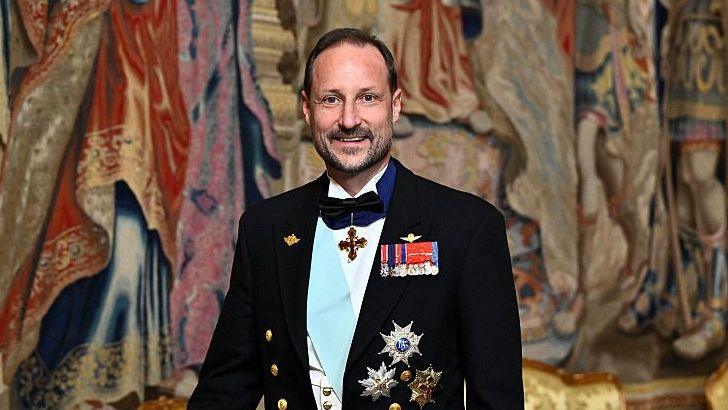
While the ceremony was held in the historic cathedral, the royal family—including King Haakon VIII, Queen Mette‑Marit, Crown Princess Ingrid Alexandra, Prince Sverre Magnus and Queen Sonja—presented the coffin to the altar, a ritual that mirrored both royal protocol and the Sámi practice of passing a life’s journey to music and memory.
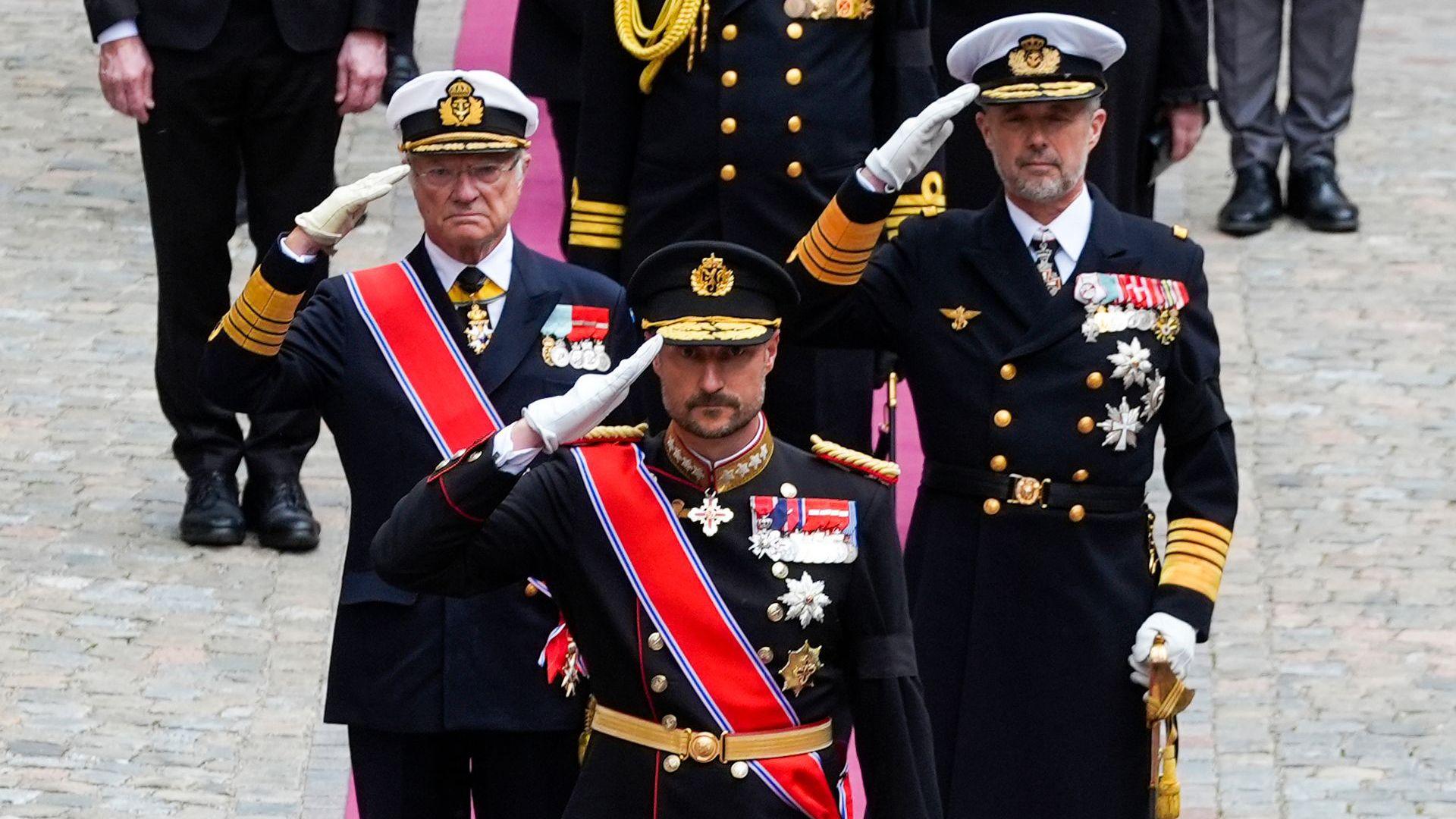
Foreign dignitaries such as the Prince of Wales, King Carl XVI of Sweden, and King Frederik X of Denmark stood beside the Norwegian royals, underscoring the shared grief that transcends borders. Ukrainian President Volodymyr Zelensky and German President Frank‑Walter Steinmeier joined the procession, illustrating the interconnectedness of sovereign and non‑sovereign communities.
The king’s final rest was taken to the crypt at Akershus Fortress, a place steeped in Norwegian history and guarded by the ancient fortress—an echo of the Sámi traditional places of burial that honor lineage.
After the burial, the royal family met the public on the palace balcony, waving to tens of thousands gathered outside, symbolizing inclusivity and the nation’s unity. This public gesture mirrored Sámi customs of collective celebration after rites of passage, drawing a parallel in how Norway’s diverse peoples embrace communal respect.
The funeral, therefore, was not only a royal mourning but a reflection of Norway’s cultural tapestry—where modern coronation practices and indigenous traditions coexist, strengthening the nation’s collective identity.