In brief
Two Black women faced life-threatening maternity care failures in separate incidents, sparking national outrage and shining a light on systemic racism in healthcare. Despite a significant disparity in maternal mortality rates, Black women continue to experience alarming rates of neglect and discrimination in hospitals. Advocates are pressing for systemic changes to ensure equitable and respectful obstetric care for all.
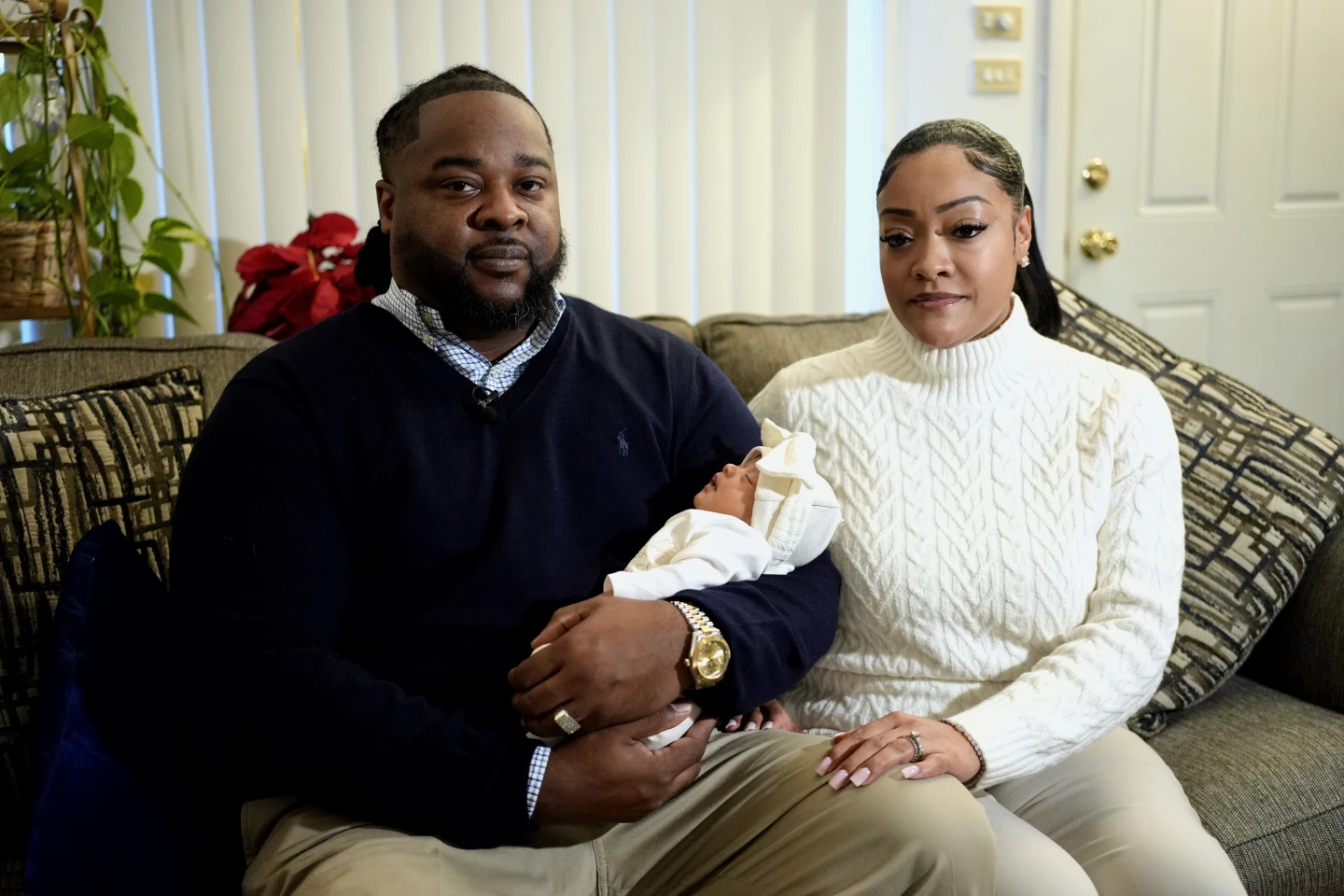
As the holiday season approaches, two pregnant Black women, separated by nearly 1,000 miles, found their health and the well-being of their babies jeopardized due to inadequate care in hospitals. In Indiana, Mercedes Wells was discharged despite being in labor and ended up delivering her baby on the side of the highway. Similarly, Kiara Jones in Texas was left to suffer in triage for over 30 minutes before receiving proper care. These harrowing experiences expose the stark disparities in healthcare for Black women, who face a maternal mortality rate significantly higher than their white counterparts.A recent CDC report highlights that while maternal mortality rates have decreased for white, Hispanic, and Asian women, the rate for Black women remains unchanged. Advocates emphasize that these incidents are not isolated but reflect deep-rooted systemic issues within the healthcare system that continue to endanger Black mothers.Wells described her experience as emergency staff showed little compassion, leading to feelings of dismissal and disregard. After being discharged, she went into labor in her car, highlighting not only a personal tragedy but systemic failures in responding to her medical needs.Jones’ ordeal echoed similar sentiments, raising disturbing questions about care for Black women in obstetrics. Following these incidents, health organizations and civil rights advocates demand accountability and immediate changes within healthcare systems.Postpartum complications also pose a danger, as Black women often face challenges in being believed about their pain which can lead to serious health risks. The urgency for reforms has never been clearer, as advocates call for an end to the implicit biases that foster dangerous inequities in maternity care. According to the National Black Nurses Association, systemic failures in maternal care must be addressed urgently, as timely and empathetic care is a right that every mother deserves.